Get your free personalized podcast brief
We scan new podcasts and send you the top 5 insights daily.
In warfare, claiming a deceased or incapacitated individual is the new leader can be a brilliant strategic move. It stymies the enemy, who has no one to target, while allowing a hidden group to issue directives under the guise of the dead leader's authority.

Related Insights
During a major crisis, a leader cannot rely on team consensus because everyone is still aligned with the old, now-invalid strategy. The CEO must dictate the new direction and be willing to be inconsistent to reset the organization quickly.

While Mojtaba Khamenei is now supreme leader, his actual control is questionable. Iran is navigating a wartime transition with leaders in hiding, allowing factions like the Revolutionary Guard to vie for influence and pull the strings, suggesting a period of fragmented authority.
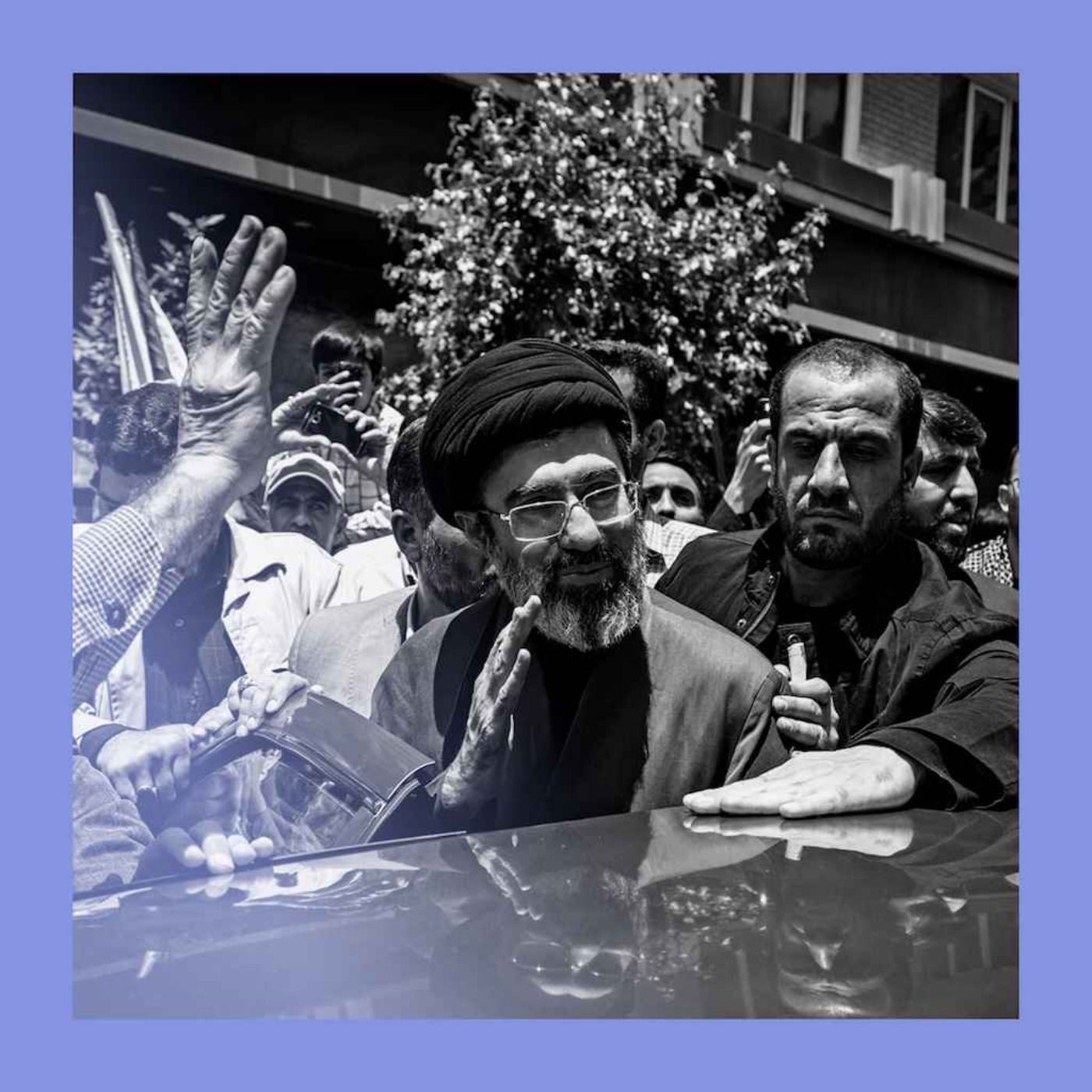
Targeting a regime's leader, assuming it will cause collapse, is a fallacy. Resilient, adaptive regimes often replace the fallen leader with a more aggressive individual who is incentivized to lash back simply to establish their own credibility and power.

Historically, figures like Hitler were initially dismissed as buffoons. This perceived lack of seriousness is a strategic tactic, not a flaw. It disarms civil opponents who can't operate in that space, captures constant media attention, and causes observers to fatally underestimate the true threat. The defense to "take him seriously, not literally" is a modern manifestation of this pattern.
In mass movements and wars of attrition, having a charismatic leader is less critical than having a clearly defined enemy. As long as a figure like "the West" or the U.S. can be framed as the devil, the movement can sustain itself, even without a central figurehead to rally around.

Leaders create simplified, emotionally resonant narratives for public consumption that mask the messy, complex, and often ugly truths behind their actions. The real "why" is rarely present in the official story.

While a ground invasion is unlikely, a potential US military strategy involves a direct assassination attempt on Iran's Supreme Leader, Ayatollah Khamenei. This high-risk decapitation strike aims to destabilize the regime's core, but the effect on the cohesion of its security forces is completely unpredictable.

Unlike 20th-century bombing campaigns, modern precision-strike capabilities allow for targeting a country's entire leadership from a distance. This strategy, lacking a plan for subsequent governance, represents a largely untested and rare event in military history.

After executing Inca emperor Atahualpa, the Spanish installed his brother as a puppet ruler. This co-opted the existing power structure, making the conquest seem like a restoration of the natural order to local chiefs and smoothing the transition of power.

Effective political propaganda isn't about outright lies; it's about controlling the frame of reference. By providing a simple, powerful lens through which to view a complex situation, leaders can dictate the terms of the debate and trap audiences within their desired narrative, limiting alternative interpretations.
