Get your free personalized podcast brief
We scan new podcasts and send you the top 5 insights daily.
During a major crisis, a leader cannot rely on team consensus because everyone is still aligned with the old, now-invalid strategy. The CEO must dictate the new direction and be willing to be inconsistent to reset the organization quickly.

Related Insights
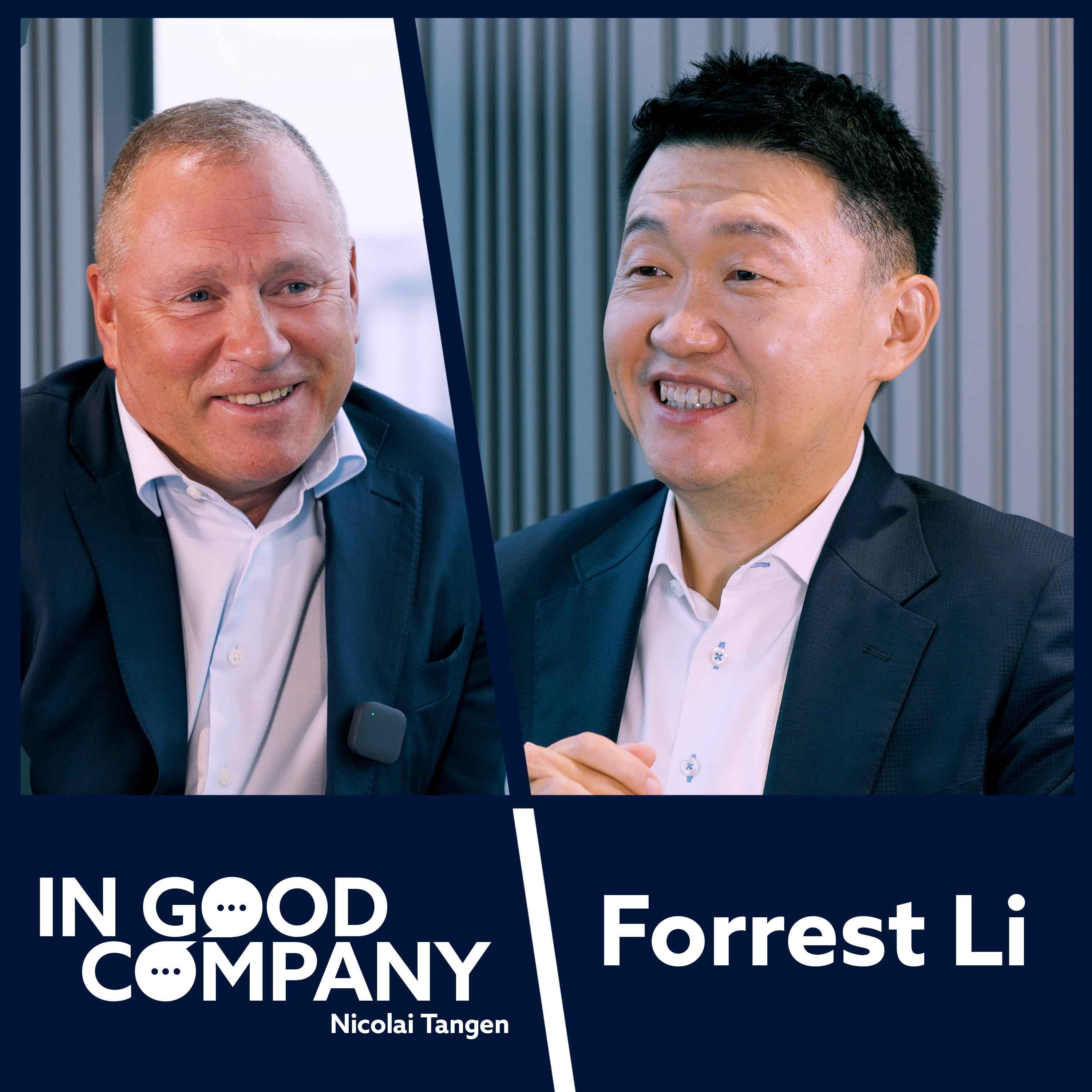
A core tenet of Forrest Li's leadership is that leaders must personally own and execute the most difficult decisions, like freezing salaries. He argues that pleasant and popular tasks should be delegated, while the leader's ultimate responsibility is to show up in difficult times and make the unpopular-but-necessary calls.
In a turnaround, a leader's most critical first step is restructuring their direct reports. McLaren's CEO replaced every key leader—CFO, HR, commercial, etc.—to create a unified group that could then drive cultural change down through their own departments.
For a controversial strategic shift, a co-founder's "moral authority" is invaluable. They can absorb the risk of looking foolish and give up their responsibilities ("Legos") to spearhead a new initiative. This allows them to champion a new direction with a level of credibility that can overcome internal skepticism.

In a crisis, the instinct is to shout louder and match escalating chaos. True leadership involves 'energetic jujitsu': deliberately slowing down and bringing calmness to the situation. This rare skill is more powerful than simply increasing intensity.

The traditional model of being either a wartime or peacetime leader is outdated. In today's volatile environment, leaders must be fluid, adapting their style day-to-day to handle both long-term strategic initiatives (peacetime) and immediate crises like unexpected tariffs (wartime).
If a decision has universal agreement, a leader isn't adding value because the group would have reached that conclusion anyway. True leadership is demonstrated when you make a difficult, unpopular choice that others would not, guiding the organization through necessary but painful steps.

CEO declarations of "war mode" are often ineffective rhetoric. True urgency is felt in "hyperaggressive mode," a rare and unnatural state where the entire management team exhibits palpable tension and increased velocity. It's not about talk; it's a smellable, tangible increase in execution speed across all functions.

Contrary to the popular bottoms-up startup ethos, a top-down approach is crucial for speed in a large organization. It prevents fragmentation that arises from hundreds of teams pursuing separate initiatives, aligning everyone towards unified missions for faster, more coherent progress.

Trump's seemingly chaotic approach is best understood as a CEO's leadership style. He tells his staff what to do rather than asking for opinions, uses disruption as a negotiation tactic, and prioritizes long-term outcomes over short-term public opinion or procedural harmony.

True leadership is revealed not during prosperity but adversity. A “wartime general” absorbs pressure from difficult clients or situations, creating a safe environment for their team. They don't pass down fear, which distinguishes them from “peacetime generals” who only thrive when things are good.
