Get your free personalized podcast brief
We scan new podcasts and send you the top 5 insights daily.
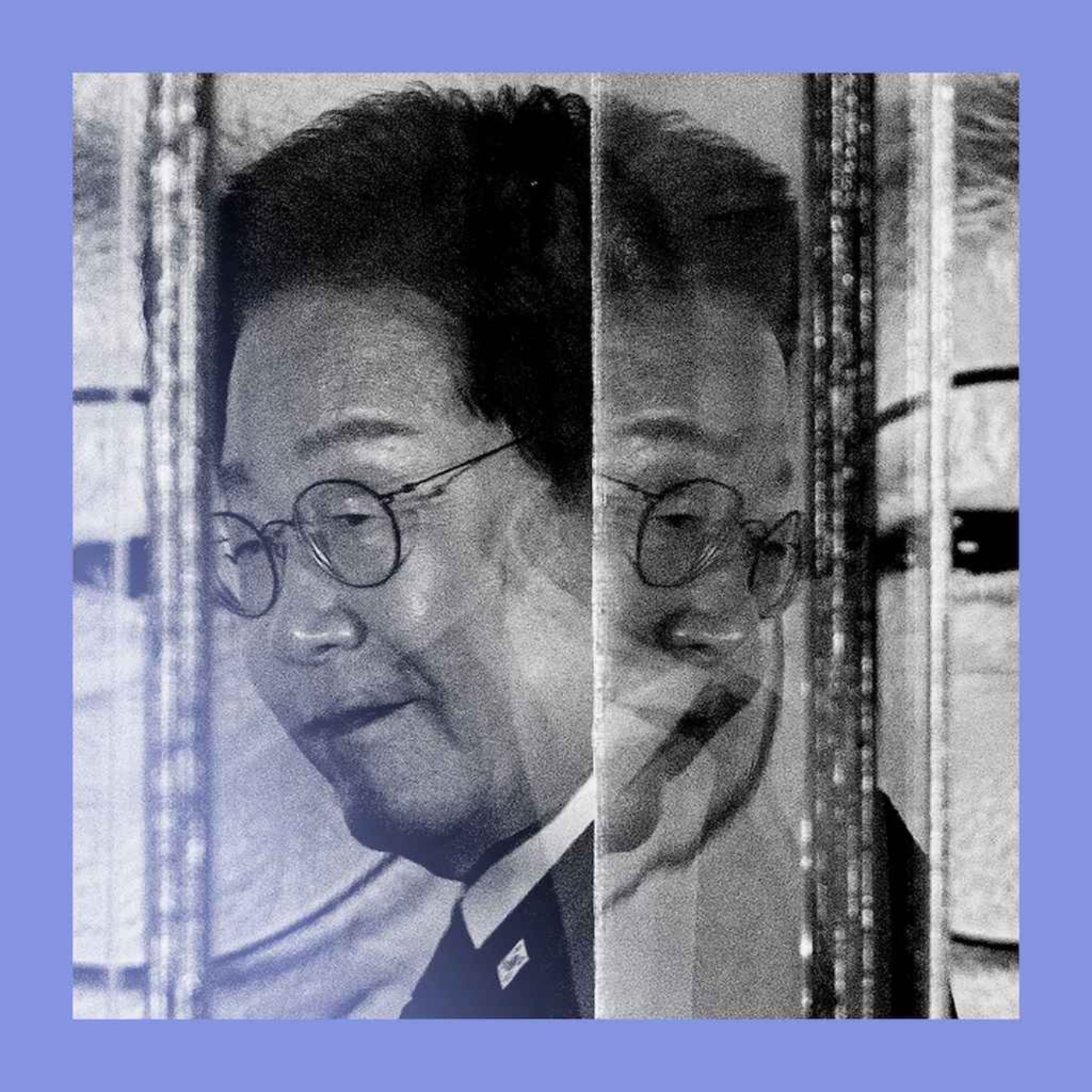
South Korean President Lee Jae Myung skillfully managed Donald Trump by offering increased defense spending and US investment. In return, he secured Trump's blessing for South Korea to develop its own nuclear-powered submarines and the capacity to enrich nuclear fuel, achieving long-term strategic goals that grant the nation greater military autonomy.
Related Insights
Beyond the short-term political calculus of avoiding an unpopular war, President Trump's motivation for a deal with Iran is deeply rooted in legacy-building. He seeks to be the president who fundamentally reshapes the US-Iran relationship, a historic diplomatic achievement that provides a powerful personal incentive for resolution.

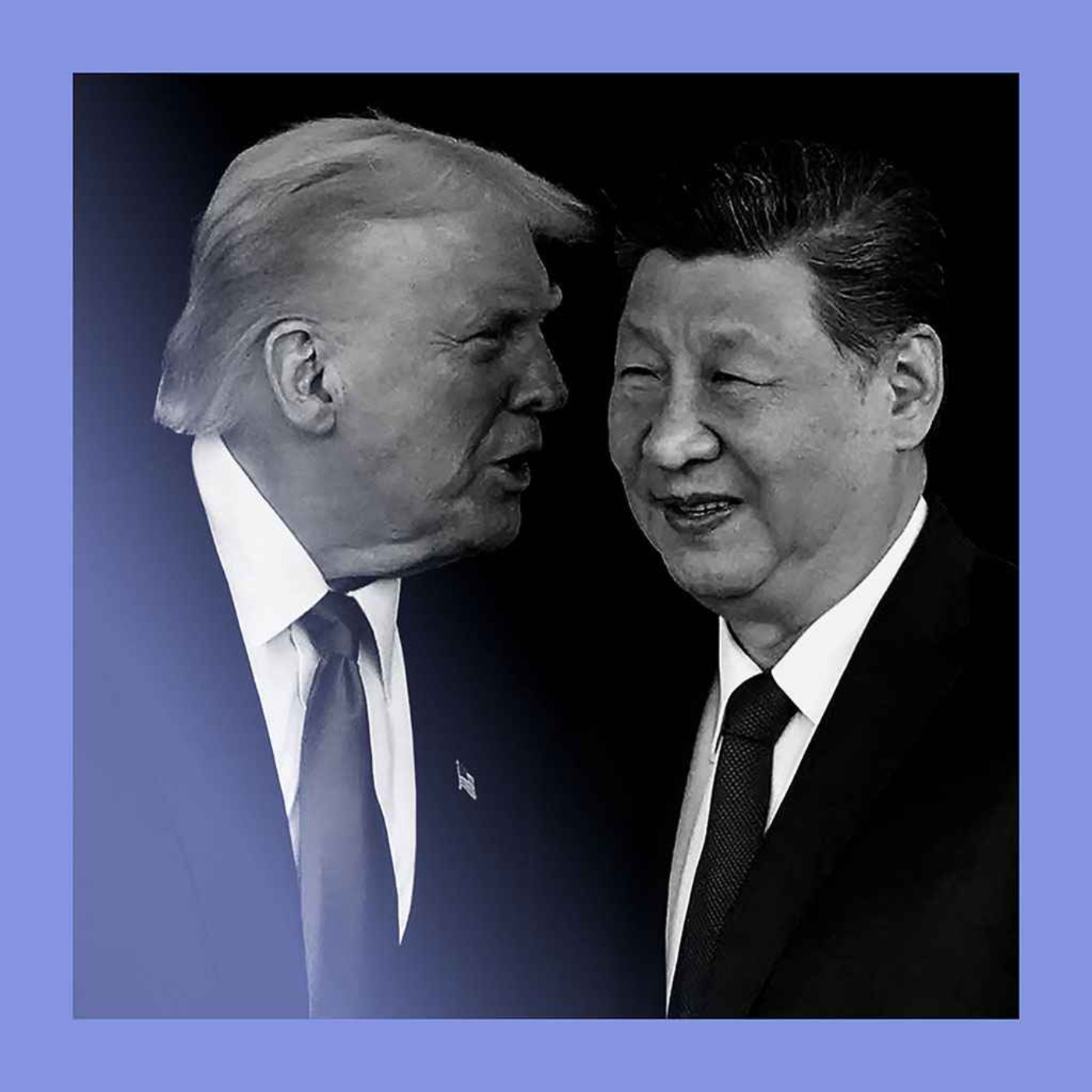
Given President Trump's transactional nature and disinterest in Taiwan, it is argued that Chinese President Xi Jinping would be derelict not to offer him a massive personal financial incentive in exchange for abandoning America's security commitment to the island. This presents a non-military path for Chinese influence.

Unlike Europeans who have NATO and native nuclear powers as a potential fallback, major Asian allies like Japan and South Korea feel they have no viable alternative to the U.S. security guarantee. This perceived lack of options forces them into a strategy of accommodation and appeasement toward a transactional Trump administration, hoping to simply endure the term.

While publicly announcing a trade truce with China, the Trump administration simultaneously signed deals with other Asian nations to diversify supply chains and bolster defense partnerships, effectively preparing for future confrontation with Beijing.
With major world powers like the US distracted by conflicts in Europe and the Middle East, North Korea has an unprecedented opportunity. It can leverage its military threat against Seoul to extort economic and political concessions without fear of significant international reprisal.

President Lee Jae Myung's high approval ratings are heavily reliant on the booming South Korean stock market, which has nearly tripled in the past year. This surge is fueled by global demand for AI memory chips produced by Korean companies. His political fortune is now tied to the volatile global AI investment cycle.
Instead of fearing Trump's unpredictability, foreign leaders can manipulate it. By appealing to his desire for a 'peace through strength' legacy and his need to showcase American power, a country like Mexico could secure significant military and economic aid by framing it as a clear win for him.

China's dominance in rare earth and critical mineral supplies, which are vital for US weapons and tech manufacturing, gave President Xi a strategic advantage over President Trump in their recent summit. This economic chokehold shifted the traditional power dynamic between the two nations.
By bringing top CEOs like Elon Musk and Tim Cook to China, Trump employed "dollar diplomacy" to show economic respect and acknowledge China as a peer, a crucial tactic for negotiating with leaders like Xi Jinping.

Facing a potential US pullback and rising Chinese aggression, Japan's leadership is reportedly questioning its long-held "three non-nuclear principles." This signals a major strategic shift, potentially aiming to allow US nuclear vessels in its ports to establish a credible, independent deterrent against China.