Get your free personalized podcast brief
We scan new podcasts and send you the top 5 insights daily.
A viable nuclear deal with Iran exists, structurally similar to the JCPOA. The primary barrier is not substance, but a clash of styles. Trump needs to publicly "win" and show he made Iran concede, while Iran's leadership culture cannot accept any deal that smacks of public surrender.

Related Insights
Beyond the short-term political calculus of avoiding an unpopular war, President Trump's motivation for a deal with Iran is deeply rooted in legacy-building. He seeks to be the president who fundamentally reshapes the US-Iran relationship, a historic diplomatic achievement that provides a powerful personal incentive for resolution.
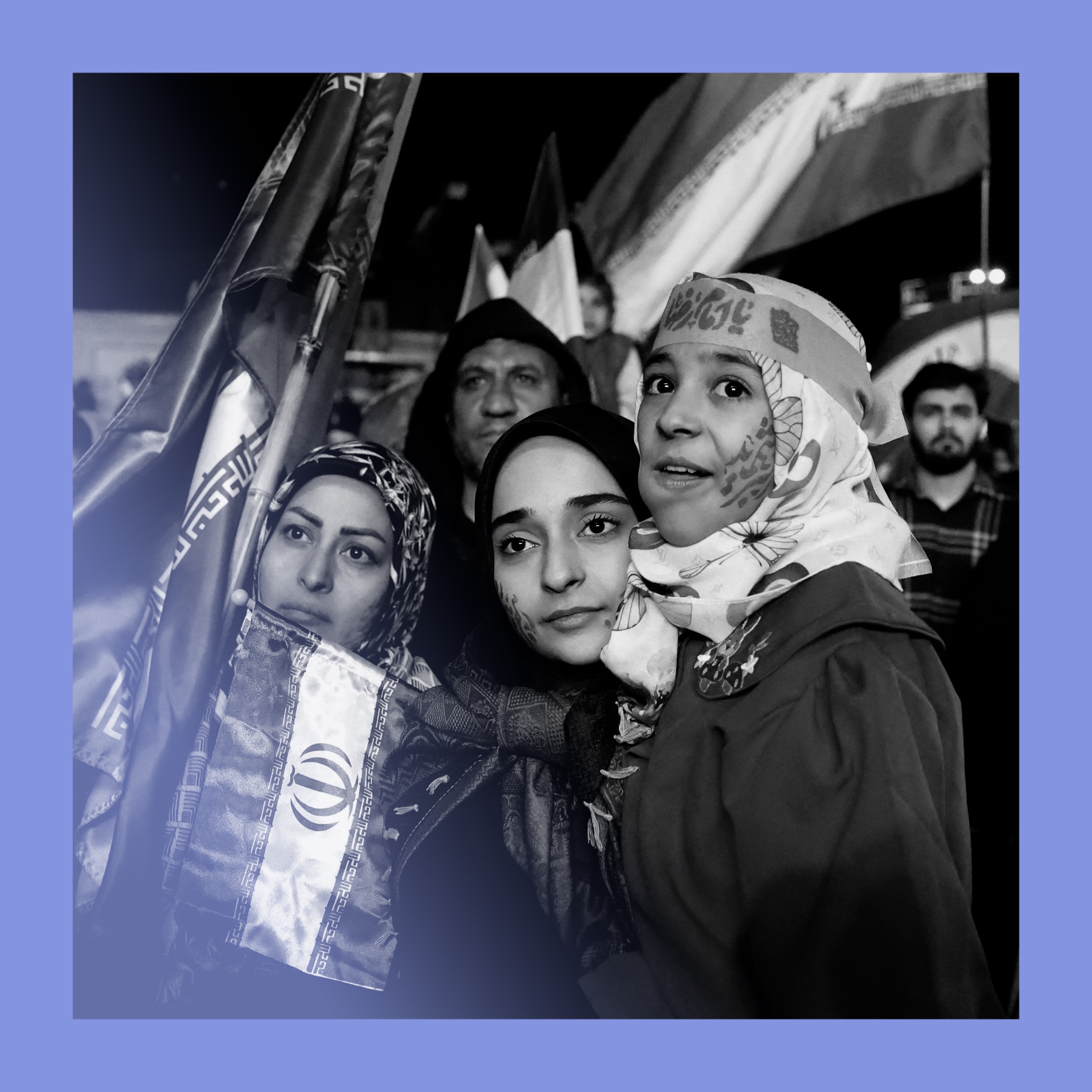
The seemingly "Trumpiest" option of unilaterally declaring victory and withdrawing is highly risky. Iran could simply continue its hostile actions, such as keeping the Strait of Hormuz closed. This would immediately expose the "victory" as a sham, turning a political win into a major international humiliation for the president.
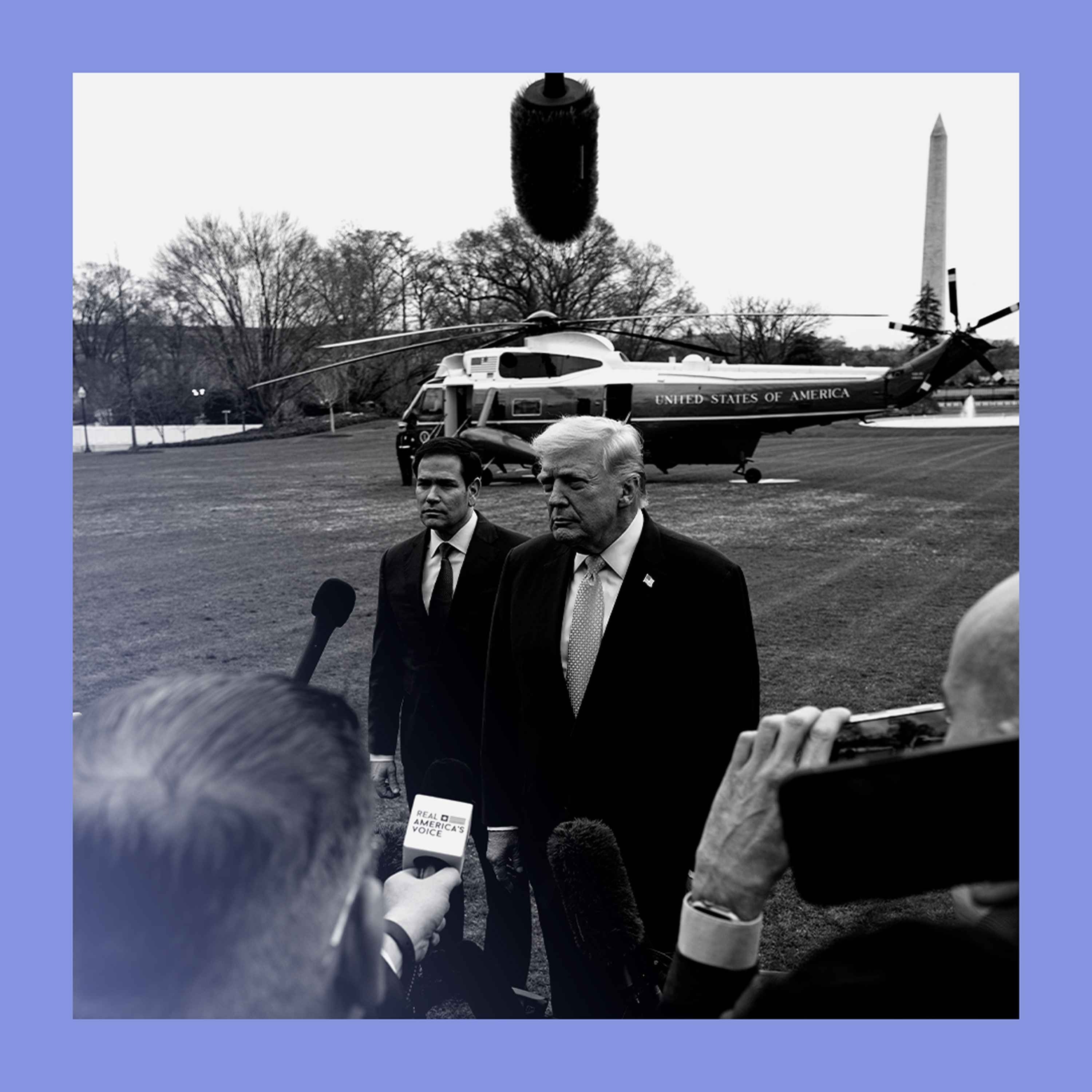
Engaging only with formal Iranian negotiators while ignoring hardliner factions like the Islamic Revolutionary Guard Corps (IRGC) leads to failed diplomacy. The IRGC is the true power center in Iran, and any agreement made without their buy-in is unlikely to be honored or effective, as they control the actual military assets.

The US military buildup against Iran is interpreted not as an inevitable prelude to war, but as a high-stakes 'game of chicken.' The primary goal for President Trump is likely to exert maximum pressure to force Iran into a diplomatic deal with major concessions, making war a secondary, less preferable option.

Leaders often assume that applying pressure will force an opponent to the negotiating table. This strategy can fail when the adversary operates under a different logic or, as with Iran's decentralized military, when there is no single authority left to negotiate with, revealing a critical cognitive bias.

Trump's negotiation strategy, particularly with Iran, involves a massive, visible military presence to create extreme pressure. This 'peace through strength' approach aims to force concessions at the negotiating table by making the alternative—imminent, overwhelming force—undeniably clear and credible.

The public threats of a military strike against Iran may be a high-stakes negotiating tactic, consistent with Trump's style of creating chaos before seeking a deal. The goal is likely not war, which would be politically damaging, but to force Iran into economic concessions or a new agreement on US terms.

The temporary US-Iran ceasefire is fundamentally fragile because the core demands are mutually exclusive. Iran insists on its right to enrich uranium, while the US demands it swears off enrichment entirely. This core conflict makes a permanent deal highly improbable, regardless of short-term de-escalation.
Other US adversaries successfully appealed directly to President Trump's personalized style of diplomacy. Iran, by consistently refusing to meet with him, committed a strategic error that closed off a viable path to de-escalation and ultimately doomed the negotiation process from succeeding.
The Trump administration's stated goals for a new deal, including a commitment from Iran not to develop nuclear weapons and allowing inspections, are identical to the provisions of the JCPOA. This makes the current conflict an absurdly ironic path to potentially achieving a slightly different version of the agreement Trump dismantled.