Get your free personalized podcast brief
We scan new podcasts and send you the top 5 insights daily.
Young attributes his long-standing partnership with Rich Lawson to their complementary 'yin and yang' skills; one's strengths cover the other's weaknesses. This dynamic, fortified by trust built through shared crises, creates a more resilient collaboration than one based on overlapping expertise.

Related Insights
Horowitz frames his 30-year partnership with Andreessen using a music analogy. Andreessen is the generational 'star talent' (Michael Jackson), while Horowitz is the producer (Quincy Jones) who creates the environment, team, and structure to maximize that talent. This highlights a powerful model for complementary co-founder relationships.

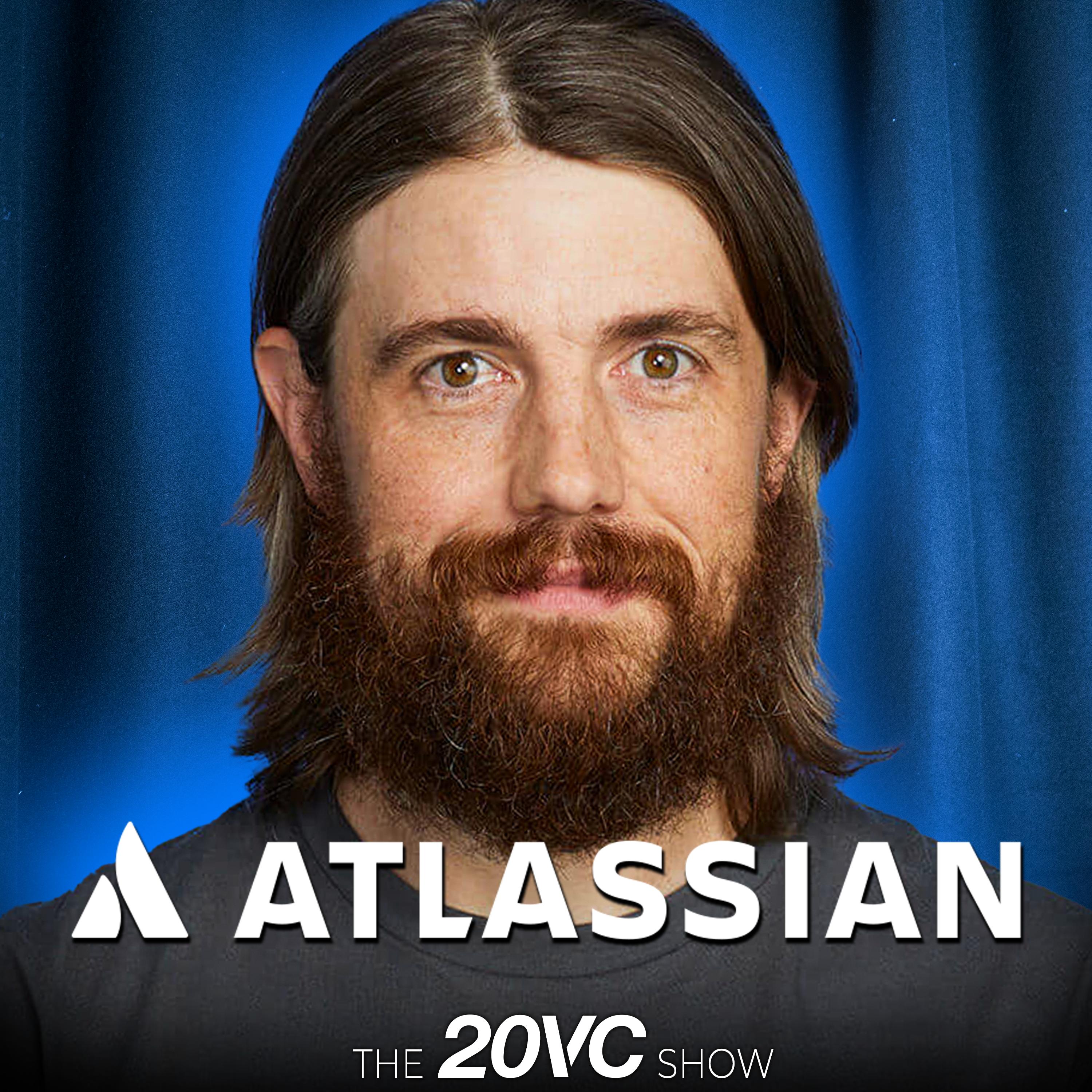
Mike Cannon-Brookes attributes his successful co-CEO partnership to having similar life stages (marriage, kids) and each believing the other was "out of their league." This created a balanced, high-performance dynamic that went beyond just complementary skills.
Architecture giant Gensler implements a co-leadership model not just at the CEO level but throughout the firm. This structure thrives by pairing leaders with complementary skills ("aces and spaces") and is built on a foundation of deep trust, allowing partners to defer to one another's judgment in disagreements.

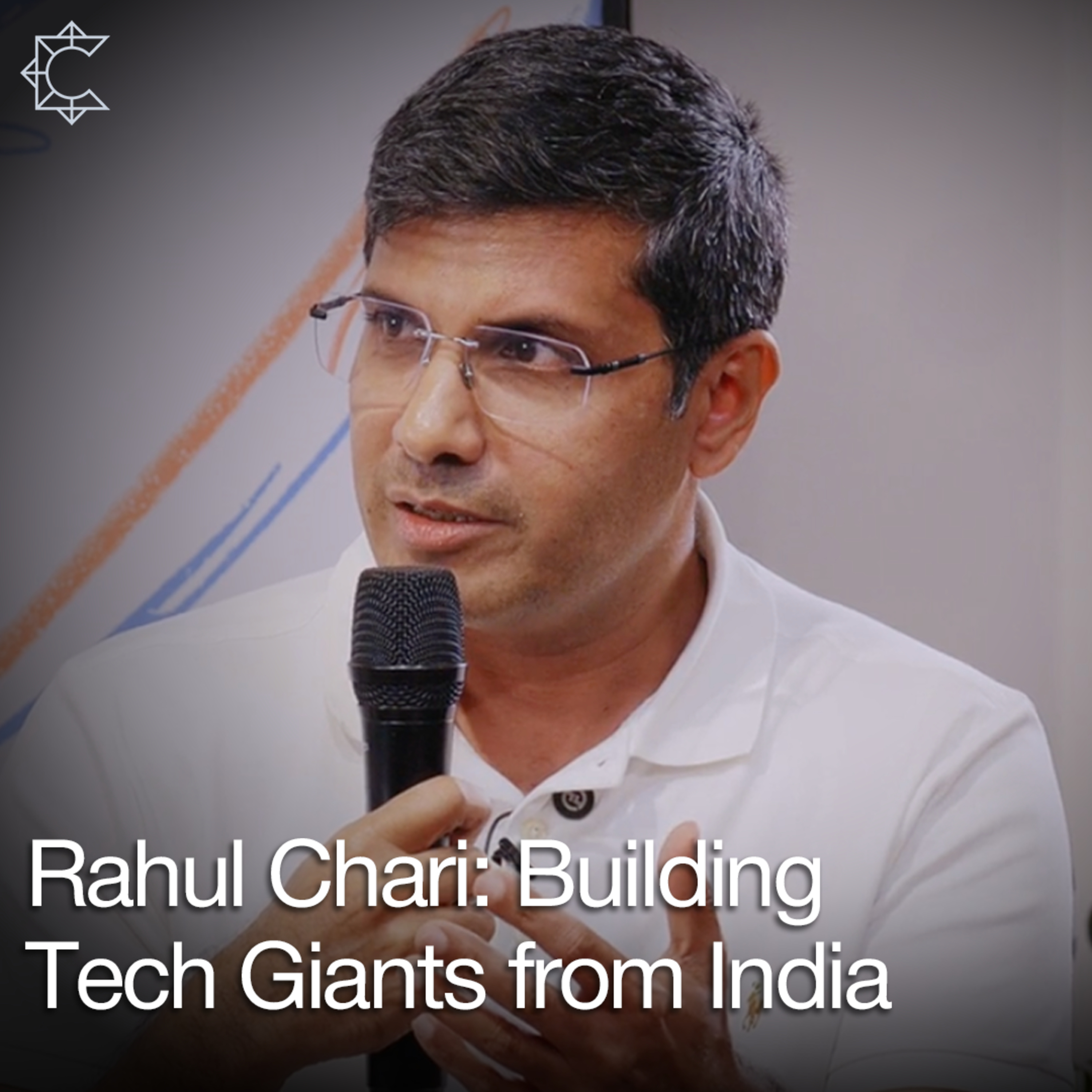
The long-standing relationship between PhonePe's co-founders, built on deep trust, allows them to be interchangeable in their roles. This enables one to step back during difficult periods while the other steps in, ensuring resilience through crises.
Many viable products fail not because they are bad, but because the introverted creator cannot sell or network. The solution isn't to change their personality but to find a co-founder who excels at sales, fundraising, and client relations, creating an essential alchemy of talent.

The greatest friction for co-founder couples arises when they operate in the same domain, such as parenting or co-writing a book. In business, they thrived by establishing clear, non-overlapping responsibilities (e.g., operations vs. sales), which prevented micromanagement and conflict. This specialization is key to their partnership's success.

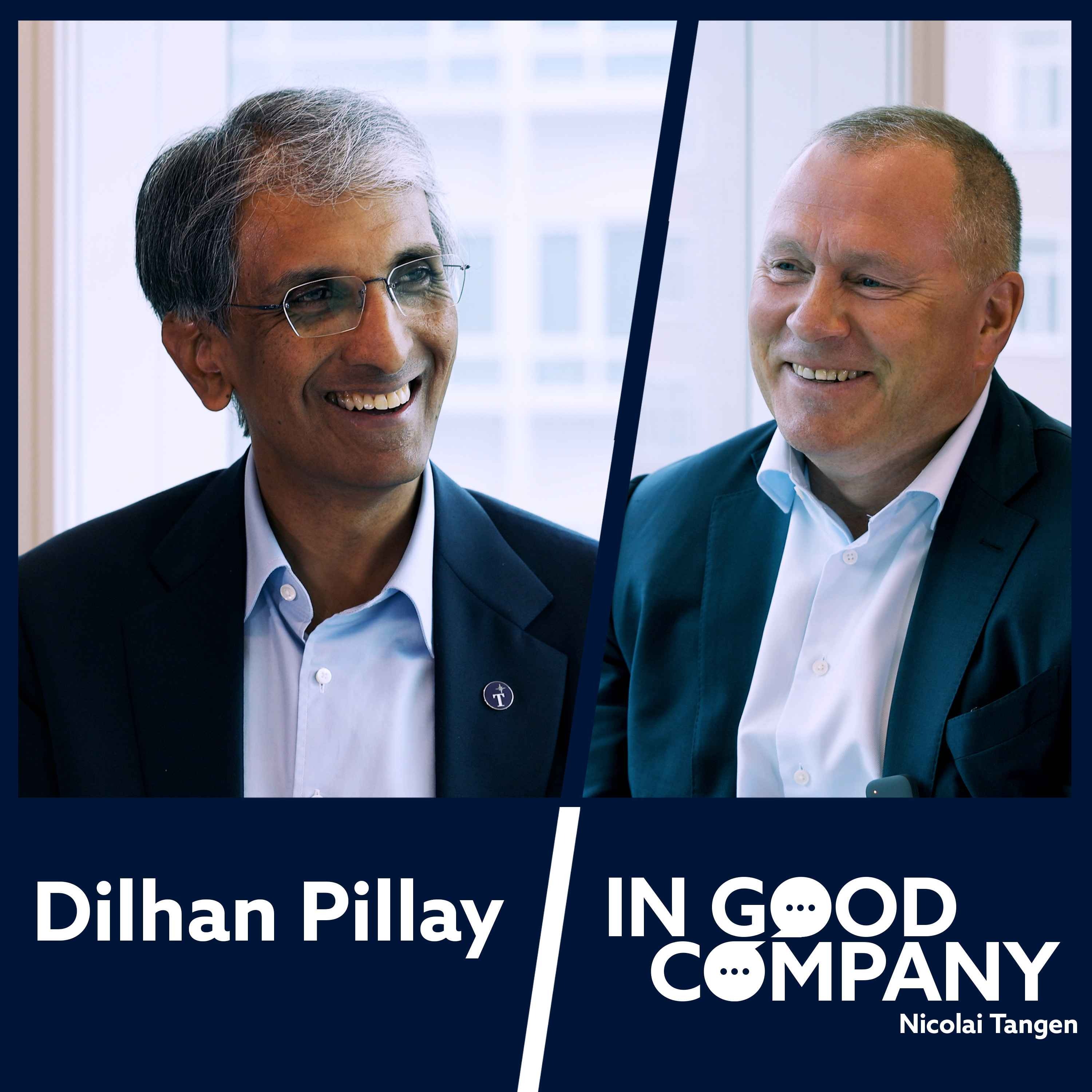
Temasek's partnership philosophy is not about risk diversification. Instead, it prioritizes collaborating with partners who can augment its internal capabilities and provide specific skill sets it lacks for a given opportunity. This makes partnership a strategic tool for capability building, not just capital sharing.
Lux Capital's founding success is attributed to the yin-yang dynamic between its co-founders: one an optimist who invents the "airplane" by seeing the best in outcomes, the other a cynic who invents the "parachute" by mitigating risk.
![[REPLAY] Josh Wolfe – Seeing the Lux (Capital Allocators, EP.65) thumbnail](https://static.libsyn.com/p/assets/f/b/7/6/fb76e1c8bfb69e8dd959afa2a1bf1c87/CA_Square_logo_light_background_6.26.24.jpg)
A key advantage for couples in business is when their skill sets are complementary. This natural synergy allows them to "share the load" effectively by splitting responsibilities according to their innate talents, helping the business go "further faster" than a single owner could.

While complementary strengths are valuable, it's critical for partners to identify skills they both lack. Recognizing these shared blind spots is key to knowing when to bring in an employee, mentor, or coach to fill the gap, preventing the business from stalling in those areas.