Get your free personalized podcast brief
We scan new podcasts and send you the top 5 insights daily.
Lux Capital's founding success is attributed to the yin-yang dynamic between its co-founders: one an optimist who invents the "airplane" by seeing the best in outcomes, the other a cynic who invents the "parachute" by mitigating risk.
![[REPLAY] Josh Wolfe – Seeing the Lux (Capital Allocators, EP.65) thumbnail](https://static.libsyn.com/p/assets/f/b/7/6/fb76e1c8bfb69e8dd959afa2a1bf1c87/CA_Square_logo_light_background_6.26.24.jpg)
Related Insights
Early-stage founders must actively curate their social circles. Friends or family who exhibit 'tall poppy syndrome'—mocking entrepreneurial aspirations or viewing them with cynicism—can be a significant drag. Surrounding yourself with optimistic people who are also 'winning' is crucial for momentum.

Top board member Alfred Lin provides counter-cyclical mentorship. He champions the company during tough times to boost morale and plays devil's advocate during success to prevent complacency. This keeps founders grounded and forces nuanced thinking about trade-offs.
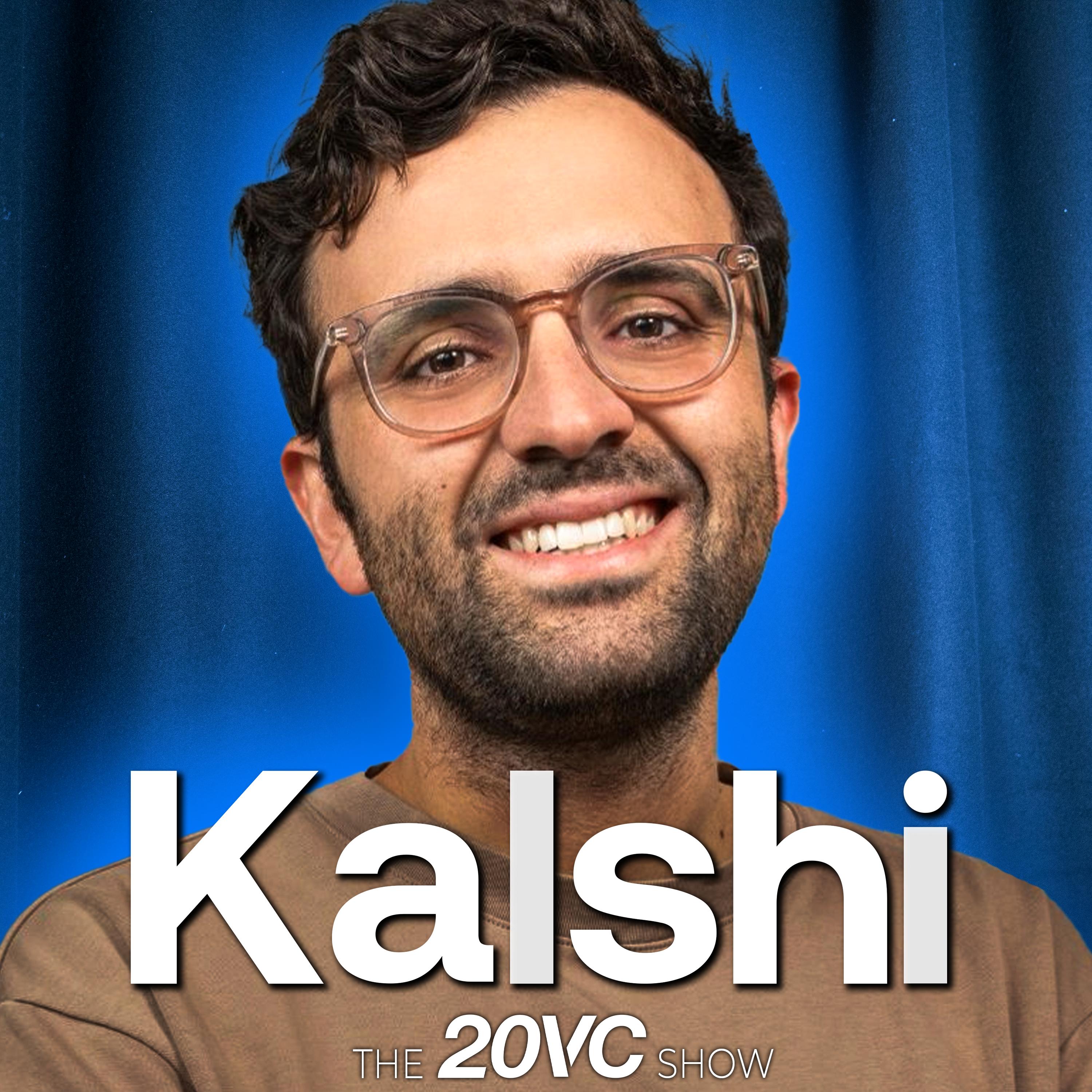
Mike Cannon-Brookes attributes his successful co-CEO partnership to having similar life stages (marriage, kids) and each believing the other was "out of their league." This created a balanced, high-performance dynamic that went beyond just complementary skills.
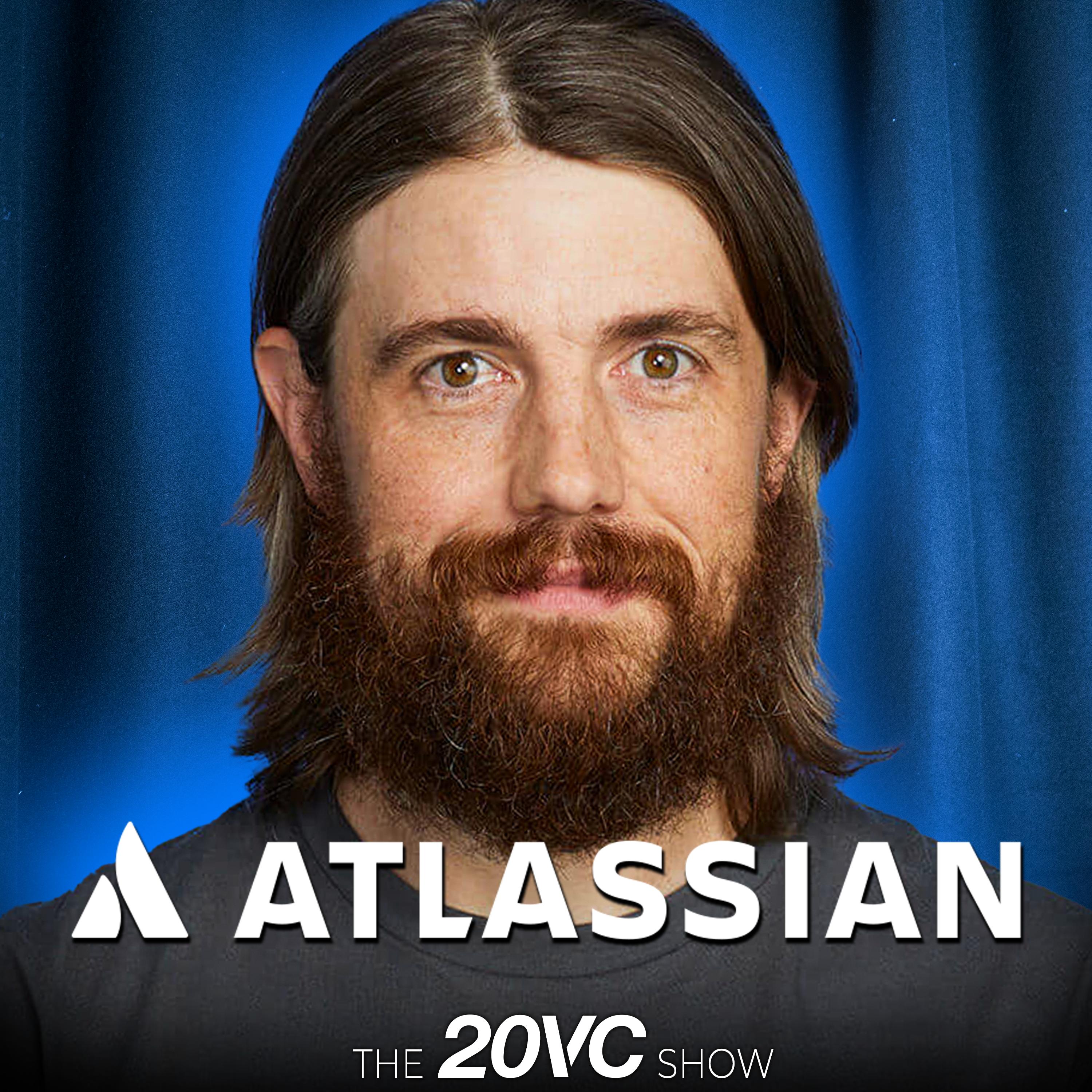
Guy Kawasaki identifies successful founders like Steve Jobs and David Chang as being both "plumbers" (handling the messy, operational details like cleaning up literal shit) and "poets" (driving the grand, artistic vision). Excelling at only one without the other is insufficient for building a remarkable company.

A founder must simultaneously project unwavering confidence to rally teams and investors, while privately remaining open to any evidence that they are completely wrong. This conflicting mindset is essential for navigating the uncertainty of building a startup.

Many viable products fail not because they are bad, but because the introverted creator cannot sell or network. The solution isn't to change their personality but to find a co-founder who excels at sales, fundraising, and client relations, creating an essential alchemy of talent.

Investors naturally develop 'scar tissue' from past failures, leading to increased cynicism that can prevent them from backing ambitious, non-obvious ideas. The best investors intentionally fight this bias by balancing their experience with a 'beginner's mind.' While pure naivete is dangerous, so is excessive cynicism, and finding the intersection between the two is critical for venture success.
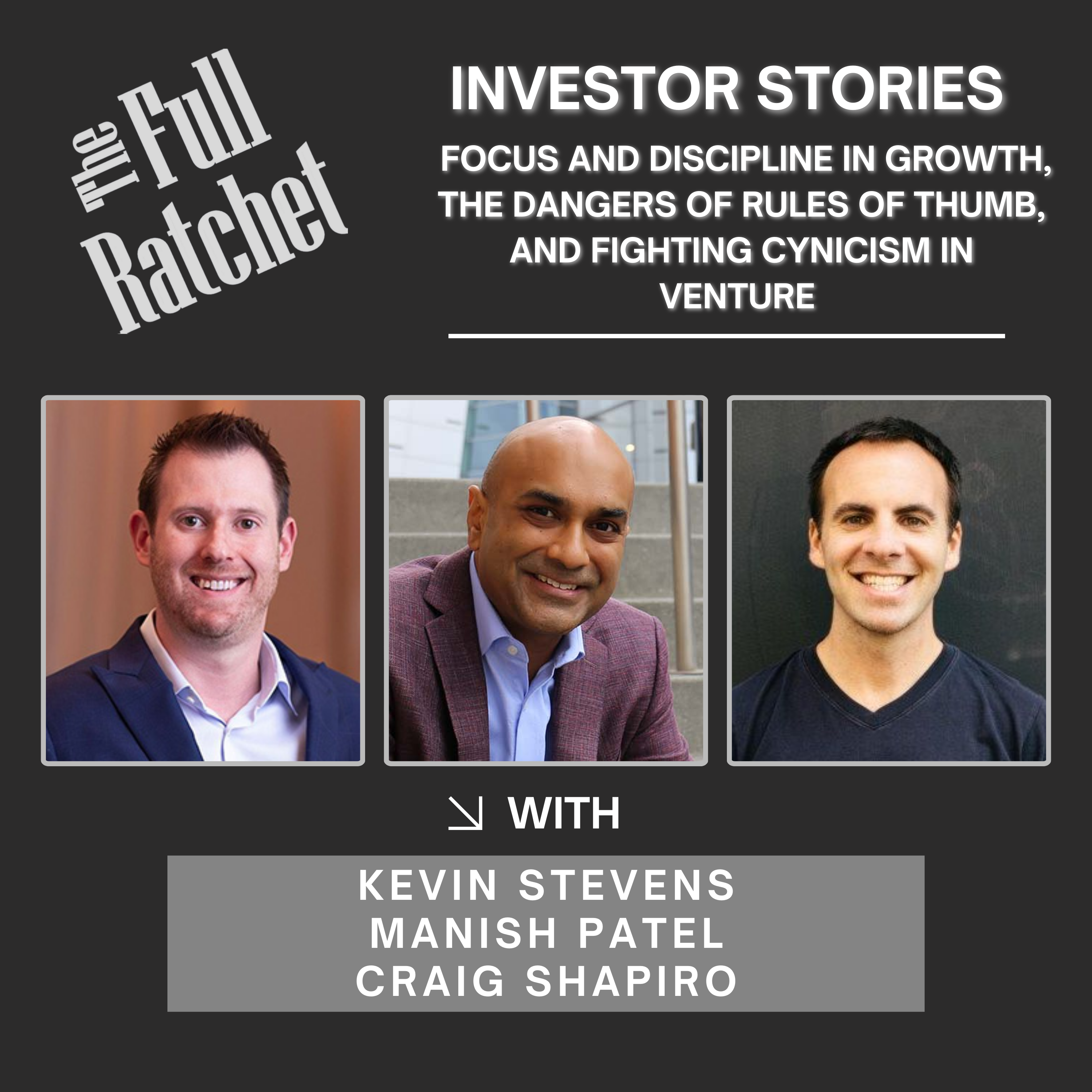
To foster contrarian thinking and prevent groupthink, Lux Capital allows each investment partner one "silver bullet" per fund. This enables a partner with deep conviction to make an investment even without team consensus, mitigating the risk of missing a brilliant, non-obvious opportunity.
The common trope of the risk-loving founder is a myth. A more accurate trait is a high tolerance for ambiguity and the ability to make decisions with incomplete information. This is about managing uncertainty strategically, not consistently making high-stakes bets that endanger the entire enterprise.

A key advantage for couples in business is when their skill sets are complementary. This natural synergy allows them to "share the load" effectively by splitting responsibilities according to their innate talents, helping the business go "further faster" than a single owner could.