Get your free personalized podcast brief
We scan new podcasts and send you the top 5 insights daily.
The Iranian regime consistently treats its economy as a means to an ideological end (e.g., self-sufficiency), not as an end in itself. This explains why Western diplomatic strategies based on economic incentives often fail; the leadership is unwilling to compromise its ideology for popular prosperity.

Related Insights
The risk posed by a nuclear-armed state depends heavily on its governing ideology. A theocratic regime like Iran, motivated by celestial beliefs, is less susceptible to traditional deterrence than a totalitarian regime like North Korea, which is primarily focused on its own survival, making Iran a greater nuclear threat.

The ruling elite has inverted from 80% ideologues at the revolution's start to 80% charlatans today. Expedience and financial gain, not revolutionary zeal, now bind the regime's core. This ideological hollowness makes the regime more brittle than its rhetoric suggests.

Iran's leadership projects regional strength, fostering national pride that makes compromise seem weak. However, this belligerence is a facade for a devastated domestic economy racked by sanctions, corruption, and war. This creates a fundamental tension: while they act tough, their long-term survival necessitates a diplomatic arrangement with the very enemies they confront.
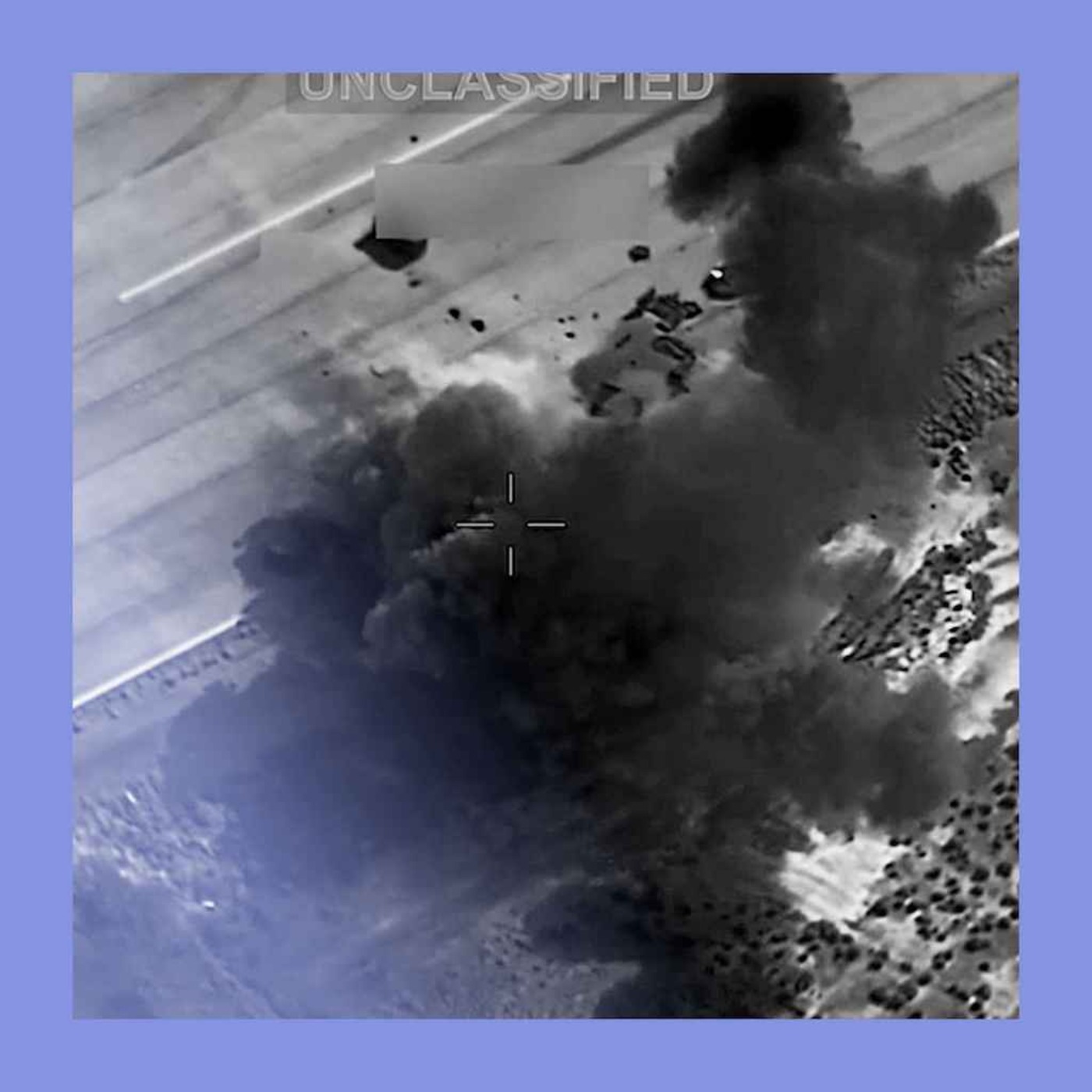
The White House believes a $300B investment fund will incentivize Iran to change its behavior. This assumes economic motivations override deep-seated ideological goals, a common Western miscalculation when dealing with such regimes.

The death of Ayatollah Khamenei has removed a key moderating influence in Iran. The new leadership, euphoric from perceived military successes, is acting impulsively. This reckless system, led by generals, prioritizes projecting strength over the practical necessity of diplomacy to fix a devastated economy, making any negotiated settlement highly unlikely.
The U.S. mistakenly assumes Iran will react rationally to military pressure, as the West would. However, Iran's regime has a different calculus, valuing time and being more willing to let its populace suffer, making stalling tactics highly effective against American political and economic pressures.

Iran's leadership is betting it can withstand economic pressure longer than the US president can tolerate rising gas prices and diplomatic fallout ahead of midterm elections. Having survived past sanctions, Iran believes its autocratic regime has more staying power than an American administration facing voter discontent.
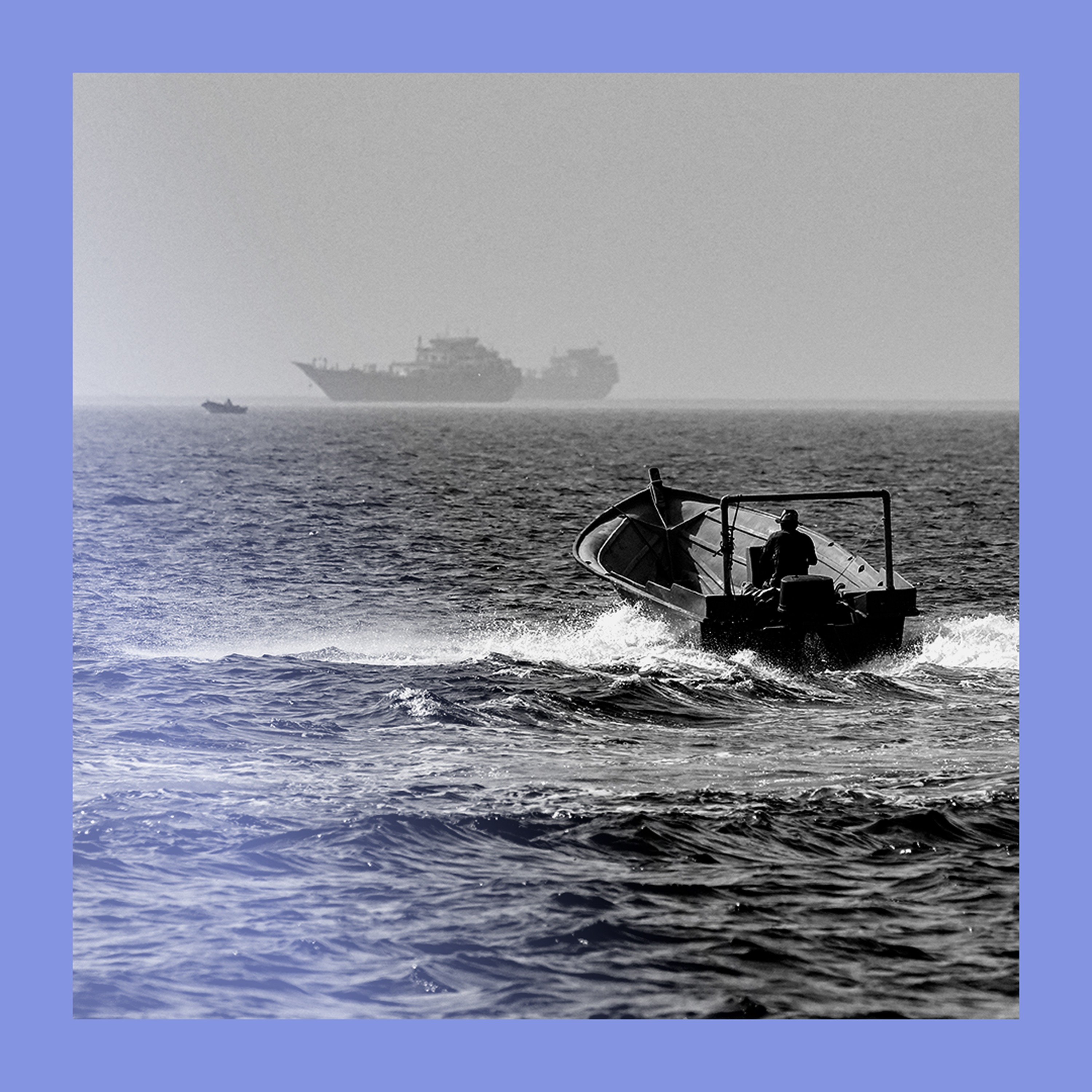
While US sanctions are a factor, the Iranian currency's freefall is largely due to structural corruption. The economy is dominated by the military and clerical foundations, a political-economic model that stifles growth and fuels public anger—a problem sanctions relief alone cannot solve.
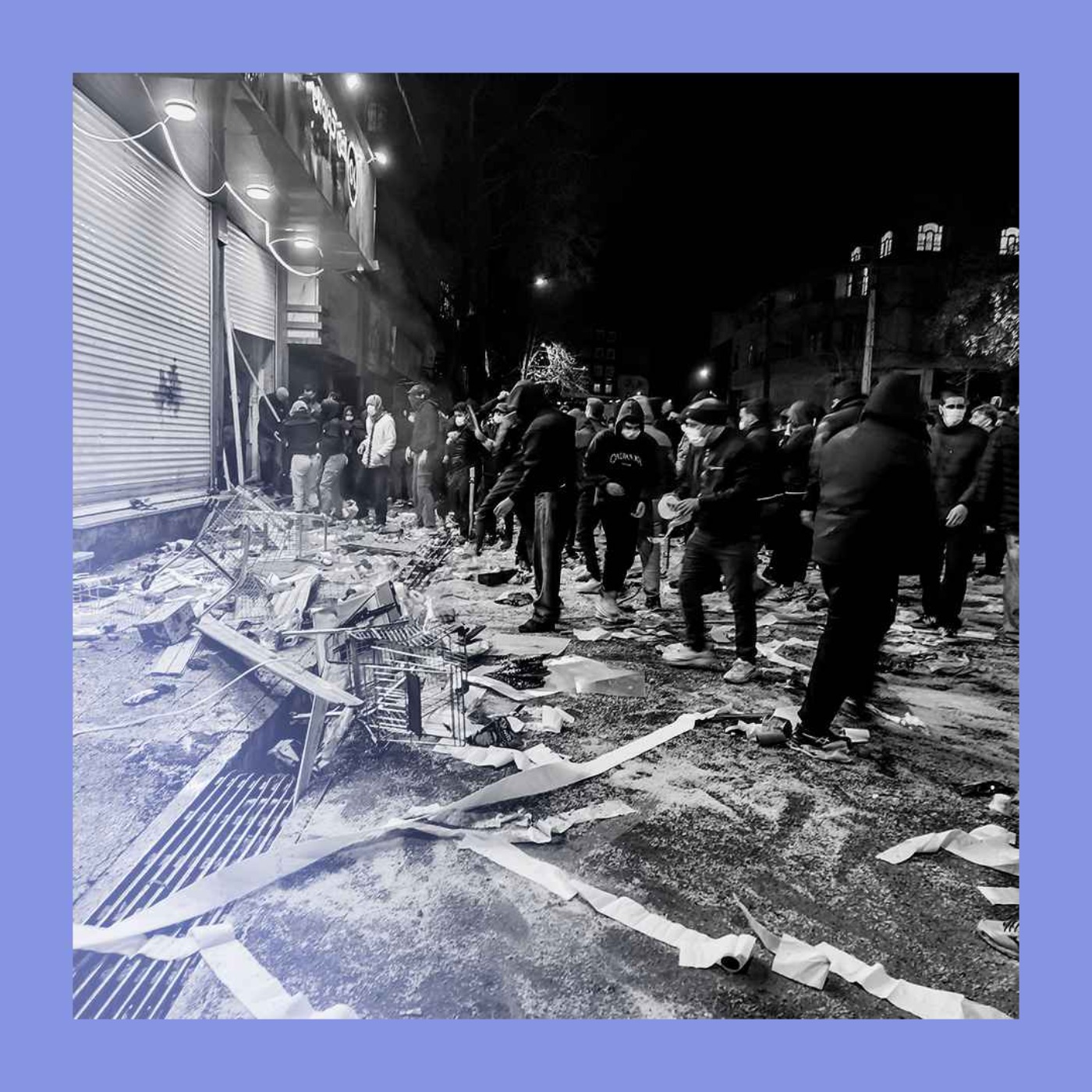
The US expects sanctions and military threats to force negotiation based on economic self-interest. However, nations like Iran, driven by theological and ideological principles, often prioritize perceived long-term divine victory over short-term economic hardship, rendering typical US leverage ineffective.

The Islamic Republic, which views conflicts as a fight for its very survival, can tolerate far greater economic hardship and military casualties than the U.S. While American politics is sensitive to minor gas price hikes, Iran's regime withstands triple-digit inflation and significant casualties, giving it a strategic advantage in prolonged conflicts.