Get your free personalized podcast brief
We scan new podcasts and send you the top 5 insights daily.
After a six-month sobriety period, Kevin Rose adopted the '2-2-2 rule': a maximum of two drinks, never on consecutive days, and on a maximum of two days per week. This structured approach helps re-evaluate one's relationship with alcohol without complete abstinence, focusing on moderation and special occasions.

Related Insights
To encourage better choices, emphasize immediate, tangible rewards over long-term, abstract goals. A Stanford study found diners chose more vegetables when labeled with delicious descriptions ("sizzling Szechuan green beans") versus health-focused ones ("nutritious green beans"). This works with the brain's value system, which prioritizes immediate gratification.

Contrary to the economic theory that more choice is always better, people sometimes prefer fewer options. Removing a tempting choice, like a bowl of cashews before dinner, can lead to better outcomes by acting as a pre-commitment device, which helps overcome a lack of self-control.
In a collaborative setting like a mastermind, individual energy management directly impacts the group's collective outcome. Actions like getting enough sleep, avoiding alcohol, and staying off your phone are not just for personal benefit; they are a way to honor everyone's time by showing up fully present.

Alcohol temporarily reduces anxiety by boosting the neurotransmitter GABA. However, the brain overcompensates by converting GABA into glutamate, an excitatory neurotransmitter. This rebound effect leaves you more anxious than before, creating a self-perpetuating cycle of self-medication.

Addiction isn't defined by the pursuit of pleasure. It's the point at which a behavior, which may have started for rational reasons, hijacks the brain’s reward pathway and becomes compulsive. The defining characteristic is the inability to stop even when the behavior no longer provides pleasure and begins causing negative consequences.
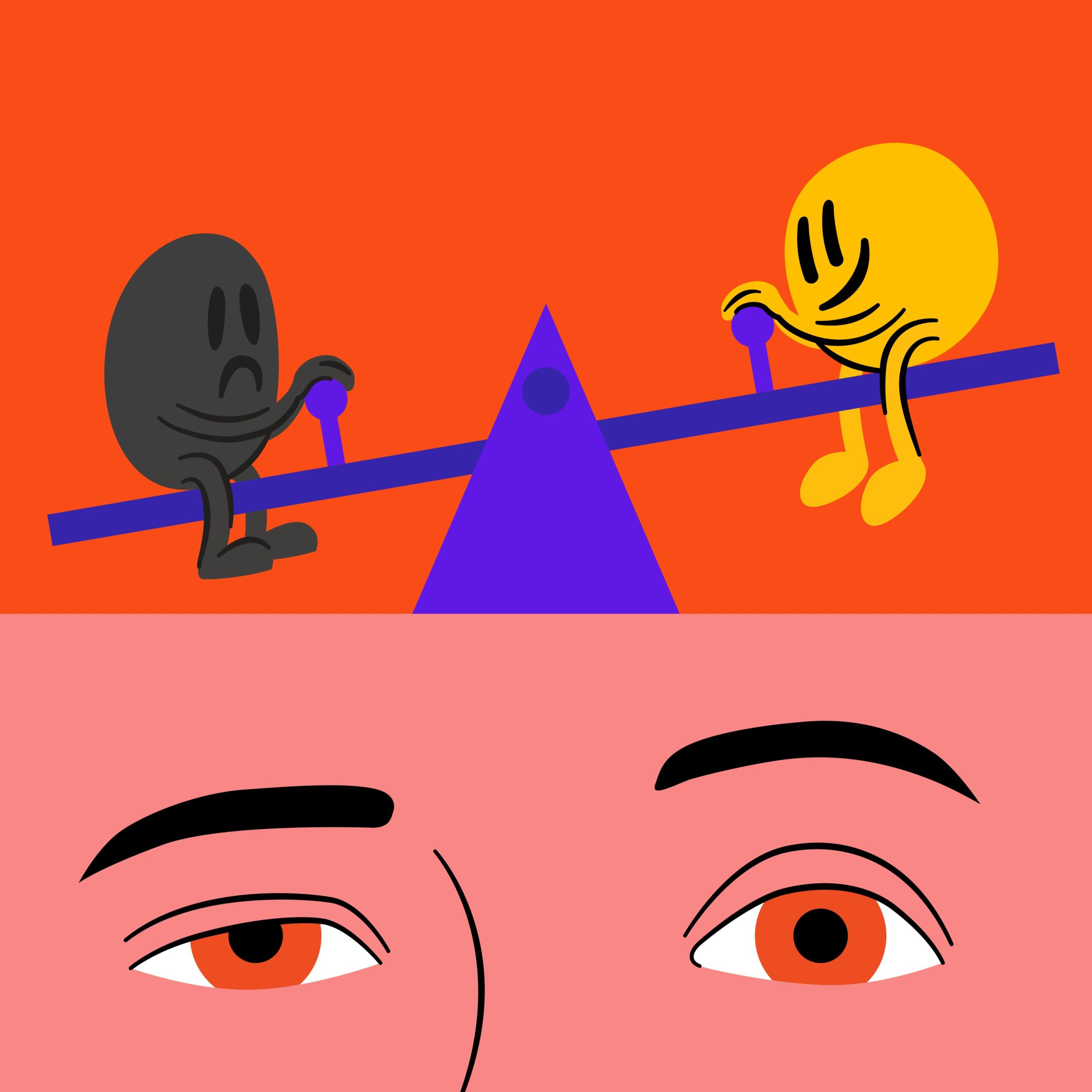
Frame daily activities as either contributing to 'aliveness' (connection, movement, focus) or 'numbness' (doomscrolling, binge-watching). This simple heuristic helps you consciously choose actions that energize you and build a more fulfilling life, rather than those that numb and distract you.

High achievers often apply immense rigor to their companies while neglecting their personal lives. To avoid this imbalance, treat your life like a business by implementing formal processes like quarterly reviews for relationships and personal goals, ensuring they receive the purposeful investment they need to thrive.

Constantly bombarding our reward pathways causes the brain to permanently weigh down the 'pain' side of its pleasure-pain balance. This alters our baseline mood, or 'hedonic set point,' meaning we eventually need our substance or behavior not to get high, but simply to escape a state of withdrawal and feel normal.
Miller refutes the idea that alcohol aided his creativity. In hindsight, he states it did him "nothing" good. Sobriety helped him realize that what he perceived as creative fuel was simply misdirected anger, and that clear-headed focus is a far more productive and powerful state for creating art.
The first step to overcoming bad habits is accepting full accountability, rejecting the notion that you're a victim of circumstance or heredity. Pointing to others who have broken similar negative patterns proves it's possible, reframing the challenge as an opportunity to be the first in your lineage to change.
