Get your free personalized podcast brief
We scan new podcasts and send you the top 5 insights daily.
Mitzera's CEO uses this common interview question as a reverse filter. He becomes suspicious if a candidate's answer is too perfectly tailored to the job they're applying for, as it may signal a lack of genuine personality or well-rounded interests beyond their professional life.

Related Insights
To get past a founder's polished pitch, ask about their core motivations (like ambition) multiple times throughout the diligence process, using different phrasing. This repeated, layered approach can reveal inconsistencies and expose their genuine life goals versus what they think investors want to hear.

The purpose of quirky interview questions has evolved. Beyond just assessing personality, questions about non-work achievements or hypothetical scenarios are now used to jolt candidates out of scripted answers and expose those relying on mid-interview AI prompts for assistance.

To understand a candidate's true drivers, ask them to walk through every major career decision they've made, from college choice to job changes. This narrative reveals patterns and motivations—such as status-chasing, financial incentives, or problem-solving focus—far more effectively than direct questions.

In a rapidly changing environment, adaptability ('malleability') is key. To get past rehearsed answers about work projects, ask candidates to describe personal changes they've made in their own lives. This reveals their genuine capacity for self-reflection and adaptation.
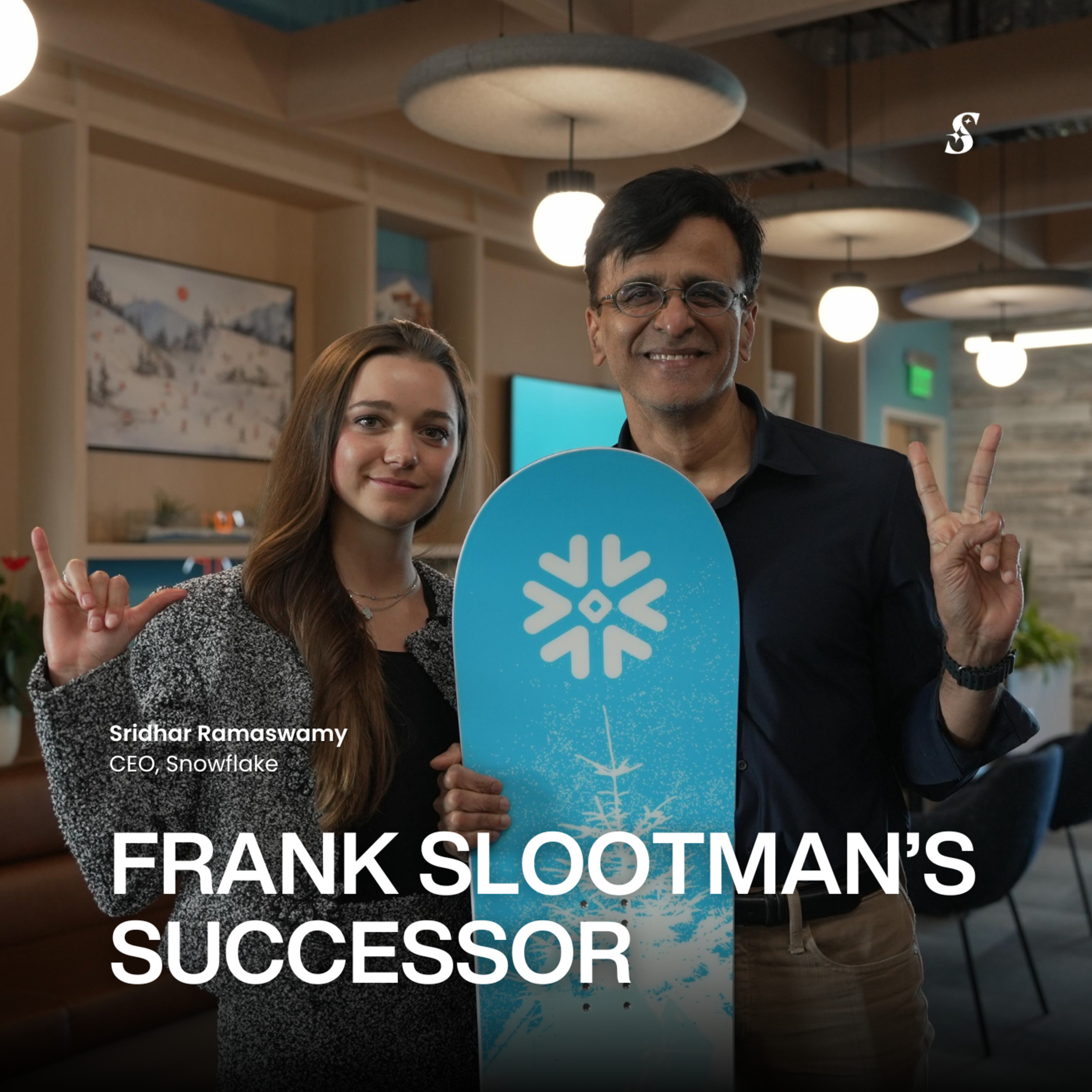
Asking a candidate when they first encountered the brand can reveal whether they are a true customer and believe in the mission. This question invites a conversation that helps suss out their level of preparation, empathy for the customer, and genuine interest beyond just seeking a job.

Instead of treating a resume as a list of facts, frame interviews around the story it tells. Ask "why" behind each job change and project choice to understand the candidate's motivations, self-awareness, and decision-making process. This reveals far more than a list of skills and accomplishments.

Asking candidates to describe themselves metaphorically (as a drink or spice) bypasses rehearsed answers. This forces authentic self-reflection, revealing deeper personality traits, personal history, and character far more effectively than standard interview questions.

Ditch standard FANG interview questions. Instead, ask candidates to describe a messy but valuable project they shipped. The best candidates will tell an authentic, automatic story with personal anecdotes. Their fluency and detail reveal true experience, whereas hesitation or generic answers expose a lack of depth.

To assess a candidate's true character and values, move beyond standard interview questions. Use unexpected, personal prompts like "What's something your parents taught you?" or "What was your first job?" These questions reveal foundational lessons, resilience, and personal drive, which are hard to gauge otherwise.

Instead of generic interview questions, ask what truly motivates a candidate and what they'd do for a hobby if money weren't an issue. The way they describe these passions reveals their energy, personality, and core drivers far more effectively than rehearsed answers about work experience.