Get your free personalized podcast brief
We scan new podcasts and send you the top 5 insights daily.
The next wave of AI tools, like the prototype Nebula, will operate in the background. By connecting to work apps like Slack or GitHub, they will anticipate needs and proactively generate summaries, meeting prep docs, and updates without being asked.

Related Insights
The emergence of personal AI assistants that can be integrated with private data (email, Slack) and execute tasks (send emails, build CRMs) represents a new paradigm. This moves AI from a passive research tool to an active, autonomous agent capable of performing complex knowledge work, fundamentally changing productivity.
The primary interface for AI is shifting from a prompt box to a proactive system. Future applications will observe user behavior, anticipate needs, and suggest actions for approval, mirroring the initiative of a high-agency employee rather than waiting for commands.

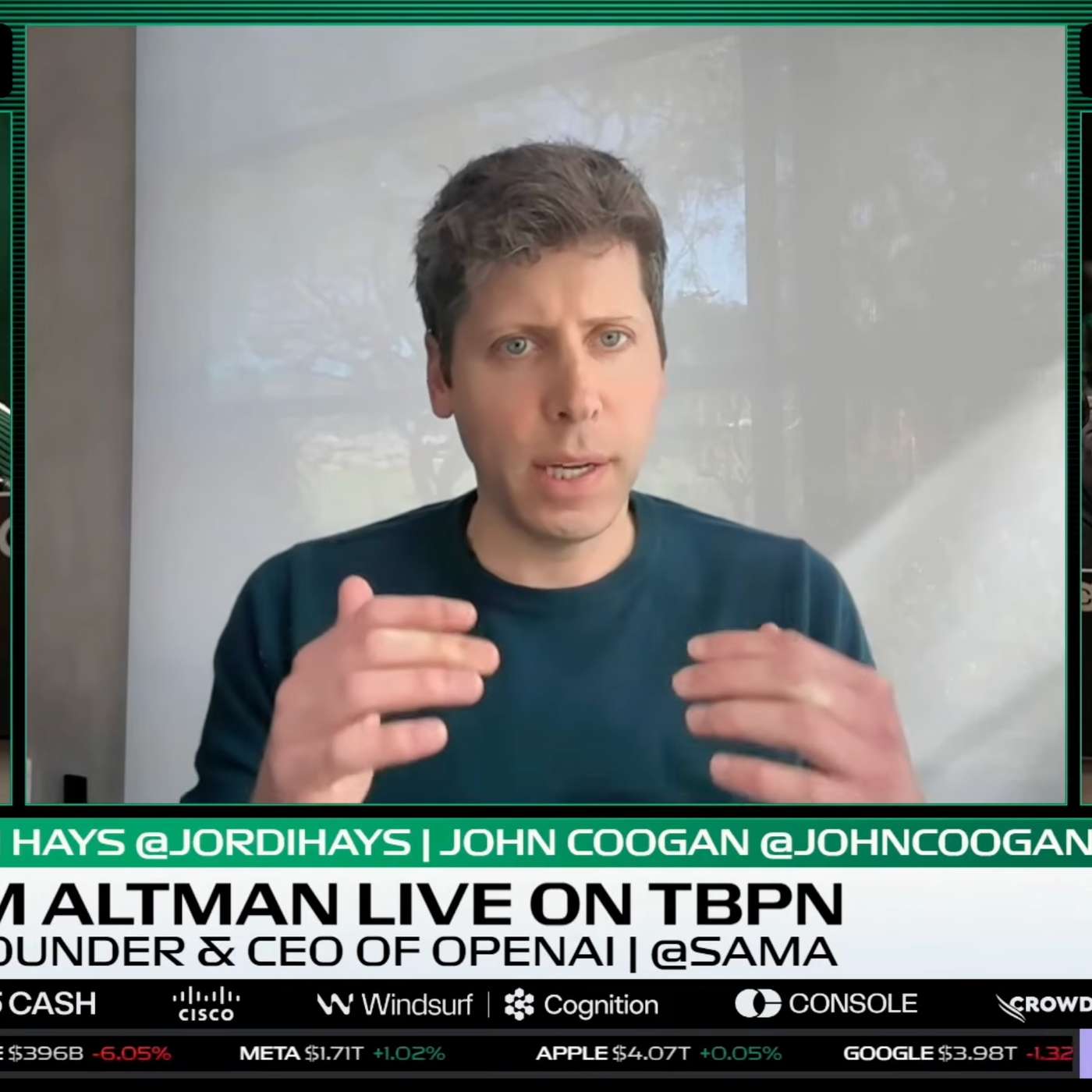
Sam Altman describes his ideal product: a to-do list where adding a task triggers an AI agent to attempt completion. This model—where the AI proactively works, asks for clarification, and integrates with manual effort—represents a profound shift in productivity software.
The most effective application of AI isn't a visible chatbot feature. It's an invisible layer that intelligently removes friction from existing user workflows. Instead of creating new work for users (like prompt engineering), AI should simplify experiences, like automatically surfacing a 'pay bill' link without the user ever consciously 'using AI.'

Sam Altman's ultimate vision for software isn't AI-assisted messaging but a proactive agent. Instead of managing Slack, users will state their goals for the day, and the AI will handle communication and tasks, providing batched updates. This signals a shift from augmenting existing workflows to replacing them entirely.

The next major leap for AI is its ability to connect disparate apps and data sources (email, calendar, location) to take autonomous actions. This will move AI from a Q&A tool to a proactive agent that seamlessly manages complex workflows.
The era of prompt engineering is ending. The future is proactive AI agents working in the background to surface critical information. These agents will automatically monitor for and alert teams to competitor launches, new patent filings, and regulatory changes, shifting from a manual 'pull' to an automated 'push' model of intelligence.

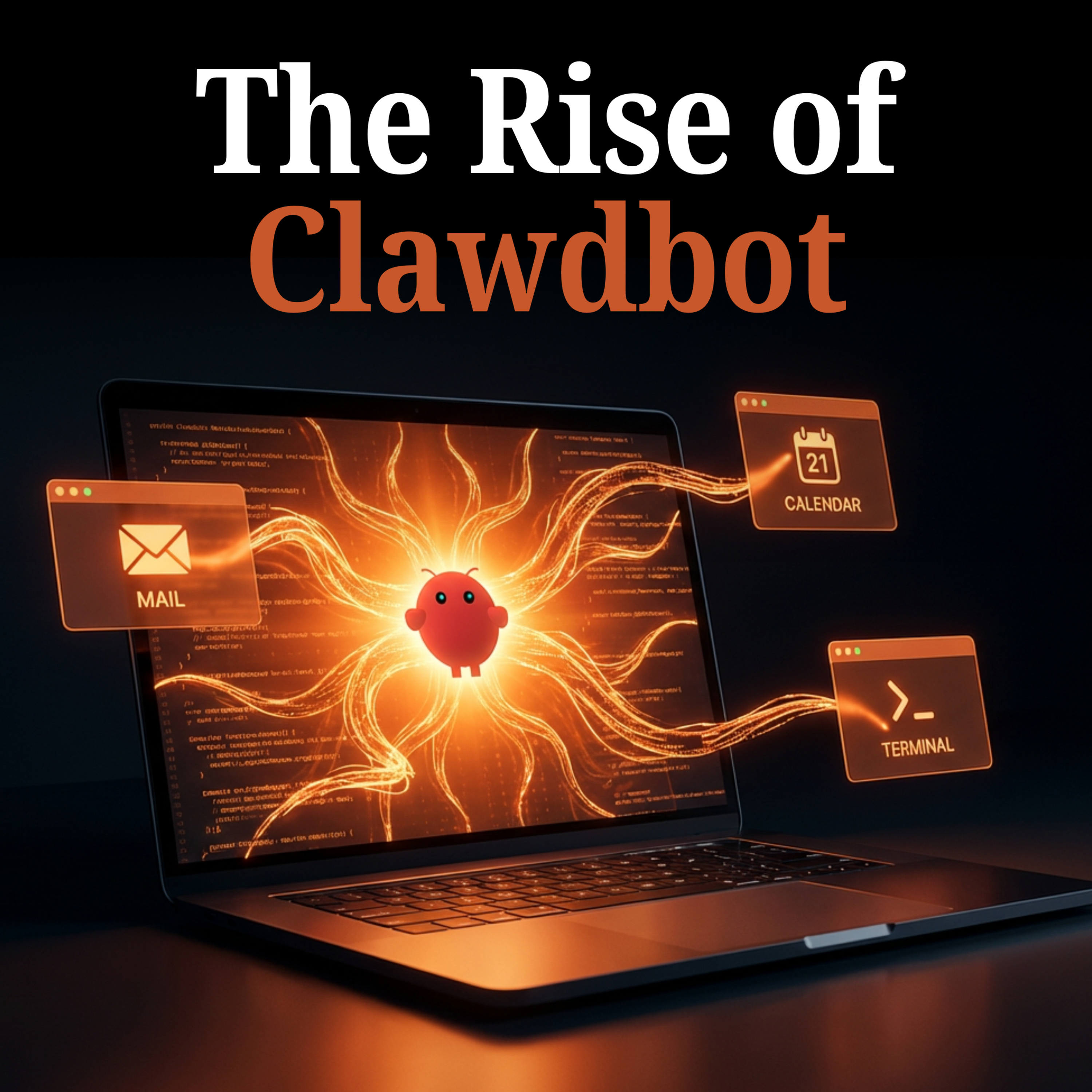
Clawdbot can autonomously identify market trends (like X's new article feature), propose new product features, and even write the code for them, acting more like a chief of staff than a simple task-doer.
The current chatbot model of asking a question and getting an answer is a transitional phase. The next evolution is proactive AI assistants that understand your environment and goals, anticipating needs and taking action without explicit commands, like reminding you of a task at the opportune moment.

The most profound near-term shift from AI won't be a single killer app, but rather constant, low-level cognitive support running in the background. Having an AI provide a 'second opinion for everything,' from reviewing contracts to planning social events, will allow people to move faster and with more confidence.