Get your free personalized podcast brief
We scan new podcasts and send you the top 5 insights daily.
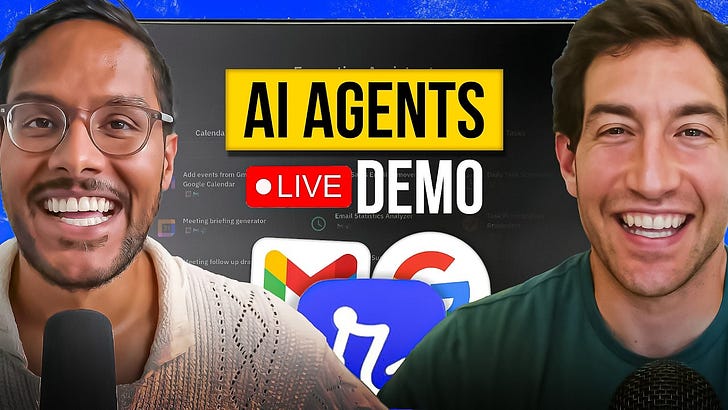
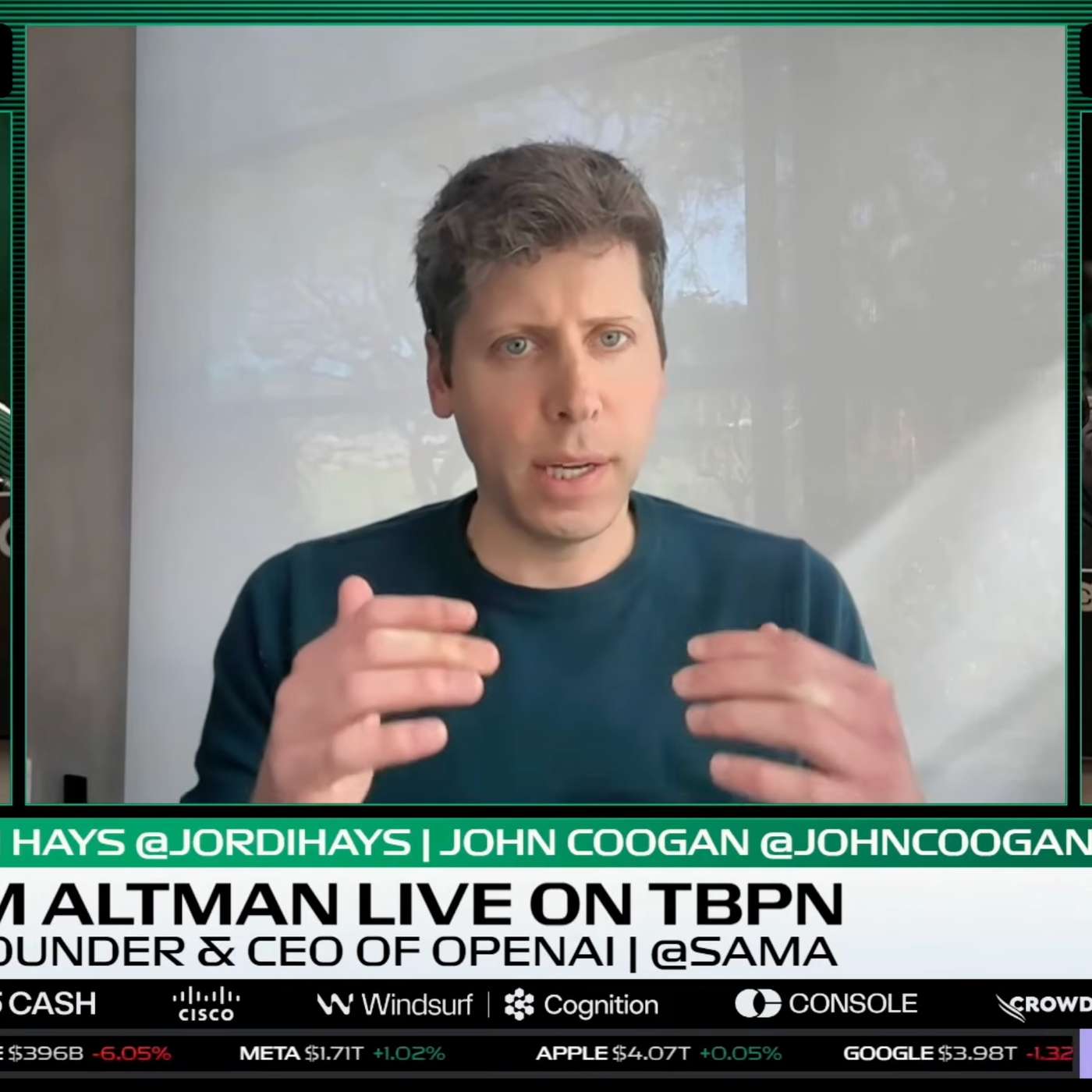
Sam Altman describes his ideal product: a to-do list where adding a task triggers an AI agent to attempt completion. This model—where the AI proactively works, asks for clarification, and integrates with manual effort—represents a profound shift in productivity software.
Related Insights
The emergence of personal AI assistants that can be integrated with private data (email, Slack) and execute tasks (send emails, build CRMs) represents a new paradigm. This moves AI from a passive research tool to an active, autonomous agent capable of performing complex knowledge work, fundamentally changing productivity.
The key product innovation of Agent Skills is changing the user's perception of AI. Instead of just a tool that answers questions, AI becomes a practical executor of defined workflows, making it feel less like a chat interface and more like powerful, responsive software.
Moving beyond chatbots, tools like Claude Cowork empower non-coders to create complex, multi-step autonomous workflows using natural language. This 'agentic' capability—connecting documents, searches, and data—is a key trend that will democratize automation and software creation for all knowledge workers.

Sam Altman believes incumbents who just add AI features to existing products (like search or messaging) will lose to new, AI-native products. He argues true value comes not from summarizing messages, but from creating proactive agents that fundamentally change user workflows from the ground up.

The primary interface for managing AI agents won't be simple chat, but sophisticated IDE-like environments for all knowledge workers. This paradigm of "macro delegation, micro-steering" will create new software categories like the "accountant IDE" or "lawyer IDE" for orchestrating complex AI work.
Sam Altman argues there is a massive "capability overhang" where models are far more powerful than current tools allow users to leverage. He believes the biggest gains will come from improving user interfaces and workflows, not just from increasing raw AI intelligence.
The primary interface for AI is shifting from a prompt box to a proactive system. Future applications will observe user behavior, anticipate needs, and suggest actions for approval, mirroring the initiative of a high-agency employee rather than waiting for commands.

Sam Altman's ultimate vision for software isn't AI-assisted messaging but a proactive agent. Instead of managing Slack, users will state their goals for the day, and the AI will handle communication and tasks, providing batched updates. This signals a shift from augmenting existing workflows to replacing them entirely.
The future of software isn't just AI-powered features. It's a fundamental shift from tools that assist humans to autonomous agents that perform tasks. Human roles will evolve from *doing* the work to *orchestrating* thousands of these agents.
The paradigm shift with AI agents is from "tools to click buttons in" (like CRMs) to autonomous systems that work for you in the background. This is a new form of productivity, akin to delegating tasks to a team member rather than just using a better tool yourself.