Get your free personalized podcast brief
We scan new podcasts and send you the top 5 insights daily.
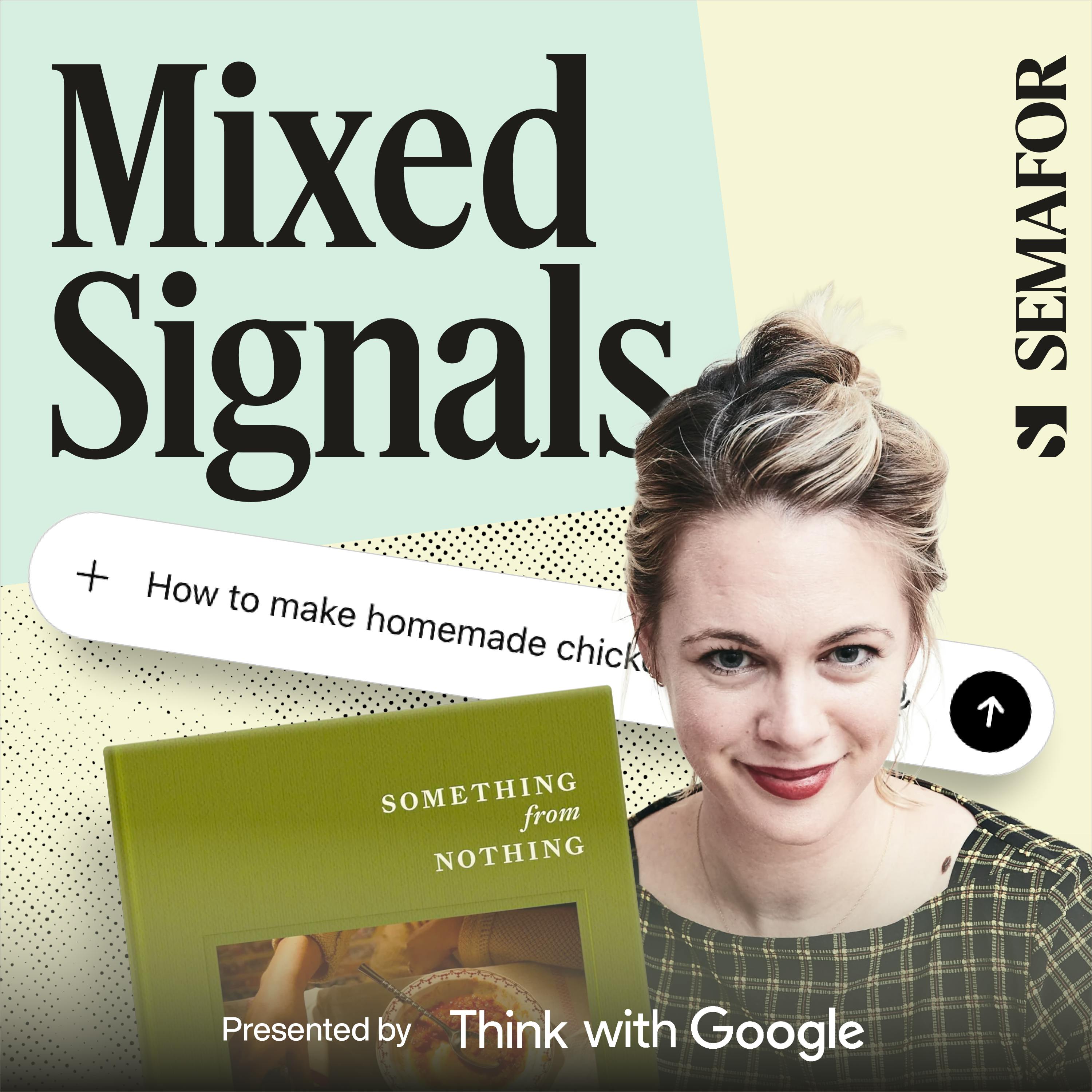
Social media has pushed food creation towards reverse-engineering recipes based on what will look visually appealing. This prioritizes aesthetics and 'performance' over taste and soul, leading creator Alison Roman to deliberately make an 'ugly as hell' dish as a reaction.

Related Insights
Chef Alison Roman grounds her identity in being a "writer" and a "cook"—professions that could exist without electricity or the internet. This focus on core, non-digital skills provides career stability and creative integrity in a rapidly changing media landscape.
Chasing a universal standard of "tastefulness" often leads to perfectionism and inaction. Instead, focus on having good intent to create value for a specific audience. Trust your own subjective taste, execute on it, and accept that it won't be for everyone.

Despite numerous offers, Alison Roman refuses to license her name for a ghost kitchen. She feels it's an impersonal, inauthentic model that 'devalues what I actually do,' drawing a clear line between selling a product (sauce) and selling a prepared meal experience she can't control.
The creator of internet-famous recipes argues the sheer volume of content means the conditions for one item to dominate the cultural conversation no longer exist. "Everyone's famous, nothing's famous," she says, making true breakout virality a relic of the past.
Cookbooks provide a cohesive, themed collection, offering a tangible, screen-free alternative to the endless stream of single-serving digital recipes. This creates a more meaningful and lasting connection with the content, turning a utility into a cherished object.
In an era of bright spaces optimized for social media, one chef is taking the opposite approach. He designs his restaurant to be dark and atmospheric, creating a vibe that encourages presence over content creation. The food 'photographs terribly,' and that's the point.
Alison Roman found that scaling her shallot pasta sauce required a complete method overhaul. Large-batch caramelization made the shallots too sweet and jammy, forcing a recipe change, demonstrating that scaling food production is a complex chemistry problem.
The definition of "AI slop" is evolving from obviously fake images to a flood of perfectly polished, generic, and boring content. As AI makes flattering imagery cheap to produce, authentic, unpolished, and even unflattering content becomes more valuable for creators trying to stand out on platforms like Instagram.

After seeing AI generate predictable "Alison Roman style" recipes, she realized her tropes had become clichés. She now uses this AI-driven self-awareness as a creative prompt to evolve her work, consciously dropping signature phrases to avoid becoming a caricature of herself.
CEO Adam Mosseri observes a major cultural shift on Instagram away from the high-saturation, photoshopped look. The content now driving cultural relevance is its opposite: raw, unprocessed 'photo dumps.' In a world of hyper-production, users crave content that feels more authentic.
