Get your free personalized podcast brief
We scan new podcasts and send you the top 5 insights daily.
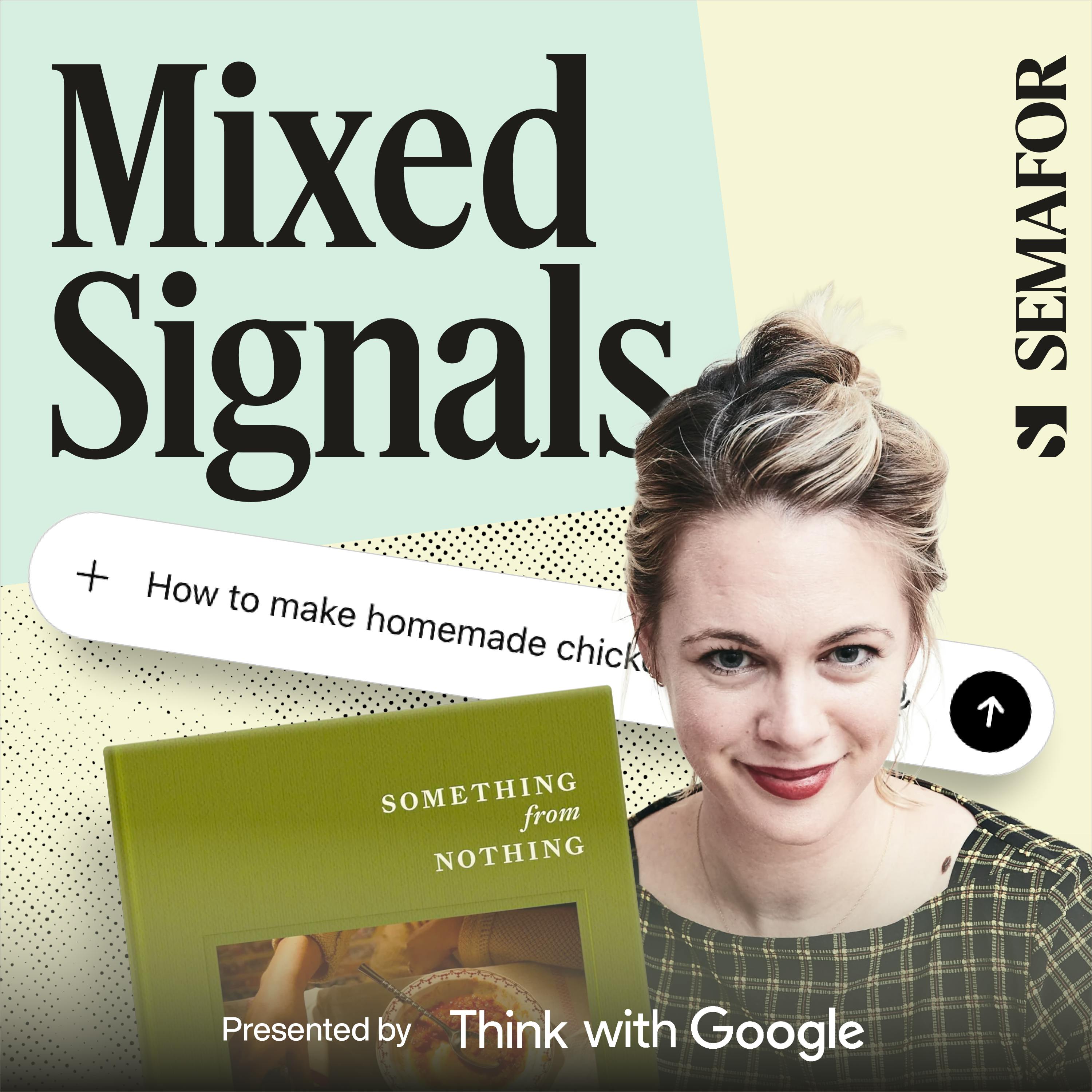
The creator of internet-famous recipes argues the sheer volume of content means the conditions for one item to dominate the cultural conversation no longer exist. "Everyone's famous, nothing's famous," she says, making true breakout virality a relic of the past.
Related Insights
As AI-generated content and virtual influencers saturate social media, consumer trust will erode, leading to 'Peak Social.' This wave of distrust will drive people away from anonymous influencers and back towards known entities and credible experts with genuine authority in their fields.

Five years ago, success on TikTok came from quickly hopping on trends. According to Duolingo's Zaria Parvez, that strategy is now saturated. Brands that stand out today prioritize unique creative that isn't trend-dependent, as consumers have grown tired of seeing dozens of brands doing the same thing.
As AI drives the cost of content creation to zero, the world floods with 'average' material. In this environment, the most valuable and scarce skill becomes 'taste'—the ability to identify, curate, and champion high-quality, commercially viable work. This elevates the role of human curators over pure creators.
![Ari Emanuel - The Anti-AI Bet - [Invest Like the Best, EP.448] thumbnail](https://megaphone.imgix.net/podcasts/c5910280-c4dd-11f0-94be-ab6a7a5865b0/image/1e5a2263eb62fcde200846919e24419a.jpg?ixlib=rails-4.3.1&max-w=3000&max-h=3000&fit=crop&auto=format,compress)
Hershey's launch of a Dubai Chocolate product a full year after the flavor went viral on social media highlights a critical agility gap. The slow product development cycles of large corporations cannot keep pace with fast-moving digital trends, causing them to miss the peak of consumer interest and appear out of touch.

The value of a large, pre-existing audience is decreasing. Powerful platform algorithms are becoming so effective at identifying and distributing high-quality content that a new creator with great material can get significant reach without an established following. This levels the playing field and reduces the incumbent advantage.
The internet democratizes consumption but consolidates production, meaning everyone remembers Apple but not Samsung's founder, Usain Bolt but not the silver medalist. The gap between #1 and #2 is infinite fame versus obscurity. In content-driven markets, the only rational strategy is to aim for being "insanely great," not just "good."

Generative AI allows any marketer to quickly produce mediocre content. This saturation makes buyers more discerning and creates a significant opportunity for brands that invest in genuinely excellent, insightful content to stand out and build trust. Quality, not quantity, becomes the key differentiator.

The algorithmic shift on platforms like Instagram, YouTube, and Facebook towards short-form video has leveled the playing field. New creators can gain massive reach with a single viral video, an opportunity not seen in over a decade, akin to the early days of Facebook.

Creating viral content requires a formula: identify a dominant fandom driving conversation, understand the target platform's user base, and find a brand-relevant angle within hours. It's a strategic process of connecting cultural moments to your brand in near real-time, not a random act.

The next marketing wave isn't chasing viral trends, which builds trend recall but not brand recall. Instead, brands must create immersive, episodic 'worlds' that function as standalone entertainment. This shifts the goal from grabbing attention to holding it through compelling, serialized content.