Get your free personalized podcast brief
We scan new podcasts and send you the top 5 insights daily.
Packaging can be more than a container; it can be a feature that adds value and novelty. For a CPG brand, this could mean including unique messages, poems, or even personalized fortunes on wrappers, creating a small moment of delight that enhances the customer experience and brand story.

Related Insights
The brand includes three red-wrapped "emergency rolls" in each box. This is a deliberate, costly feature that a large corporate would likely eliminate. It serves as a powerful surprise-and-delight moment that reinforces the brand's challenger ethos and generates customer goodwill.

A market can seem established, but if existing products are visually unappealing and fail to create an emotional connection, a new entrant can win purely on branding and packaging that captures attention and meets a consumer's need state.
To differentiate in a crowded market, Spot & Tango wrapped its dog food in pink butcher paper. This sensory detail immediately associated the product with a premium, local, human-grade deli experience, effectively communicating brand values without words.

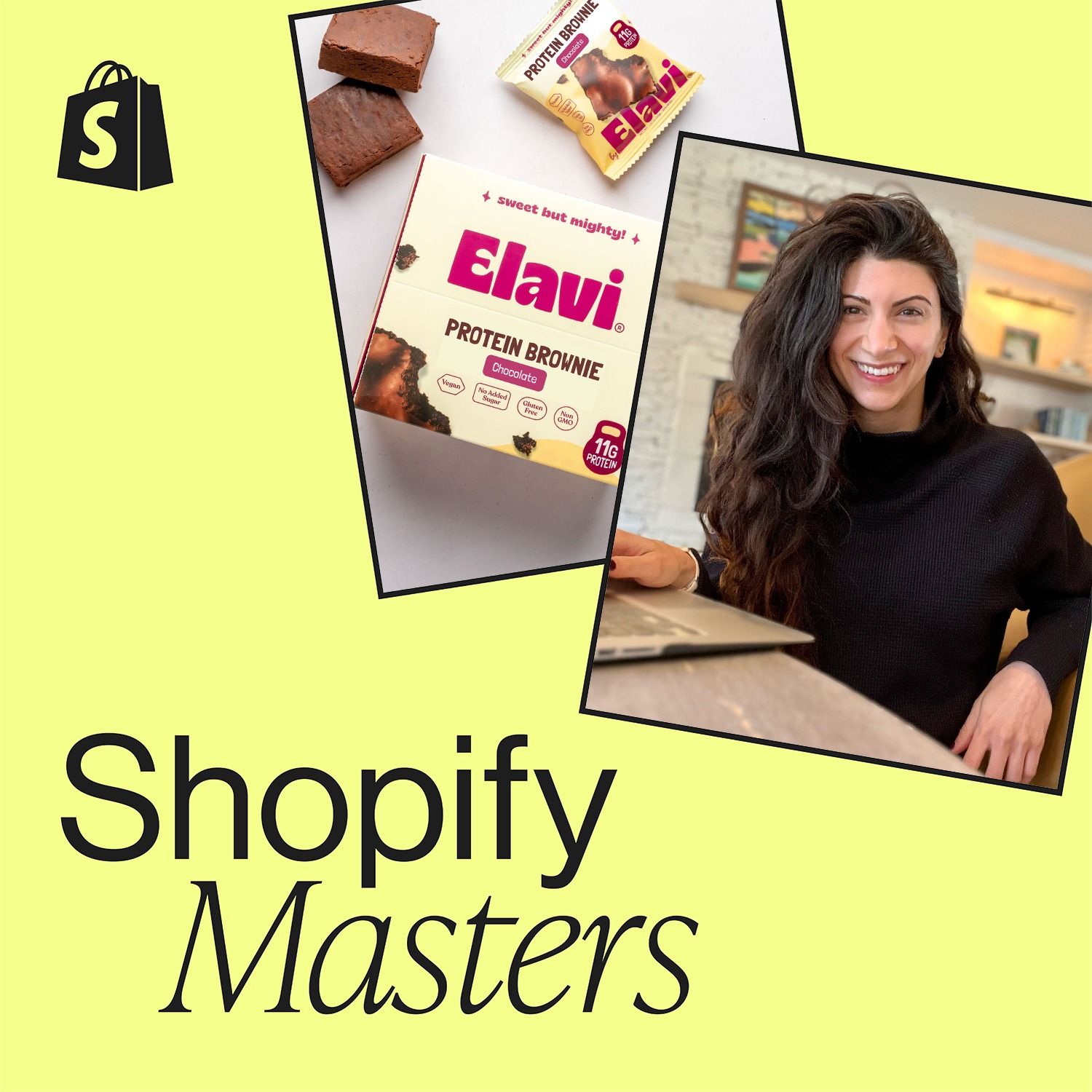
Alave made a bold packaging decision: making the product type (“Protein Brownie”) the main focus, not the brand logo. They gambled that in the split-second a customer looks at a shelf, clearly communicating *what* the product is proves more effective for a new brand than establishing *who* they are. The strategy crushed.
Initially using a standard carton, Matt O'Hayer was inspired by Stonyfield's founder, who pointed out the egg carton was a "big piece of real estate." This insight prompted Vital Farms to redesign its packaging into a piece of art that tells a story, turning a disposable container into their most powerful tool for capturing attention and driving trial purchases.
In crowded retail, packaging is the primary salesperson. Brands like RXBAR won by clearly stating value props (macros, simple ingredients) on the front. A new brand must do the same, highlighting key benefits like "slow burning energy" or "clean carbs" to capture attention instantly.
Founder Jim Cregan's core philosophy is that a product's success hinges on three elements working in perfect harmony: branding (what it says), packaging (how it feels), and ingredients (how it tastes). If one of these pillars is weak, the entire product fails.
For brands with a retail presence, the product packaging itself is a powerful and underutilized billboard. By adding a QR code with an incentive, you can convert in-store purchasers into owned D2C customers, bridging the physical and digital channels.
The startup turned a product liability (food near its expiration date) into a feature by selling "surprise bags." This gamified approach transforms the customer experience from a simple discount purchase into an exciting discovery, tapping into the same psychology that drives the popularity of mystery toys like LaBubu.

Peacework Puzzles intentionally designed its boxes to look like art books or luxury candles, not traditional game boxes. This strategy encourages customers to display the puzzles as home decor, leading to organic social media sharing as people style them on shelves and coffee tables.