Get your free personalized podcast brief
We scan new podcasts and send you the top 5 insights daily.
To differentiate in a crowded market, Spot & Tango wrapped its dog food in pink butcher paper. This sensory detail immediately associated the product with a premium, local, human-grade deli experience, effectively communicating brand values without words.

Related Insights
To combat price objections, artisan cheese expert Adam Moskowitz reframes his product not as expensive, but as valuable. The superior flavor-per-bite of quality cheese provides more intrinsic value than cheaper, mass-market alternatives that primarily offer a generic 'creamy' texture.

Inspired by the "Mad Men" 'It's Toasted' pitch, Norwegian Wool markets its production processes, like letting fabric rest for a month. These details, often taken for granted internally, become powerful narrative tools that convey quality, craftsmanship, and a compelling story to customers.

Unlike competitors whose store brands are cheaper versions of national products, Trader Joe's mandates that its private label items offer a unique value proposition. This could be a novel ingredient, unique packaging, or a better price on a superior item, reinforcing their brand as an innovator, not a discounter.
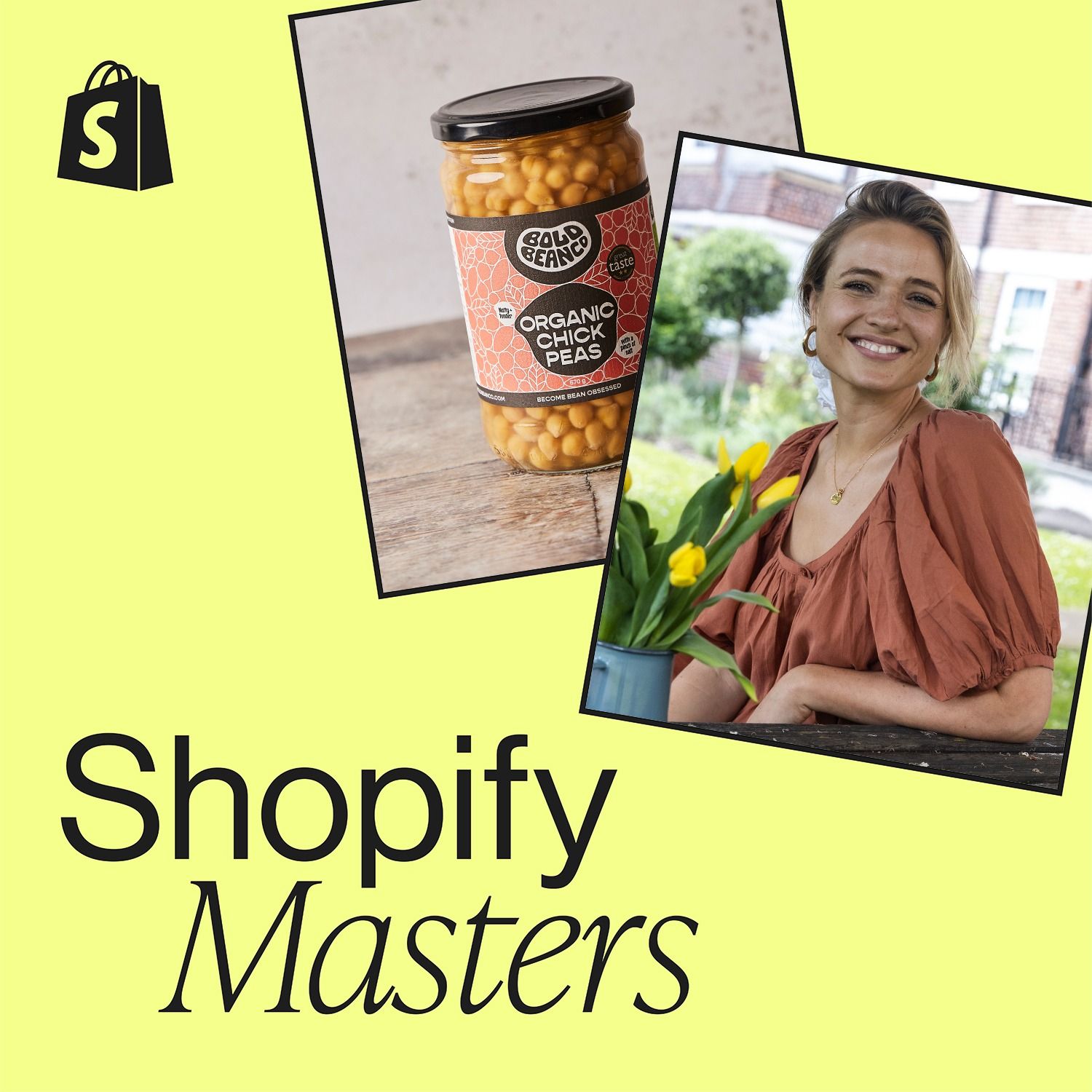
The brand used clear glass jars, initially a byproduct of a superior cooking method, to showcase the beans' quality. This transparency shifted consumer perception from a hidden pantry staple to a premium, display-worthy ingredient, justifying a higher price point.
Levi's is launching a premium denim line using a blue tab instead of its iconic red one. This simple visual change serves as a powerful status signal, allowing consumers to publicly display that they've purchased the more expensive, exclusive version of the product, creating a new tier within the brand's ecosystem.

Consumers are trained by food packaging to look for simple, bold 'macros' (e.g., '7g Protein,' 'Gluten-Free'). Applying this concept to non-food items by clearly stating key attributes ('Chemical-Free,' 'Plant-Based') on the packaging can rapidly educate consumers at the point of purchase and differentiate the product.

To break through a "sea of sameness," brands must find their "Pink Batman"—an unexpected, slightly weird element that makes them instantly memorable and distinct, just like imagining the iconic character in a surprising color you can't unsee.

Just as red socks make a suit stand out, businesses can differentiate with a single, unique, and even controversial feature. This 'red sock'—like Aritzia's mirrorless rooms or Chick-fil-A's Sunday closures—makes a brand memorable, for better or worse, in a crowded market.
In a study, a faint chocolate smell was pumped into a store. While none of the 105 shoppers interviewed afterward consciously noticed the scent, the featured chocolate brand's share jumped by 41%. This demonstrates that subconscious sensory cues can bypass rational thought and directly influence purchasing decisions.

In a crowded market, brand is defined by the product experience, not marketing campaigns. Every interaction must evoke the intended brand feeling (e.g., "lovable"). This transforms brand into a core product responsibility and creates a powerful, defensible moat that activates word-of-mouth and differentiates you from competitors.
