Get your free personalized podcast brief
We scan new podcasts and send you the top 5 insights daily.
Listening to sad music when you're sad isn't self-indulgent; it's therapeutic. It stimulates the brain's right hemisphere, which processes aesthetics, helping you to better understand your confusing emotions and facilitating the healing process.

Related Insights
The content you consume before sleep influences your subconscious processing. To foster meaning and creativity, read generative material like poetry or psalms instead of information-dense, educational content. This stimulates the right hemisphere of your brain, allowing for deeper, more meaningful rest and insight.

Artists can become emotionally detached from their own work over time. Experiencing profound personal hardship, while devastating, can be a 'gift' that forces a reconnection with the visceral emotions their music explores. This allows them to see their art through the fans' eyes again, understanding the catharsis their audience experiences on a much deeper level.
The habit of emotional withholding isn't selective. When you consistently suppress feelings like sadness or anger, you also unintentionally stifle your ability to experience and express joy. Emotional health requires being open to the full spectrum of feelings, not just the negative ones.

Trying to eliminate trauma is counterproductive. Instead, reframe its role by acknowledging it as a protective mechanism in your left brain. Thank it for its information, then consciously shift focus to other brain regions to self-soothe and move forward.

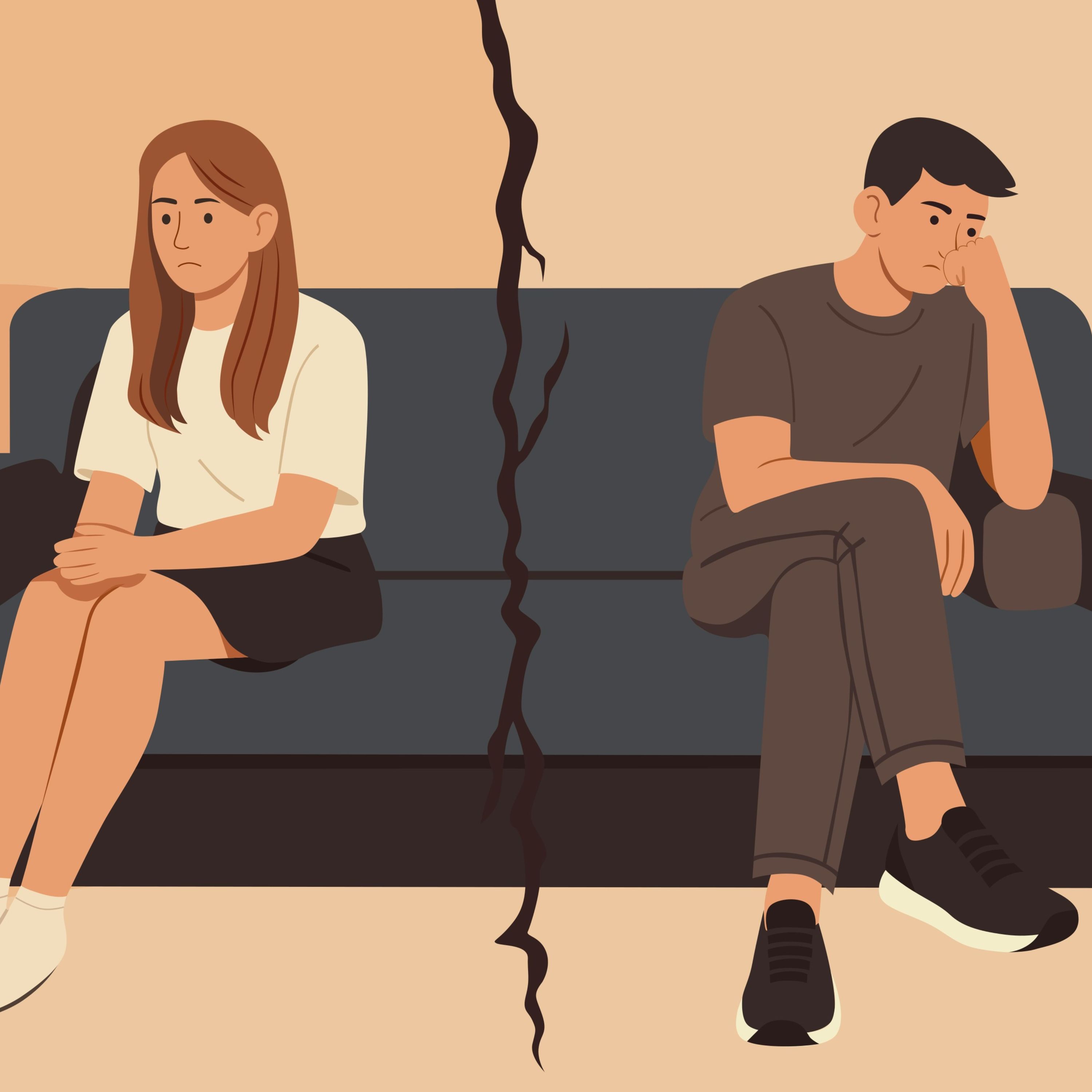
Resolving unfinished business after a relationship ends is a personal task. Imaginary dialogues can be more effective for emotional processing than real conversations with the other person, who may be unavailable or unwilling. Closure comes from within, not from external validation.
The capacity for profound joy from simple things is intensified by having experienced life's hardships. Grief provides the necessary contrast that transforms tender moments from being merely "nice" into feeling "life-saving" and deeply meaningful.

During REM sleep, the brain is in a unique state where the stress neurochemical noradrenaline is completely shut off. This allows the brain to reprocess difficult emotional experiences without the anxiety response, effectively stripping the painful charge from the memory itself.

A structured exercise for unpacking grief involves making three lists: 1) the good things you've lost, 2) the bad things you no longer have to tolerate, and 3) the unrealized future hopes and dreams. This provides a complete emotional accounting of the loss.
The fastest way to recover from rejection isn't to immediately suppress the negative feeling. Instead, you must allow yourself to feel and process the emotion fully. Suppressing it causes more pain. True resilience comes from letting the feeling pass through you before asking powerful questions to move forward.

To heal a relational wound, one must revisit the original feeling within a new, safe relationship. The healing occurs when this context provides a "disconfirming experience"—a different, positive outcome that meets the original unmet need and neurologically rewrites the pattern.