Get your free personalized podcast brief
We scan new podcasts and send you the top 5 insights daily.
Milei successfully reduced Argentina's rampant inflation. However, the high interest rates used to achieve this have stifled job growth. With inflation controlled, voters' concerns have shifted to these new economic pains, creating a "diminishing electoral return" for his primary policy and jeopardizing his re-election.

Related Insights
Despite his party holding very few seats in Congress, President Javier Milei successfully enacts his agenda by maintaining enormous popular support. This pressures opposition parties to cooperate, as they fear voter backlash if they are seen to obstruct his popular policies.
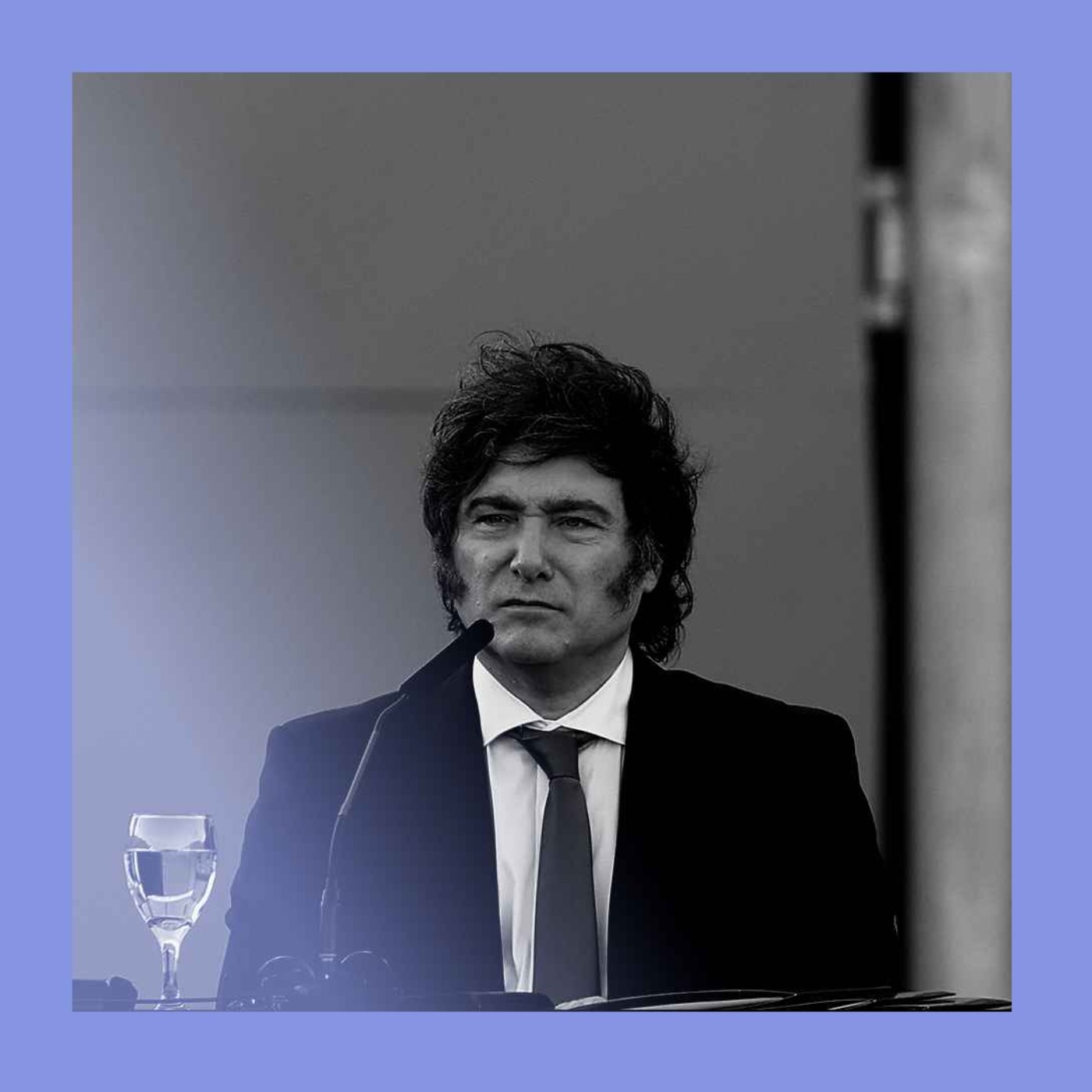
Unprecedented US financial support, likened to Draghi's "whatever it takes," has successfully created a circuit breaker for Argentina's negative market feedback loop. However, this support only addresses financial symptoms (FX and credit risk) and cannot solve the underlying political uncertainty about the government's ability to implement reforms.

President Javier Milei’s radical 'shock therapy'—slashing government spending, cutting subsidies, and deregulating markets—triggered a dramatic economic turnaround. Despite initial pain, inflation collapsed and the poverty rate fell from over 50% to 31.6%, showcasing the power of free-market reforms.

Despite Javier Milei's iconoclastic image, his economic program is run by a highly respected, conventional team of technocrats, many from the previous reformist administration. This creates a separation between his "Trumpy" political style and the orthodox, IMF-style stabilization policies being implemented.

Javier Milei's political strategy relies on highlighting the threat of the Peronists returning to power. This tactic, however, amplifies the exact political instability that deters long-term investment. By constantly reminding markets of the risk of policy reversal, he inadvertently reinforces the country's chronic boom-bust economic cycle.
Despite a dismal net approval rating near -30, Argentina's Javier Milei remains the slight favorite for re-election. This is because his most likely challenger suffers from similarly low ratings. This political stalemate, where voters dislike the primary options, creates an opportunity for third-party candidates to gain unexpected support.
Argentina's President Milei achieved a budget surplus by slashing government payrolls. This forced former state employees into the private sector, where they must contribute to the "productive economy" by creating goods or services people will pay for. This painful but effective strategy revitalized the nation's finances.

Knowing they would perform well in Buenos Aires, the Peronist party strategically held an early local election. They correctly anticipated President Milei would over-promise on his party's performance, creating a negative market reaction when he under-delivered, thereby executing a "perfectly executed attack" on his program's stability.
Stagflation (high inflation and high unemployment) is a central banker's worst nightmare because it breaks the "divine coincidence." The Fed cannot raise rates to fight inflation without hurting employment, or cut rates to boost jobs without worsening inflation, creating an impossible trade-off.

Unlike countries with no recent memory of economic collapse, nations like Greece, Spain, and Italy—and potentially now Argentina—that have endured hyperinflation are more likely to elect reformist governments. The population internalizes the cost of fiscal irresponsibility and votes to avoid repeating the disaster.