Get your free personalized podcast brief
We scan new podcasts and send you the top 5 insights daily.
Despite his libertarian ideals and campaign rhetoric branding China's leadership as "assassins," President Milei has pragmatically deepened trade relations. This flexibility secured a vital $19 billion currency swap line, demonstrating that even ideologically driven leaders must adapt to geopolitical and economic realities, particularly with major trading partners.

Related Insights
The US Treasury's intervention to stabilize the Argentine peso was likely motivated by President Trump's desire to support a key political ally, Javier Milei, rather than specific US economic interests like shale gas or IMF stability.

The U.S. Treasury's purchase of $2 billion in Argentine pesos before the election was more than a currency stabilization effort; it was a strategic political endorsement of President Malé that paid off. The move provided crucial support and, with the peso strengthening post-election, could even turn a profit for the U.S.

The US intervention in Argentina is less about economics and more about foreign policy. By supporting libertarian president Javier Milei, the US aims to create a capitalist success story in South America, shoring up its regional influence and pushing back against China's 'debt-trap' diplomacy.

Despite his party holding very few seats in Congress, President Javier Milei successfully enacts his agenda by maintaining enormous popular support. This pressures opposition parties to cooperate, as they fear voter backlash if they are seen to obstruct his popular policies.
Despite Javier Milei's iconoclastic image, his economic program is run by a highly respected, conventional team of technocrats, many from the previous reformist administration. This creates a separation between his "Trumpy" political style and the orthodox, IMF-style stabilization policies being implemented.

Javier Milei's political strategy relies on highlighting the threat of the Peronists returning to power. This tactic, however, amplifies the exact political instability that deters long-term investment. By constantly reminding markets of the risk of policy reversal, he inadvertently reinforces the country's chronic boom-bust economic cycle.
Despite political instability and antagonistic rhetoric from the Trump administration, US investment in Latin America has boomed. This is not due to traditional economic incentives but is a strategic countermove to China's established presence, turning the region into a financial battleground for global powers.
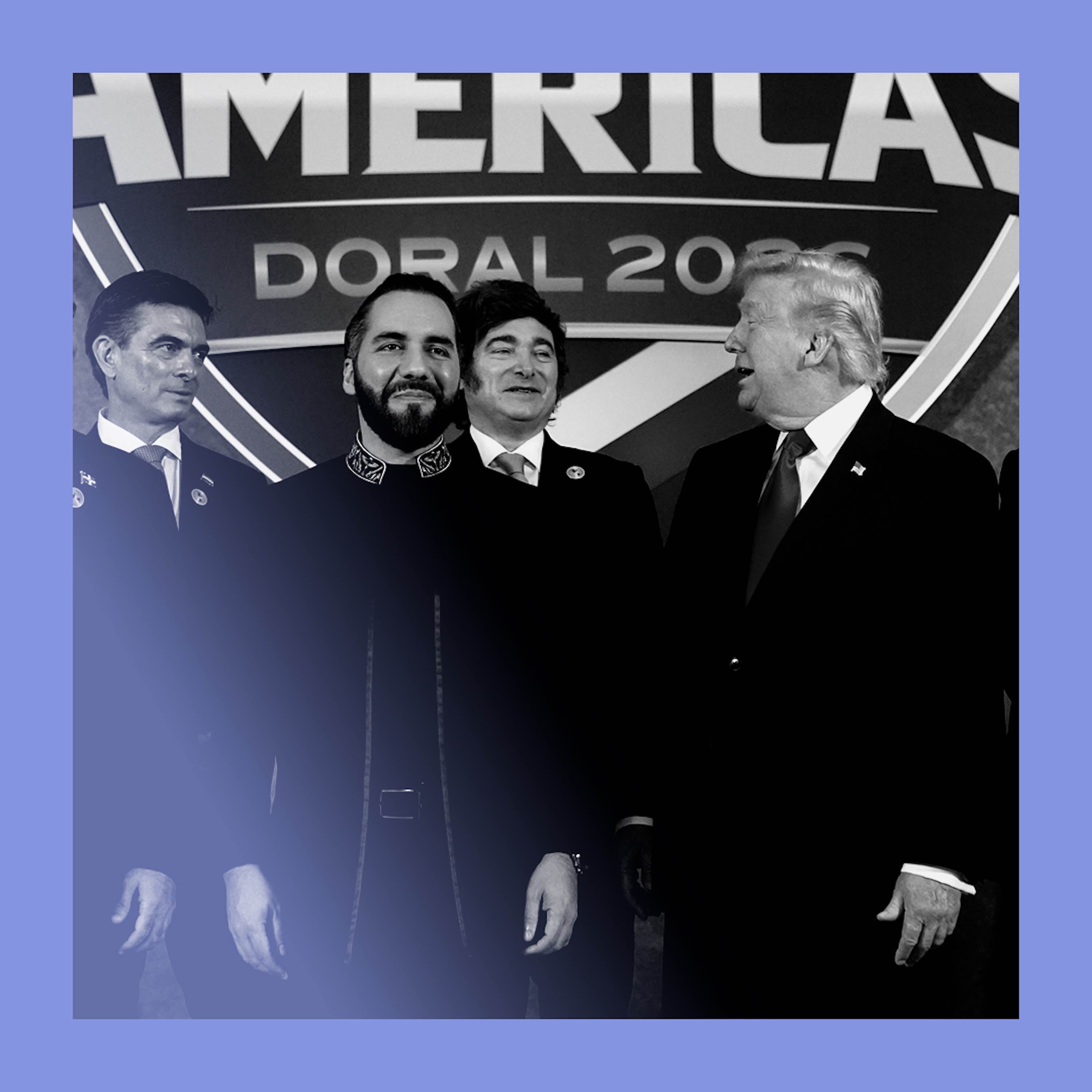
China's strategy in Latin America is not just about oil and loans. It includes extensive sales of military equipment, intelligence sharing, pushing its 5G and Beidou satellite systems, and even foreign aid. This deep, multi-faceted integration makes its presence resilient, even with setbacks like Venezuela.

The latest U.S. National Security Strategy drops confrontational rhetoric about China as an ideological threat, instead framing the relationship around economic rivalry and rebalancing. This shift prioritizes tangible deals over promoting American values globally, marking a departure from Reagan-era foreign policy.

The U.S. is shifting from multilateral institutions to direct financial action as a foreign policy tool. The unprecedented $20 billion bailout for Argentina, replacing the typical role of the IMF, demonstrates a new strategy of using America's financial might to directly support ideologically aligned foreign leaders.