Get your free personalized podcast brief
We scan new podcasts and send you the top 5 insights daily.
Media outlets maintain a list of reliable, articulate guests. By delivering a compelling and well-prepared interview, you can become a go-to source for that outlet, securing numerous future media opportunities from a single successful appearance.

Related Insights
Companies often default to using senior executives as spokespeople, assuming title equals authority. However, audience engagement is driven by delivery and personality, not job title. Prioritize employees who are naturally compelling speakers—even if junior—to create more effective content like webinars and podcasts.

Instead of waiting for speaking invitations, build your brand by creating your own platforms. Guest Goldie Chan established her LinkedIn authority by proactively organizing and hosting the first LinkedIn creator summit at VidCon, which then opened doors to more opportunities.

A simple AI prompt can transform your press release into a list of challenging interview questions from a journalist's perspective. This helps you anticipate and prepare for difficult lines of questioning that your internal team might miss.
The best way to get noticed by hiring managers is to demonstrate your expertise in a real-world setting, like a webinar or a public project. This acts as a powerful, unsolicited interview, proving your value and legitimacy before a formal process even begins.

Podcast interviews are a powerful tool for building relationships with otherwise inaccessible decision-makers and mentors. Offering someone a platform to share their expertise is a more effective way to get their attention than a cold email, creating genuine connections and business opportunities.

The best interviews aren't about one person dominating. They're like a long tennis rally where both participants hit the ball hard but aim to keep the conversation going, creating a more engaging and insightful exchange for the audience.

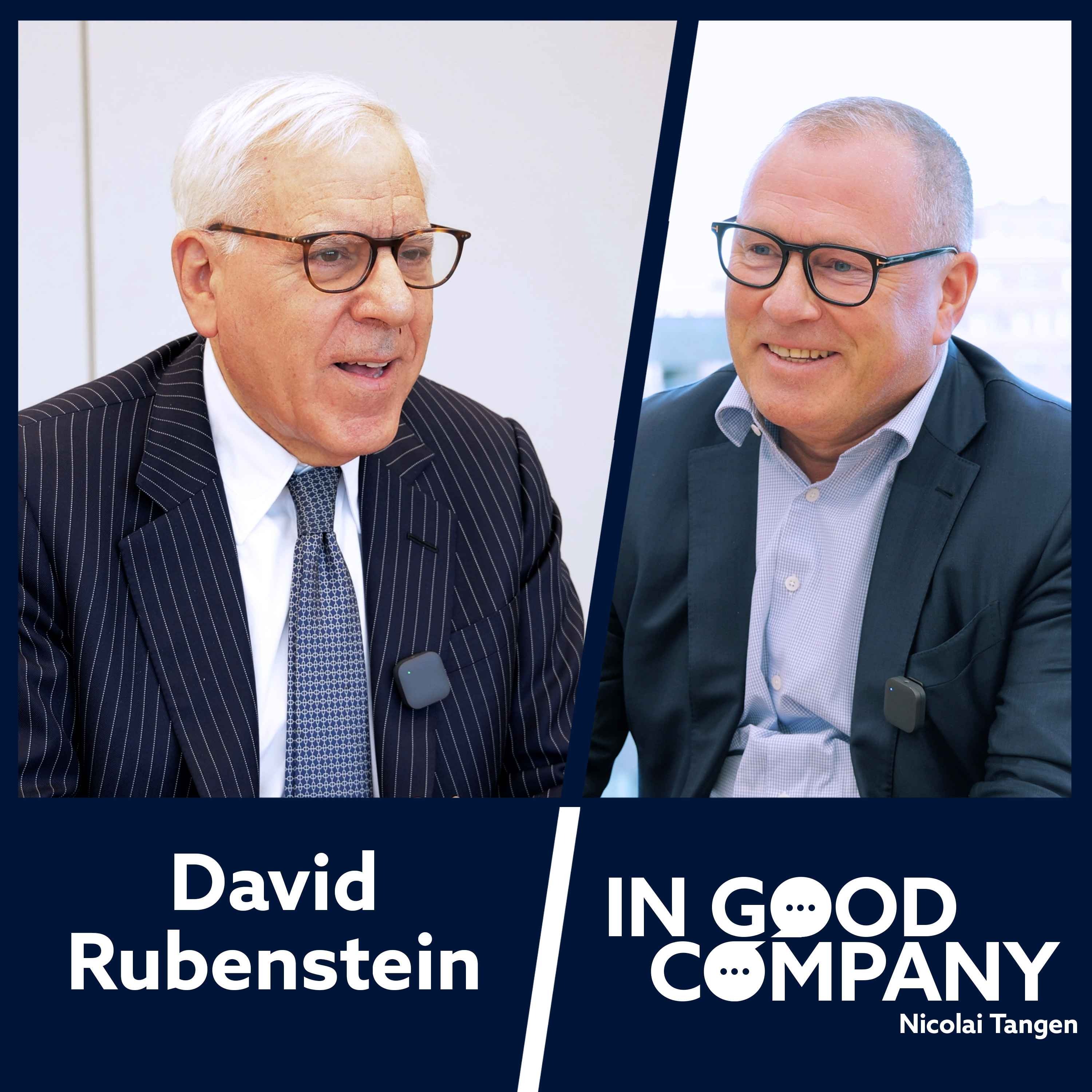
Citing Oprah Winfrey, Rubenstein argues the key to great interviewing is not having the best questions but being a great listener. True listening allows the interviewer to pivot and follow up on unexpected answers, turning a rigid Q&A into a genuine conversation that uncovers far deeper insights than a prepared script ever could.
Event programmers place immense value on recommendations from speakers they already know and trust. Building relationships with established speakers can lead to warm introductions that are far more effective than cold submissions, giving your proposal immediate credibility and a closer look.

The media landscape has shifted; print journalists now frequently arrive with cameras to capture video for online articles and social media. Spokespeople must be camera-ready for every media interaction, as any interview can become a video segment.
Mentalist Oz Perlman landed more airtime on CNBC than any CEO by tailoring his performance to the network's world: stocks, bonds, and markets. By making his craft relevant to their audience's interests, he became indispensable. To capture attention, obsessively focus on the other person's context and needs.