Get your free personalized podcast brief
We scan new podcasts and send you the top 5 insights daily.
There are distinct influencer accents for different goals. 'Lifestyle' influencers use a cozy, slower pace for parasocial connection. 'Educational' influencers use a faster, authoritative, staccato style to be perceived as a trusted source, not a relatable friend.

Related Insights
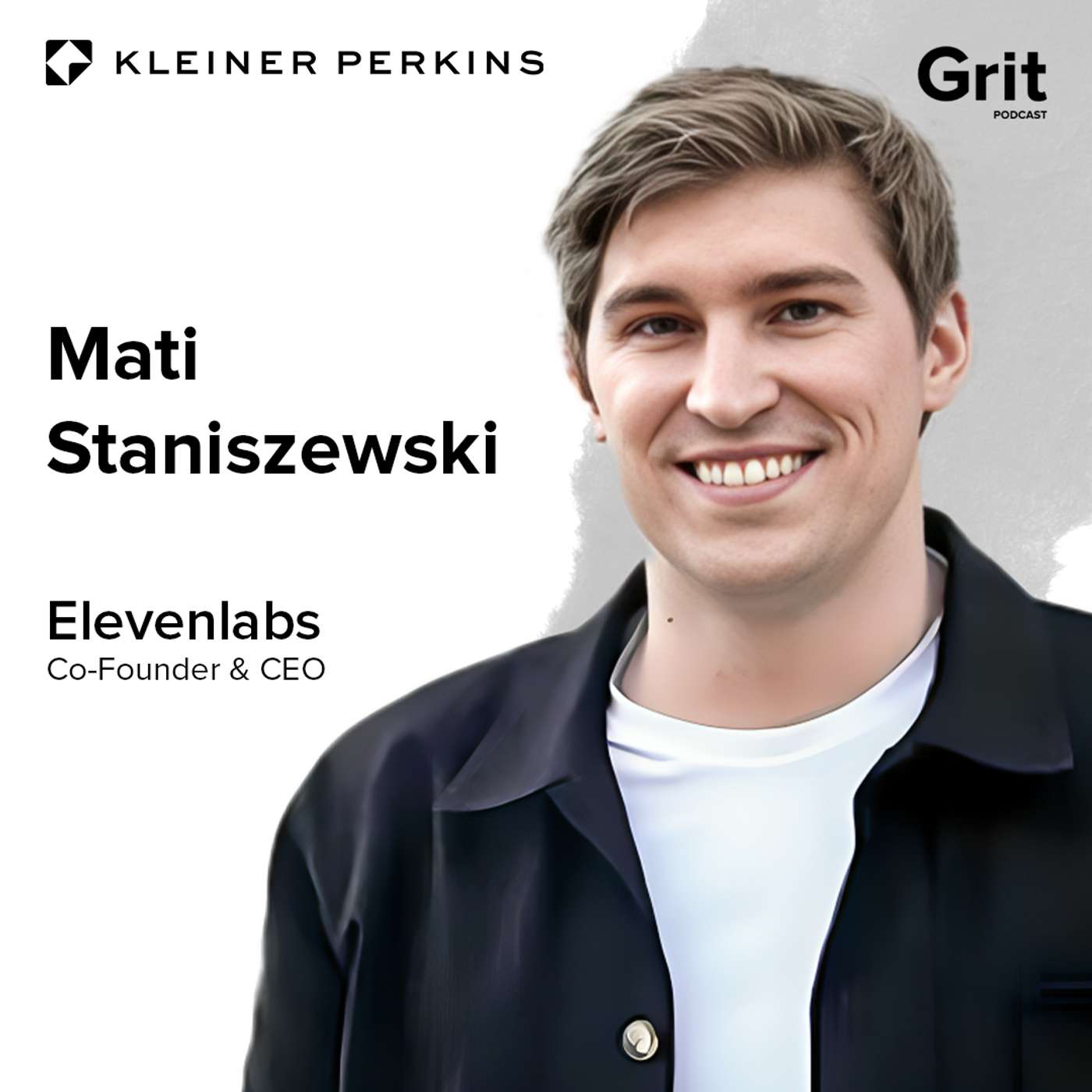
A one-size-fits-all AI voice fails. For a Japanese healthcare client, ElevenLabs' agent used quick, short responses for younger callers but a calmer, slower style for older callers. This personalization of delivery, not just content, based on demographic context was critical for success.
You don't need to be the world's leading expert to build a loyal following. It's more effective to be hyper-relatable to a specific demographic. A follower wants to see someone like them who is just a few steps ahead, making the advice feel more attainable and trustworthy than guidance from a detached, elite expert.

Text-to-speech technology is positioned as a strategic tool for optimization. The ability to quickly generate multiple voice variations for the same content allows marketers and creators to A/B test different tones and personas to see what resonates best with their audience, integrating voice into conversion strategy.

Just as people adapt speech for different social settings, online platforms like LinkedIn, X (Twitter), and TikTok are distinct environments or 'houses' that cultivate their own specific dialects, communication norms, and linguistic expectations for users.
Treat your vocal tone as a strategic tool, much like a DJ chooses music. To create a calm, receptive atmosphere, adopt a soft "James Taylor" tone. This analogy helps you consciously modulate your voice to influence the listener's emotional state, separate from the words you choose.

Brands find smaller, specialized creators outperform macro-influencers because consumers now prioritize relatability over fame. This shift makes micro-influencers a more authentic, engaging, and cost-effective marketing channel for driving conversions and awareness.

Salespeople often adopt a higher-pitched, strained voice, believing it sounds more professional. However, listeners perceive this as inauthentic and untrustworthy, causing them to subconsciously disengage. True connection comes from a natural, relaxed tone, as your voice is an 'instrument of the heart' that reveals your genuine state.

Features like uptalk and vocal fry in the 'lifestyle influencer' voice are not just for relatability but are algorithmic hacks. Dragging out syllables, a linguistic tactic called 'floor holding,' prevents dead air and keeps viewers engaged, boosting retention metrics.
The dominant accents on a platform, like the 'lifestyle influencer' voice, are preserved through a 'linguistic founder effect.' New creators adopt the speech patterns of the platform's successful pioneers, passing the style down through generations of content.
Talking too fast (like a "New Yorker in California") isn't just a stylistic mismatch; it implicitly tells the customer the relationship is about you, not them. Adjusting your pace is a powerful, non-verbal way to demonstrate empathy and show you are willing to meet them in their world.
