Get your free personalized podcast brief
We scan new podcasts and send you the top 5 insights daily.
The dominant accents on a platform, like the 'lifestyle influencer' voice, are preserved through a 'linguistic founder effect.' New creators adopt the speech patterns of the platform's successful pioneers, passing the style down through generations of content.

Related Insights
By creating voiceless videos, Khabe Lame eliminated language barriers, allowing his content to be universally understood across the globe. This counter-intuitive approach was key to building the largest following on TikTok, proving that non-verbal communication can maximize reach on social platforms.

Just as people adapt speech for different social settings, online platforms like LinkedIn, X (Twitter), and TikTok are distinct environments or 'houses' that cultivate their own specific dialects, communication norms, and linguistic expectations for users.
There are distinct influencer accents for different goals. 'Lifestyle' influencers use a cozy, slower pace for parasocial connection. 'Educational' influencers use a faster, authoritative, staccato style to be perceived as a trusted source, not a relatable friend.
Tabitha Brown was taught to "code-switch"—altering her voice and demeanor—to be accepted in corporate America and Hollywood. This survival mechanism suppressed the very accent and personality that later became her biggest asset and point of connection with her global audience.
Substack's founder doesn't see it as replacing other social networks but as a distinct "city" with a unique culture—intellectual and cosmopolitan. This framing attracts a specific type of user and creator, differentiating it from "cities" like TikTok or Twitter.
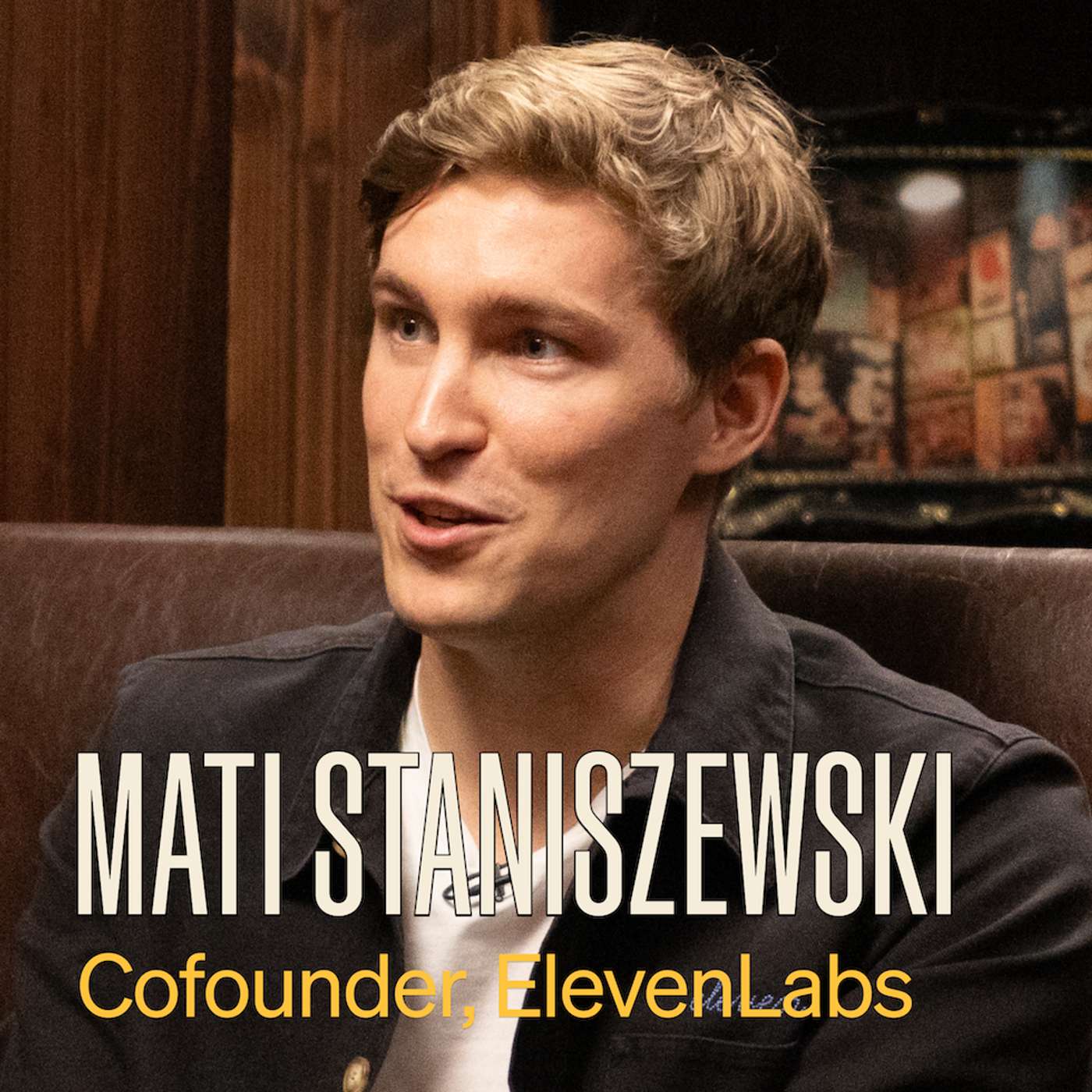
Startups like ElevenLabs and Midjourney compete with large AI labs by imbuing their models with a founder's specific 'taste.' This unique aesthetic, from voice texture to image style, creates a product identity that is difficult for a general, large-scale model to replicate.

Features like uptalk and vocal fry in the 'lifestyle influencer' voice are not just for relatability but are algorithmic hacks. Dragging out syllables, a linguistic tactic called 'floor holding,' prevents dead air and keeps viewers engaged, boosting retention metrics.
Early voice models required hardcoding parameters like accent or emotion. Modern models, like those from ElevenLabs, learn these nuances contextually from data, allowing complex traits like a specific accent to emerge naturally without being explicitly programmed.
Apple's highly formulaic communication style has created a perfect training corpus for LLMs. Consequently, AI can replicate its brand voice so flawlessly that human-written and AI-generated content become indistinguishable, presenting a unique challenge for brand authenticity.

We each have an 'idiolect,' a personal dialect shaped by our unique background, education, and social circles. This linguistic footprint is so distinct that it can serve as an identifier, famously helping to catch the Unabomber based on his idiosyncratic phrasing.