Get your free personalized podcast brief
We scan new podcasts and send you the top 5 insights daily.
While the market focused on crypto and metaverse, ElevenLabs targeted audio. They saw it as an overlooked domain with fewer researchers and smaller model sizes, allowing them to build a frontier model without needing billions in initial capital. This strategic niche selection was key to their early success.

Related Insights
Voice AI company ElevenLabs' rapid scaling to $330M ARR defies the narrative that large labs will dominate all AI verticals. Their singular focus allows them to build a superior, more opinionated "best-in-class" product that generalist models cannot easily replicate.

To solve for emotional intelligence in voice AI, ElevenLabs invests in long-term data annotation. They employ over 1,000 former voice coaches and musicians to label qualitative aspects of audio—the 'how' (emotion, style), not just the 'what' (words). This creates a proprietary dataset that is a significant long-term competitive advantage.
By starting before the ChatGPT boom, ElevenLabs secured two key advantages: less competition for top research talent, allowing them to hire "true missionaries," and a crucial head start to develop their technology before the market became saturated with competitors.
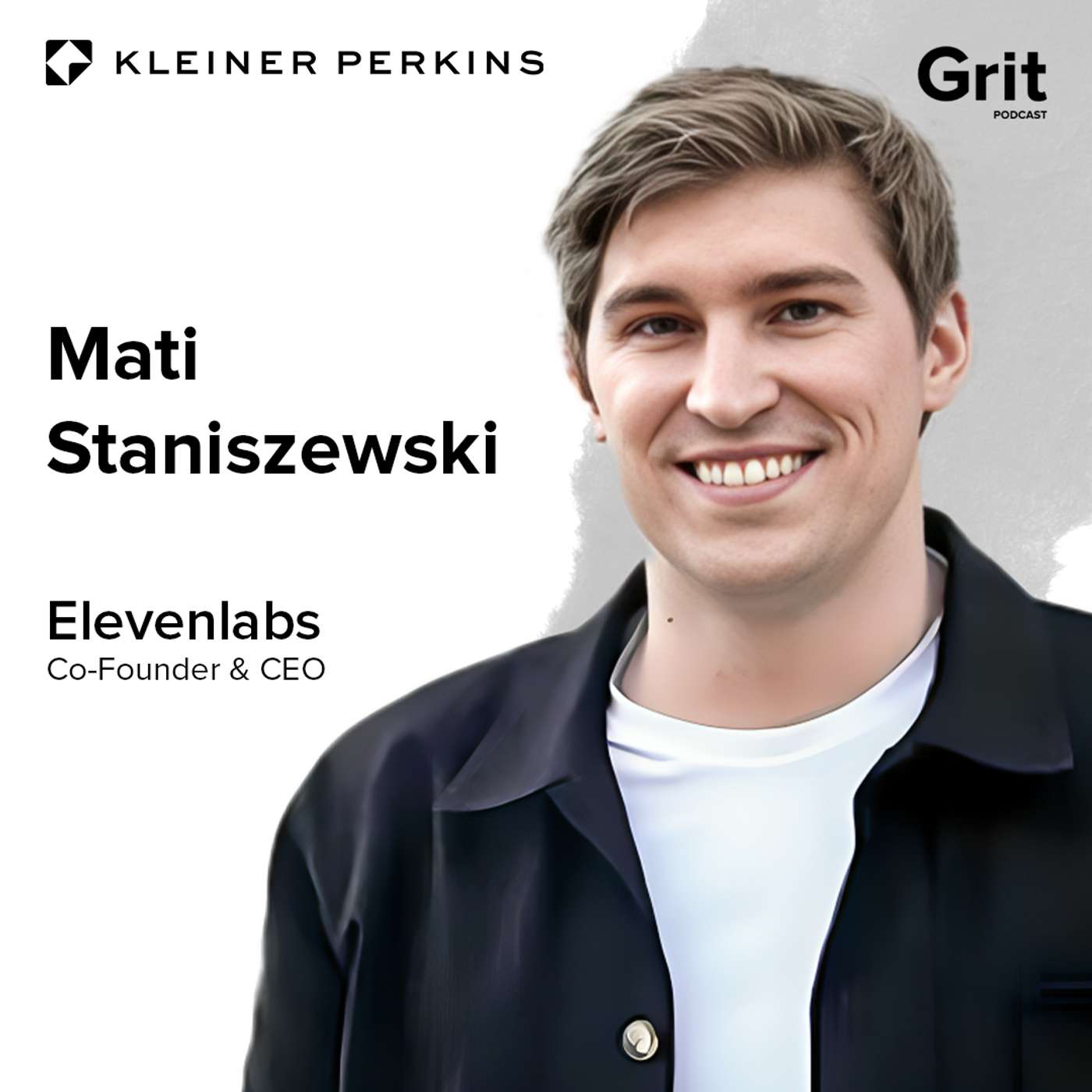
Unlike LLMs, where performance often scales with size, specific voice AI applications appear to have an optimal parameter count. For tasks like audiobook narration, ElevenLabs believes it has found the size sweet spot, where making models larger yields diminishing returns on quality, suggesting different scaling laws for specialized AI.
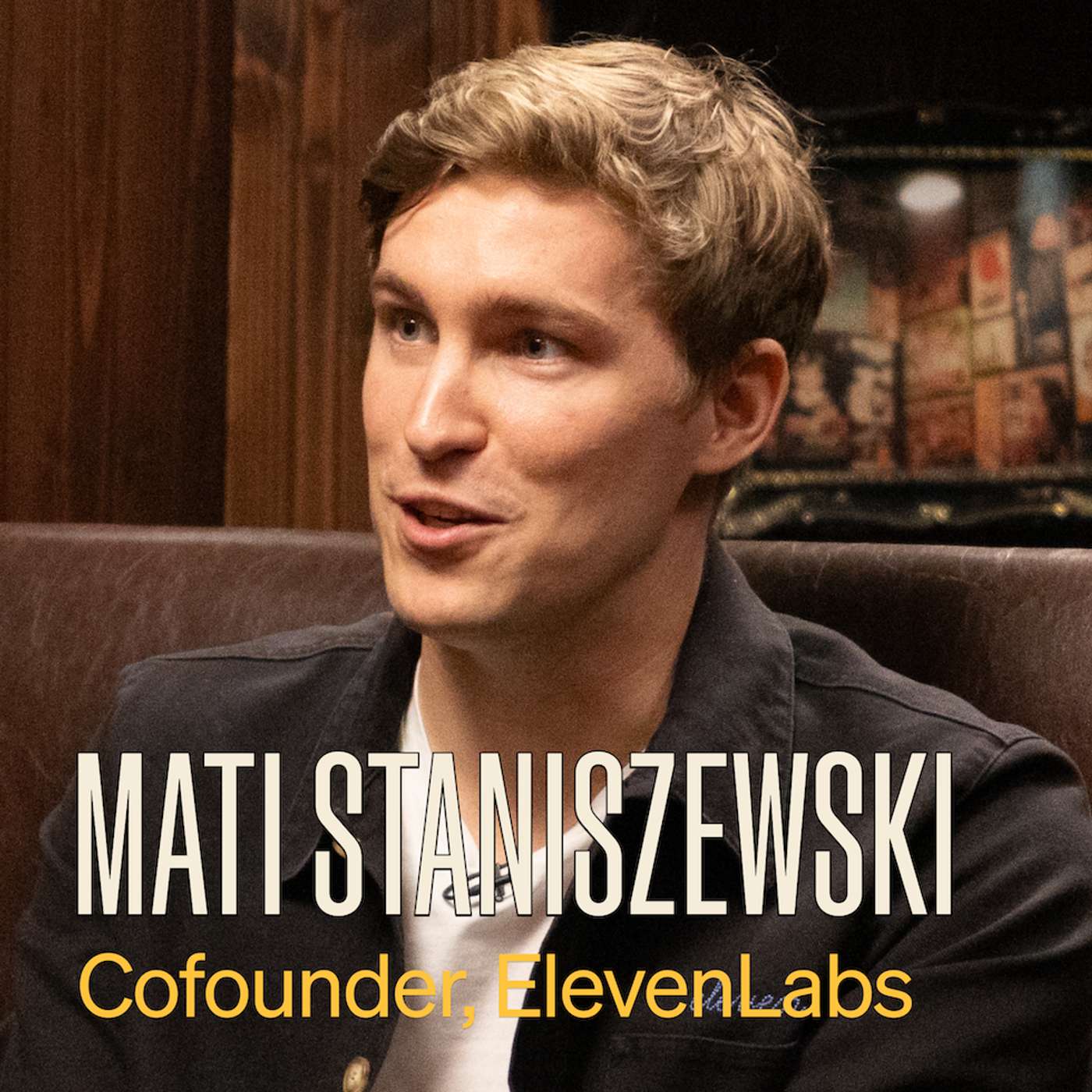
11 Labs operates as a research lab, enterprise company, and consumer app simultaneously. This multi-pronged approach, while seemingly unfocused, allows them to dominate the entire audio vertical by controlling the full stack from foundational models to end-user applications.

The company's founding insight stemmed from the poor quality of Polish movie dubbing, where one monotone voice narrates all characters. This specific, local pain point highlighted a universal desire for emotionally authentic, context-aware voice technology, proving that niche frustrations can unlock billion-dollar opportunities.

Public focus on capital-intensive LLMs from companies like OpenAI obscures the true market landscape. A bigger opportunity for venture investment lies in the "long tail"—a vast ecosystem of companies building specialized generative models for specific modalities like images, video, speech, and music.

While large language models are a game of scale, ElevenLabs argues that specialized AI domains like audio are won through architectural breakthroughs. The key is not massive compute but a small pool of elite researchers (estimated at 50-100 globally). This focus on talent and novel model design allows a smaller company to outperform tech giants.
Despite the dominance of large AI labs, they face constraints in compute, talent, and focus. Startups can thrive by building highly specialized products for verticals the big players deem too niche. This focused approach allows them to build better interfaces and achieve deeper market penetration where giants won't prioritize competing.

CEO Mati Staniszewski co-founded ElevenLabs after being frustrated by the Polish practice of dubbing foreign films with a single, monotonous voice. This hyper-specific, personal pain point became the catalyst for building a leading AI voice company, proving that massive opportunities can hide in niche problems.