Get your free personalized podcast brief
We scan new podcasts and send you the top 5 insights daily.
Voice AI company ElevenLabs' rapid scaling to $330M ARR defies the narrative that large labs will dominate all AI verticals. Their singular focus allows them to build a superior, more opinionated "best-in-class" product that generalist models cannot easily replicate.
Related Insights
The explosive growth of AI applications like ElevenLabs is driven by a step-function change in value. They replace processes that cost thousands of dollars and weeks of time with a solution that costs $30 and takes 10 minutes. This massive ROI compression makes adoption a no-brainer for customers.

ElevenLabs' defense against giants isn't just a better text-to-speech model. Their strategy focuses on building deep, workflow-specific platforms for agents and creatives. This includes features like CRM integrations and collaboration tools, creating a sticky application layer that a foundational model alone cannot replicate.
The fear that large AI labs will dominate all software is overblown. The competitive landscape will likely mirror Google's history: winning in some verticals (Maps, Email) while losing in others (Social, Chat). Victory will be determined by superior team execution within each specific product category, not by the sheer power of the underlying foundation model.

Startups like NextVisit AI, a note-taker for psychiatry, win by focusing on a narrow vertical and achieving near-perfect accuracy. Unlike general-purpose AI where errors are tolerated, high-stakes fields demand flawless execution. This laser focus on one small, profound idea allows them to build an indispensable product before expanding.

While large language models are a game of scale, ElevenLabs argues that specialized AI domains like audio are won through architectural breakthroughs. The key is not massive compute but a small pool of elite researchers (estimated at 50-100 globally). This focus on talent and novel model design allows a smaller company to outperform tech giants.

Despite the power of large foundation models from OpenAI and Anthropic, specialized AI companies like Cursor are succeeding. This suggests the AI market is a rapidly expanding pie, not a winner-take-all environment, where "transcendent" companies with superior product execution can capture significant value.
Startups like ElevenLabs and Midjourney compete with large AI labs by imbuing their models with a founder's specific 'taste.' This unique aesthetic, from voice texture to image style, creates a product identity that is difficult for a general, large-scale model to replicate.
YC Partner Harsh Taggar suggests a durable competitive moat for startups exists in niche, B2B verticals like auditing or insurance. The top engineering talent at large labs like OpenAI or Anthropic are unlikely to be passionate about building these specific applications, leaving the market open for focused startups.

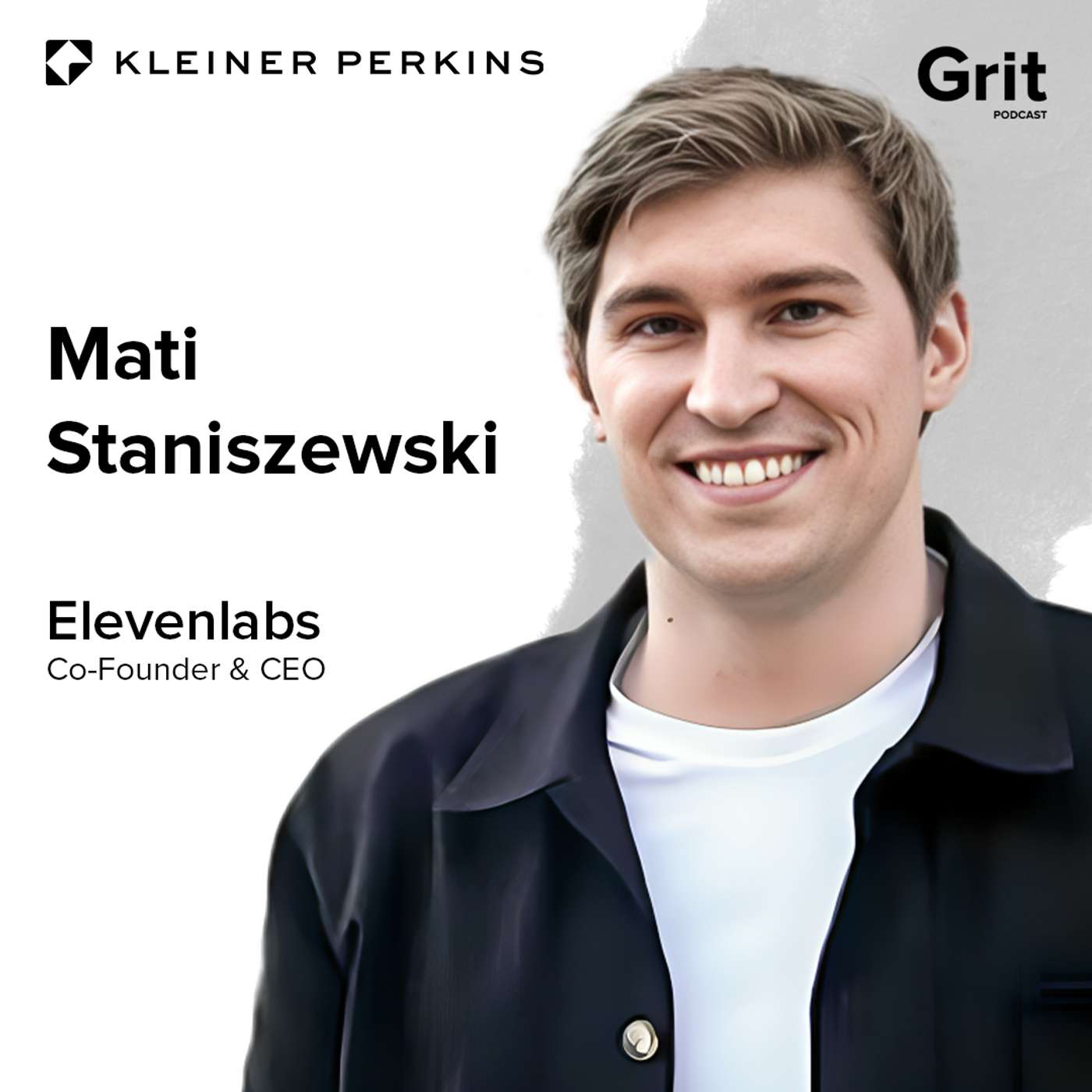
CEO Mati Staniszewski co-founded ElevenLabs after being frustrated by the Polish practice of dubbing foreign films with a single, monotonous voice. This hyper-specific, personal pain point became the catalyst for building a leading AI voice company, proving that massive opportunities can hide in niche problems.
Contrary to typical advice, ElevenLabs targeted multiple customer segments simultaneously. This worked because they first built a best-in-class foundational AI model, attracting diverse users. They then hired founder-type leaders to own and grow each vertical-specific product, treating them as separate business units.
