Get your free personalized podcast brief
We scan new podcasts and send you the top 5 insights daily.
Instead of lining up for a limited-edition Kith jacket, the host successfully proposed sending the brand money upfront to hold, creating a personal VIP list. This strategy secures access to high-demand items by providing the brand with float.

Related Insights
Creating urgency with limited product drops erodes trust if the scarcity isn't real. To maintain this marketing lever for the long term, brands must be willing to actually stock out and let customers miss out, which reinforces the hype for future launches.

Instead of viewing pre-orders as a customer inconvenience, a founder was advised to reframe them as a community-building tool. By being transparent and offering a small discount, a brand can create loyal early supporters who feel invested in the company's journey.

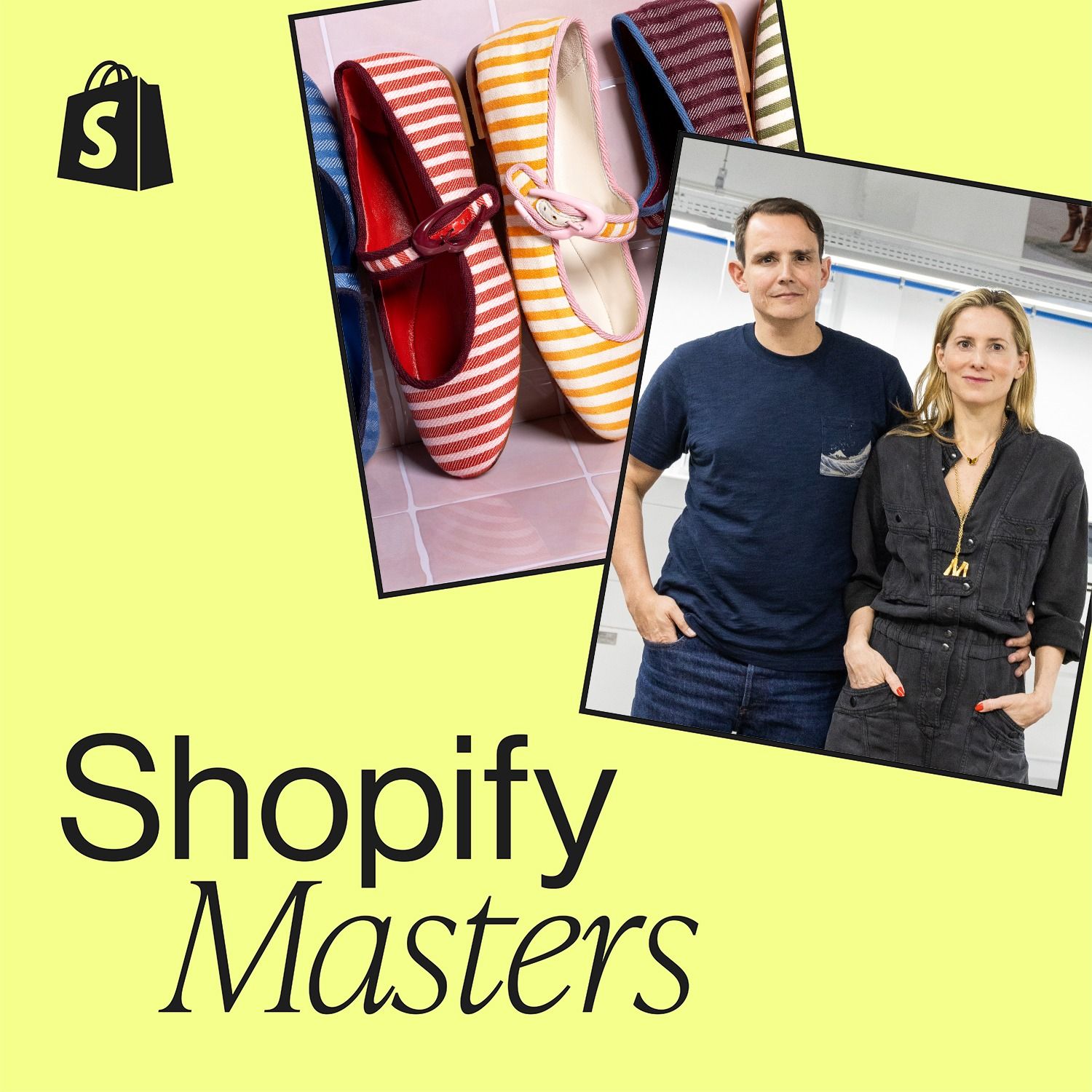
Instead of discounting old inventory, Larroudé offers a pre-order discount on new collections, similar to an early-bird airline ticket. This "direct-to-demand" model incentivizes customers to commit early, which funds production, eliminates excess inventory risk, and improves the brand's cash flow and profitability.
Comfort offers customers a discount to 'pre-order' items, even if they are in stock, in exchange for waiting longer for delivery. This generates immediate, upfront cash flow that the bootstrapped company uses to fund large inventory purchase orders without external capital.

While pausing sales for 6 months to rebuild, Legora framed the delay as a consequence of overwhelming demand. They put new, signed customers into a "queue," creating scarcity and social proof that inadvertently made the product even more desirable by the time it was ready.

Starbucks' limited-edition items, like a "bearista" cup selling for $500 on eBay, create massive hype through engineered scarcity. This strategy shows that for certain brands, limited-run physical goods can be a more potent marketing tool than the core product itself, fostering a collector's frenzy and a lucrative secondary market.

Comms Hero has a strict policy of never selling its branded merchandise like hoodies and notepads. This makes the swag obtainable only through community participation, creating a powerful sense of exclusivity and turning simple items into coveted symbols of membership.

A fashion founder worried customers wouldn't wait for pre-orders. The advice was to test the model by launching a "limited drop" with rare fabric. This turns the wait time and scarcity into elements of exclusivity and storytelling, making a potential negative (waiting) into a desirable feature (exclusivity).
A powerful marketing gimmick involves launching a very small product batch to guarantee it sells out quickly. Brands then leverage this "sold out" status in press coverage to create a perception of high demand and build hype for subsequent, larger product releases.

The Swatch-AP watch release strategy—in-store only, one per person, with limited stock—is designed to generate massive secondary market demand. This turns the product launch into a profitable "hustle" for resellers who can exploit the manufactured scarcity to achieve returns of 5-12x the retail price.