Get your free personalized podcast brief
We scan new podcasts and send you the top 5 insights daily.
A powerful marketing gimmick involves launching a very small product batch to guarantee it sells out quickly. Brands then leverage this "sold out" status in press coverage to create a perception of high demand and build hype for subsequent, larger product releases.

Related Insights
Urgency is the primary driver of marketing performance. If a product, discount, or piece of content is perpetually available, it lacks compulsion and is not a true offer—it is simply a static feature. To motivate action, you must introduce scarcity by making its availability finite.

In a large-scale Facebook experiment for a chip deal, KFC Australia found the most effective slogan was not a creative tagline but a simple phrase invoking scarcity: "limited to four per customer." This demonstrates that basic psychological principles can be more persuasive and profitable than clever, brand-focused copywriting.

An explicit purchase limit (e.g., "maximum 4 per person") acts as a powerful signal of scarcity and value. It suggests the deal is so good the store might sell out or lose money. An experiment showed that adding a purchase limit to a beer offer increased the perception of it being a good value by 57%.

While pausing sales for 6 months to rebuild, Legora framed the delay as a consequence of overwhelming demand. They put new, signed customers into a "queue," creating scarcity and social proof that inadvertently made the product even more desirable by the time it was ready.

Starbucks' limited-edition items, like a "bearista" cup selling for $500 on eBay, create massive hype through engineered scarcity. This strategy shows that for certain brands, limited-run physical goods can be a more potent marketing tool than the core product itself, fostering a collector's frenzy and a lucrative secondary market.

Labeling a product 'Sold Out' instead of 'Out of Stock' or 'Unavailable' reduces customer irritation by 15%. 'Sold Out' implies popularity and high demand (social proof), whereas 'Out of Stock' suggests logistical failure and company ineptitude. This simple, costless language change reframes the entire situation.
Unlike brands that flood the market and rely on markdowns, Norwegian Wool carefully controls its distribution channels and production quantities. This ensures a high percentage of items sell at full price, creating real margins and a "fear of missing out" that drives early-season sales.

The "Kabuto King" strategy involves systematically buying every available unit of a common, low-value collectible. This manufactured scarcity, combined with social media promotion to create a meme, can dramatically drive up the price, turning a forgotten item into a valuable asset.

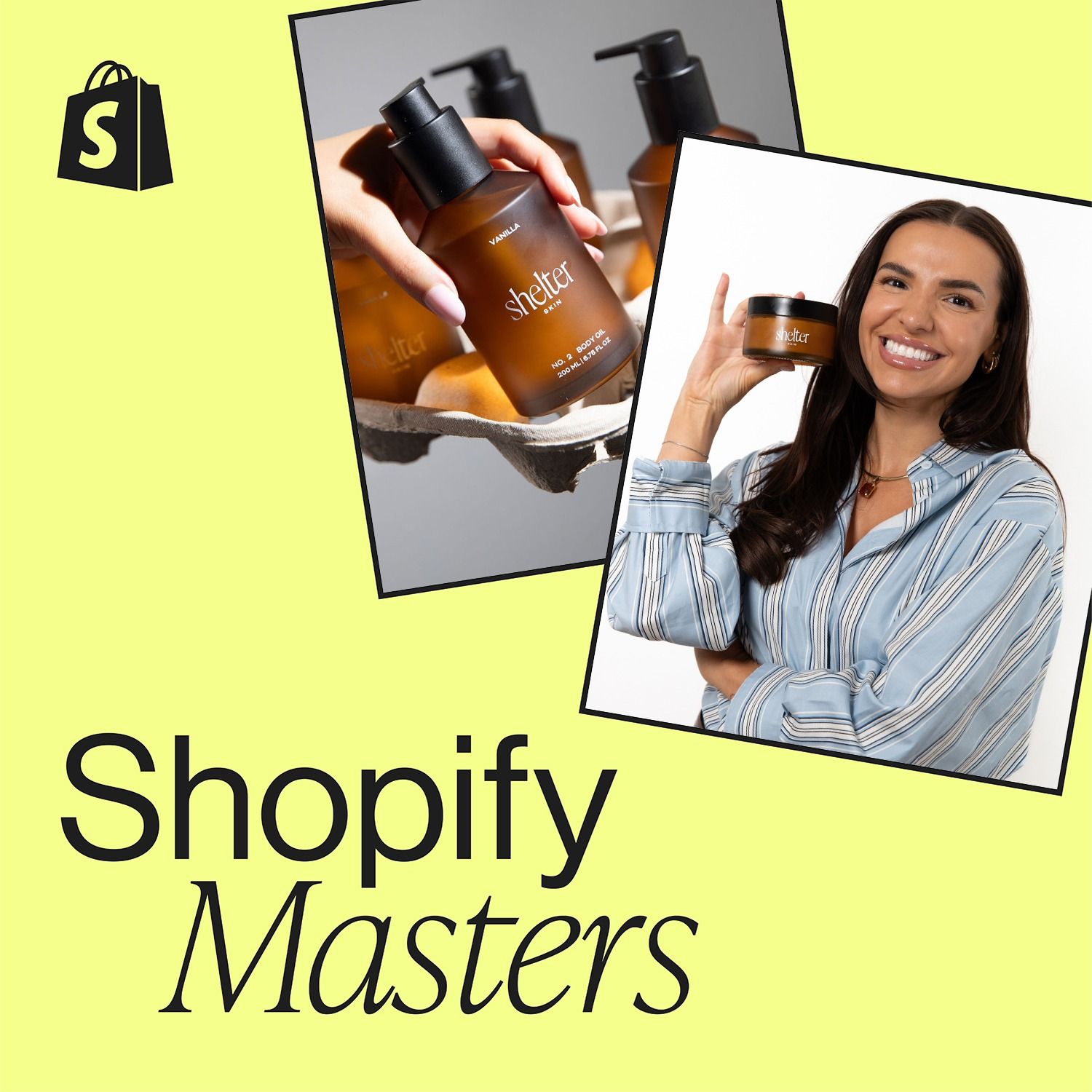
To avoid the operational chaos of viral success, Shelter Skin deliberately caps production to match what they can manufacture and ship themselves. This prevents them from overselling and allows for sustainable, bootstrapped growth, even if it means frustrating some customers with temporary stockouts.
Brands can strategically trigger Fear of Missing Out (FOMO) by imposing purchase limits, like 'limit 10 per customer'. Research shows this tactic is highly effective; shoppers will often buy, on average, 70% of the stated limit, even if they initially intended to buy far fewer items.
