Get your free personalized podcast brief
We scan new podcasts and send you the top 5 insights daily.
Instead of viewing pre-orders as a customer inconvenience, a founder was advised to reframe them as a community-building tool. By being transparent and offering a small discount, a brand can create loyal early supporters who feel invested in the company's journey.

Related Insights
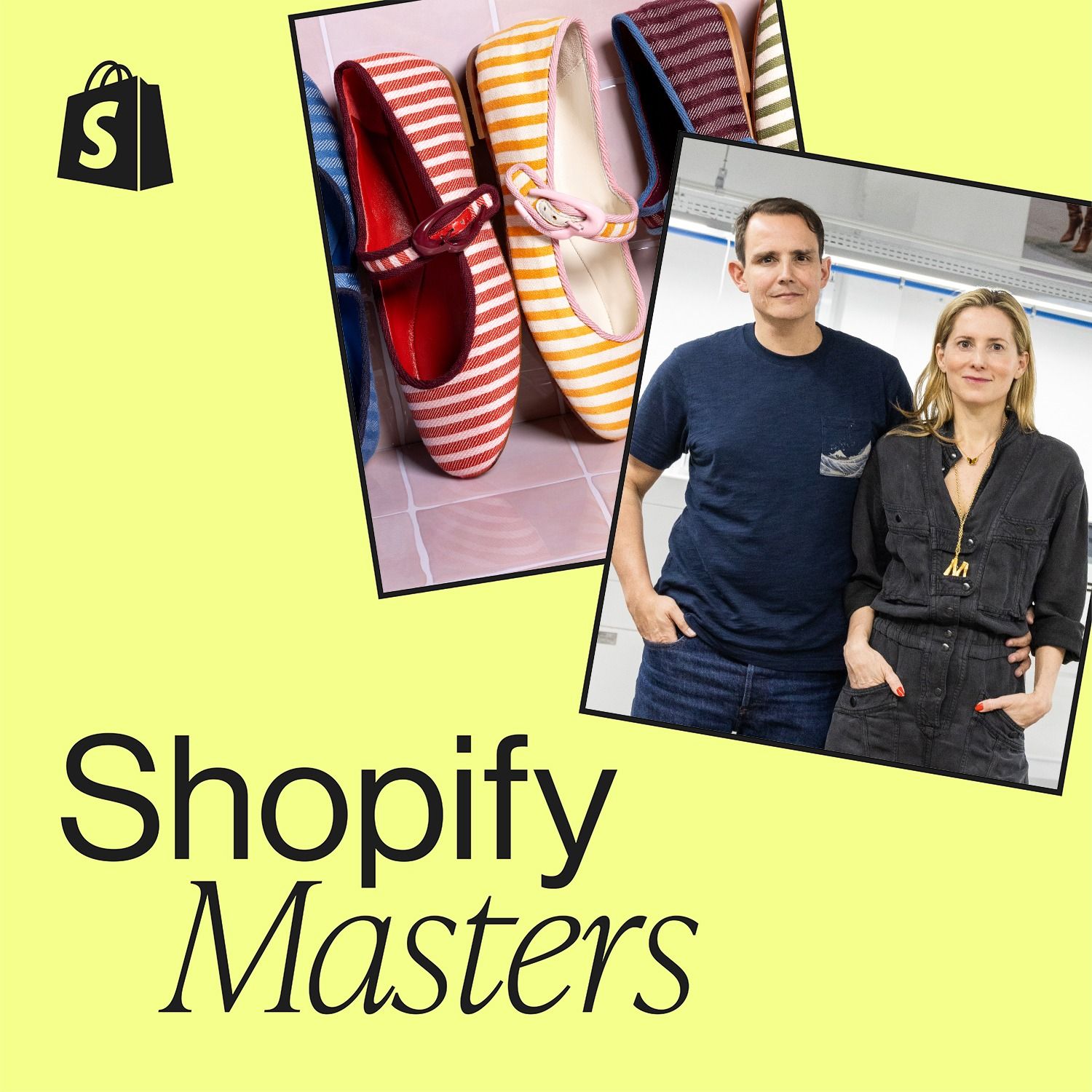
Instead of discounting old inventory, Larroudé offers a pre-order discount on new collections, similar to an early-bird airline ticket. This "direct-to-demand" model incentivizes customers to commit early, which funds production, eliminates excess inventory risk, and improves the brand's cash flow and profitability.
Comfort offers customers a discount to 'pre-order' items, even if they are in stock, in exchange for waiting longer for delivery. This generates immediate, upfront cash flow that the bootstrapped company uses to fund large inventory purchase orders without external capital.

Offer a significant, permanent discount exclusively to customers who sign up before a product or location officially launches. This creates urgency and scarcity, driving a large influx of initial customers and ensuring immediate profitability from day one.

Constantly discounting your main product trains customers to wait for sales and devalues your brand. Instead, splinter off a small component of your core offer and discount that piece heavily. This acquires customers and builds trust without cannibalizing the perceived value of your full-priced core offer.

Labeling a product 'Sold Out' instead of 'Out of Stock' or 'Unavailable' reduces customer irritation by 15%. 'Sold Out' implies popularity and high demand (social proof), whereas 'Out of Stock' suggests logistical failure and company ineptitude. This simple, costless language change reframes the entire situation.

When a customer just misses a new promotion, don't enforce the cutoff date rigidly. Giving them the promotional item costs little but generates immense goodwill, turning a potential complaint into a story of exceptional customer service and creating a loyal advocate.
Service-based businesses inherently have a limited capacity for new clients. Instead of viewing this as a weakness, small businesses should leverage it as a powerful and authentic form of scarcity in their marketing. Stating you only have capacity for a few more clients creates genuine urgency without fabricated deadlines.

Meadow Lane created a line out the door on day one by meticulously documenting its entire 17-month founding journey on social media. This strategy, echoing Disney's playbook for Disneyland, builds a loyal community and peaks demand before the product even exists.

Author Ramli John charged $40 for his "Early Readers Club." This pre-sold his book, generated $4-5k in revenue, and created a committed group of beta readers whose skin in the game led to invaluable, high-quality feedback that shaped the final product.
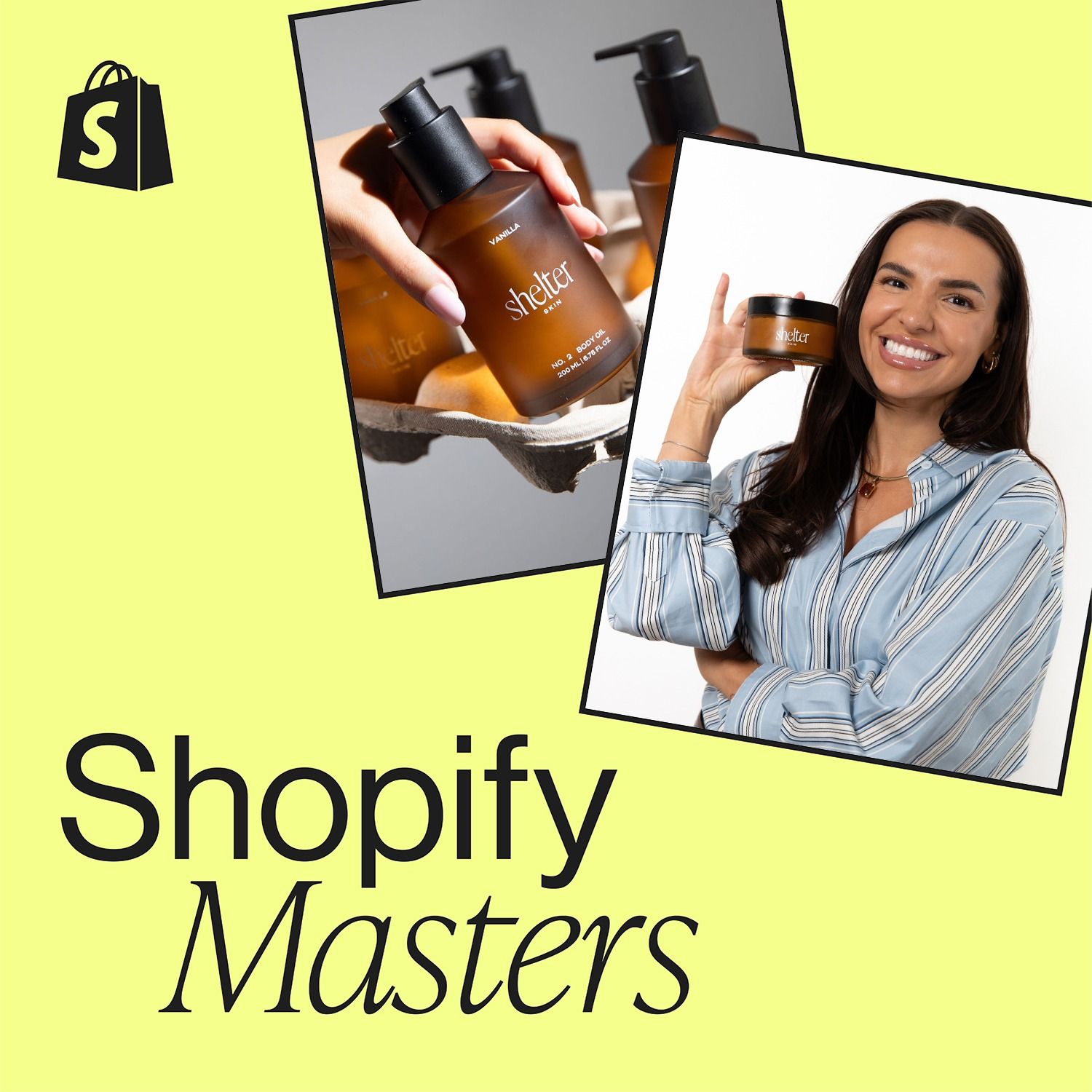
To avoid the operational chaos of viral success, Shelter Skin deliberately caps production to match what they can manufacture and ship themselves. This prevents them from overselling and allows for sustainable, bootstrapped growth, even if it means frustrating some customers with temporary stockouts.