Get your free personalized podcast brief
We scan new podcasts and send you the top 5 insights daily.
A fashion founder worried customers wouldn't wait for pre-orders. The advice was to test the model by launching a "limited drop" with rare fabric. This turns the wait time and scarcity into elements of exclusivity and storytelling, making a potential negative (waiting) into a desirable feature (exclusivity).

Related Insights
Creating urgency with limited product drops erodes trust if the scarcity isn't real. To maintain this marketing lever for the long term, brands must be willing to actually stock out and let customers miss out, which reinforces the hype for future launches.

Jaguar's goal is not to meet all initial demand. A situation where demand exceeds supply, creating wait times, is considered a "nice problem." This strategy of managed scarcity is crucial in the luxury auto market to avoid oversupply, which would destroy residual values and dilute the brand's exclusivity.

Instead of viewing pre-orders as a customer inconvenience, a founder was advised to reframe them as a community-building tool. By being transparent and offering a small discount, a brand can create loyal early supporters who feel invested in the company's journey.
When a product requires more user effort than competitors, frame that effort as a core benefit. For a complex baking kit, the longer prep time becomes a feature—an intentional 'flavor journey' and a chance to slow down, turning a potential negative into a premium experience.
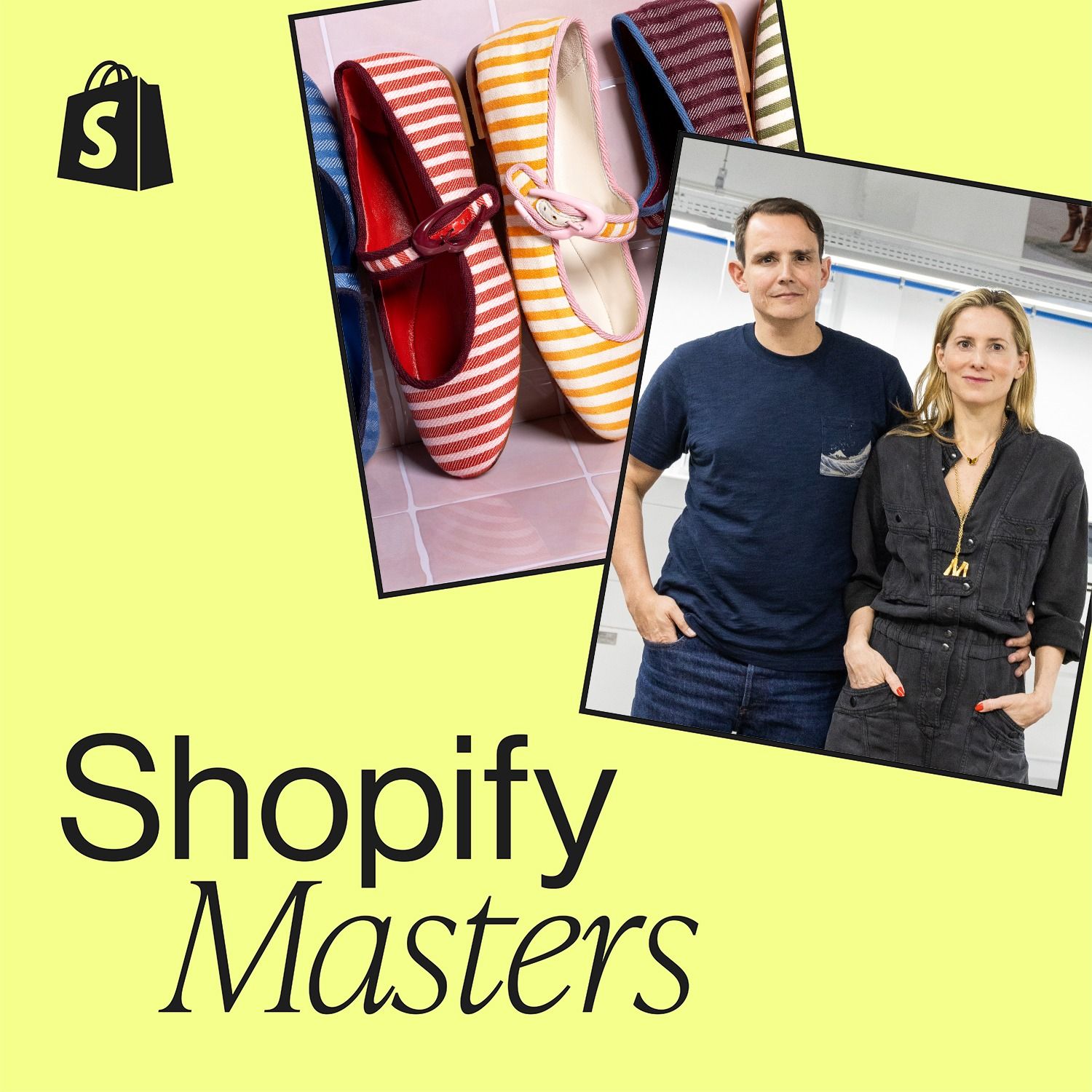
Instead of discounting old inventory, Larroudé offers a pre-order discount on new collections, similar to an early-bird airline ticket. This "direct-to-demand" model incentivizes customers to commit early, which funds production, eliminates excess inventory risk, and improves the brand's cash flow and profitability.
While pausing sales for 6 months to rebuild, Legora framed the delay as a consequence of overwhelming demand. They put new, signed customers into a "queue," creating scarcity and social proof that inadvertently made the product even more desirable by the time it was ready.

Fashion partnerships allow brands to quickly get physical products to market (6-9 months) and test consumer appetite. The "limited drop" model creates urgency and allows for experimentation—like "tapas instead of a big meal"—without the long lead times of other product categories.

Service-based businesses inherently have a limited capacity for new clients. Instead of viewing this as a weakness, small businesses should leverage it as a powerful and authentic form of scarcity in their marketing. Stating you only have capacity for a few more clients creates genuine urgency without fabricated deadlines.

Consumer psychology has shifted. The old tactic of "buy before it runs out" is less effective. Today, people want to be insiders and early adopters. Frame your offers around getting on an "insiders list" or being the "first to know" to tap into this powerful motivator.

A powerful marketing gimmick involves launching a very small product batch to guarantee it sells out quickly. Brands then leverage this "sold out" status in press coverage to create a perception of high demand and build hype for subsequent, larger product releases.