Get your free personalized podcast brief
We scan new podcasts and send you the top 5 insights daily.
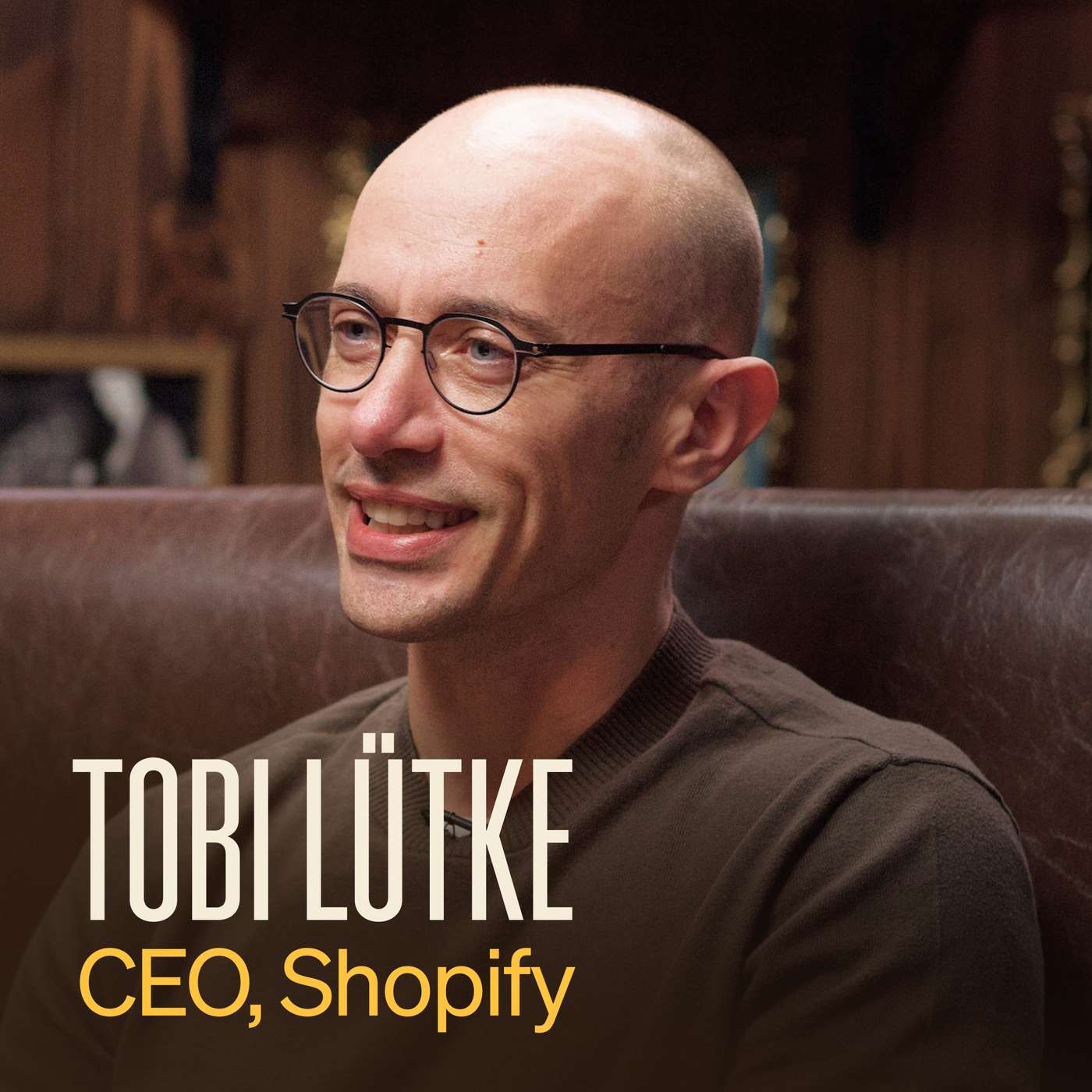
Having a centralized internal system where every project, goal, and update is tracked—like Shopify's GSD—sounds too simple to be a game-changer. However, it's a surprisingly effective foundation for organizational legibility and alignment at scale.
Related Insights
Combat strategic complexity by creating a one-page plan. This document connects your highest-level vision and values to tactical quarterly goals in a clear cascade (Vision -> Strategy/KPIs -> Annual Goals -> Quarterly Goals). This simple, accessible artifact ensures universal alignment and clarity on how individual work ladders up.

Square's public roadmap serves a dual purpose. While it informs customers, its primary internal function is to create accountability. Committing to features publicly forces the organization to deliver on its promises with speed and quality, preventing internal delays.

When Trello's PMM team shrank from ten members to two, the crisis forced them to build robust systems for tracking projects, assessing bandwidth, and prioritizing tasks. This extreme constraint became the necessary catalyst for developing a more strategic and organized workflow out of sheer survival.

Beneath the surface, sales 'opportunities,' support 'tickets,' and dev 'issues' are all just forms of work management. The core insight is that a single, canonical knowledge graph representing 'work,' 'identity,' and 'parts' can unify these departmental silos, which first-generation SaaS never did.

Pendo's CPO warns that scaling isn't just about replicating processes for more teams. Leaders must simultaneously build coordination systems (design reviews, clear communication) while fighting to maintain the "maniacal focus on the customer" and rapid innovation that characterize small teams.
To increase agility, Shopify is dismantling permanent teams tied to specific product surfaces. It's creating a centralized pool of high-impact individual contributors ('strategic ICs') who are deployed dynamically to own entire user journeys, a model exemplified by its acquisition of the MOLLY studio.

IBM uses a visual artifact called the "Golden Thread"—a living document showing product vision, value, and a feedback loop. This low-cost tool aligns diverse stakeholders, from the boardroom to developers, around outcomes instead of features, thereby de-risking innovation.

Contrary to the popular bottoms-up startup ethos, a top-down approach is crucial for speed in a large organization. It prevents fragmentation that arises from hundreds of teams pursuing separate initiatives, aligning everyone towards unified missions for faster, more coherent progress.

Retrofitting systems and standardizing incentive plans across a 1,400-person organization is immensely difficult. The key lesson is to implement enterprise-grade systems (like an ERP) and standardized processes when your company is still tiny. It's exponentially harder and more expensive to fix these issues at scale.

Developing internal tools, like a project management system, evolves a company's environment and workflows much faster than rolling out new policies, which require extensive communication and buy-in for adoption.