Get your free personalized podcast brief
We scan new podcasts and send you the top 5 insights daily.
Ambiguity is so intolerable that the mind will create nightmarish scenarios to fill the void. This explains why ghosting feels worse than direct rejection; a concrete negative allows for a plan, while uncertainty invites fantasized catastrophe.

Related Insights
It's a misconception that we inherently have more negative than positive thoughts. Negative thoughts simply command more of our attention because they are perceived by our brains as threats to survival. Your mind is wired to focus on and resolve these disruptive signals, making them feel more powerful and prevalent.

Research shows people are more stressed by a 50% chance of an electric shock than a 100% certainty of one. This reveals our profound aversion to ambiguity. For leaders, it means the uncertainty surrounding a change can be more debilitating for teams than the negative change itself.
Without exposure to life-threatening dangers, our threat-detection systems recalibrate to modern social stressors. Social isolation or being ghosted can trigger the same primal fear response as a physical predator, leading to chronic anxiety.

A study found participants were more stressed by a 50% chance of an electric shock than a 100% chance. This shows we are wired to find uncertainty more painful than a guaranteed negative outcome. In business, this discomfort with the unknown can lead to paralysis and inaction.

Neuroscience shows uncertainty triggers a threat response, killing creativity and collaboration. A confirmed negative outcome, however, allows the brain to switch from emotional processing to rational problem-solving, making clarity more important than certainty for employee well-being.

Humans crave control. When faced with uncertainty, the brain compensates by creating narratives and seeing patterns where none exist. This explains why a conspiracy theory about a planned event can feel more comforting than a random, chaotic one—the former offers an illusion of understandable order.
During the COVID pandemic, some people drank bleach because our brains are wired to despise uncertainty. In the absence of clear answers, we gravitate towards any promised solution, however dangerous, because taking action provides a false sense of control.
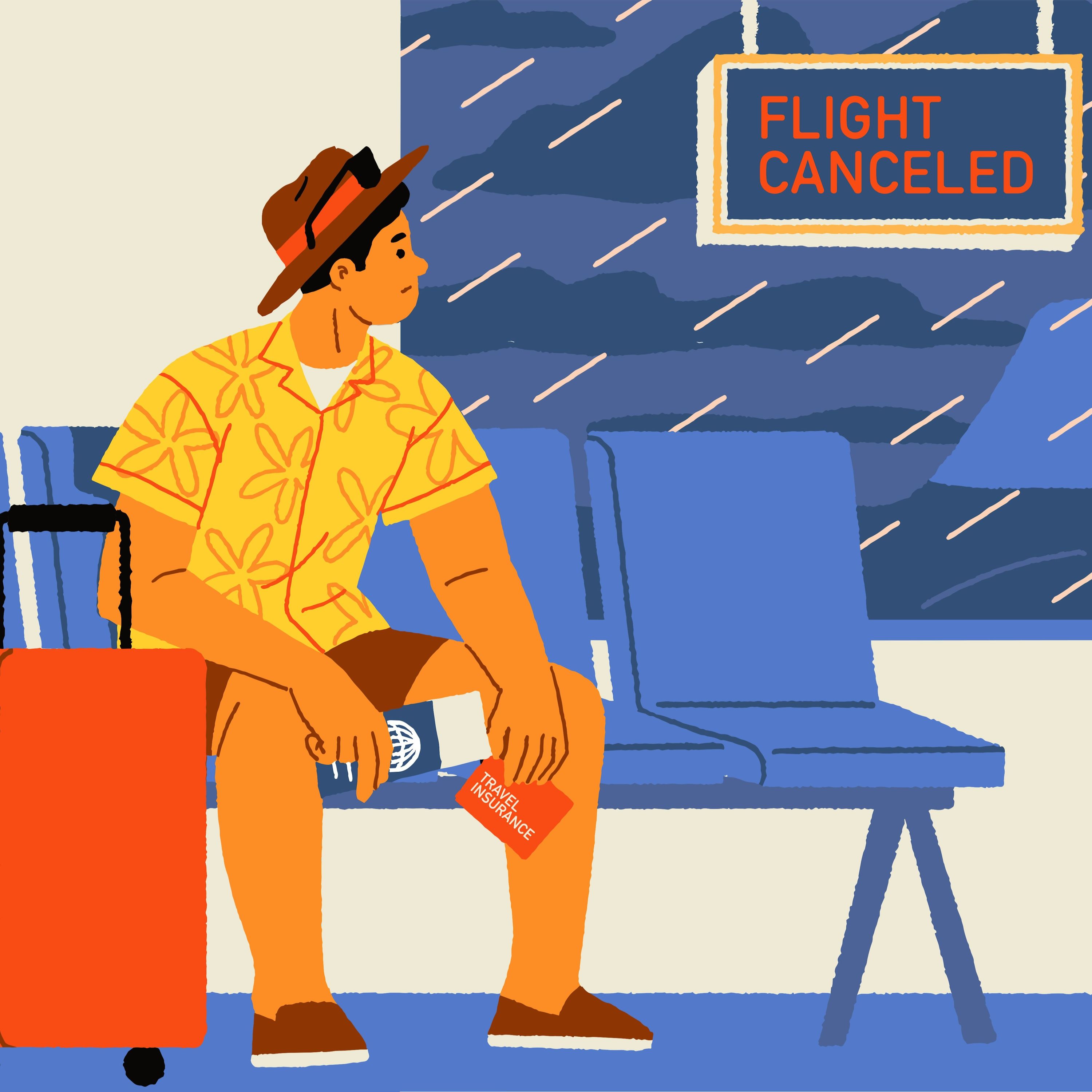
Deep self-awareness can be a double-edged sword. By vividly imagining worst-case scenarios, our minds create a sense of failure before we even act, leading to hesitation and "omission errors"—the unseen costs of opportunities not taken.
To avoid the discomfort of ambiguity, people would rather invent a definite, albeit catastrophic, future scenario. This cognitive bias highlights a deep-seated need for certainty, even if the certainty imagined is terrifying or supernatural. Dealing with the simple truth of "I don't know" is often more psychologically challenging than confronting a known disaster.

Overthinking isn't a cognitive flaw but a protective mechanism. When your brain doesn't trust your ability to handle uncertainty, it generates endless negative scenarios to create a false sense of control. The solution isn't clearer thoughts, but deeper self-trust.
