Get your free personalized podcast brief
We scan new podcasts and send you the top 5 insights daily.
Speakers use omission as a moral compromise between a hurtful truth and a direct lie. However, listeners perceive this avoidance and feel they've been denied both honesty and the benevolence of a kind lie, making omission feel worse than either alternative.

Related Insights
In studies, participants preferred to hire or date people who admitted to negative acts (e.g., being reprimanded) over those who chose a "decline to answer" option. The act of conspicuous concealment is perceived as a fundamental breach of trust that is judged more harshly than the disclosed flaw itself.
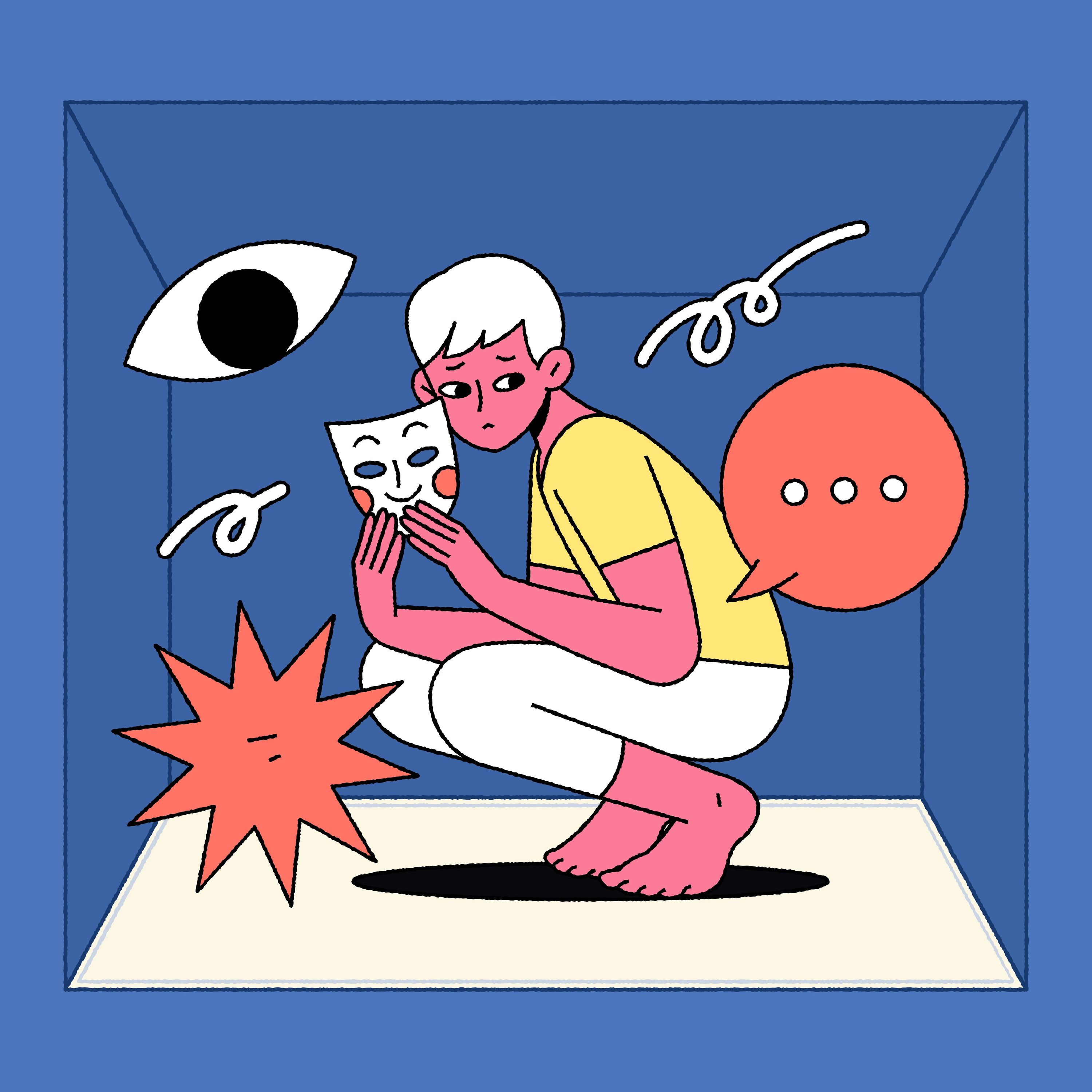
In disclosure dilemmas, we fixate on the immediate risks of speaking up (e.g., seeming petty). However, the often-ignored risks of staying silent—such as festering resentment and preventing others from truly knowing you—can be far more damaging in the long run.

The most consistent indicator of lying is providing sparse information, not excessive detail, due to the high cognitive load of inventing a story. Asking "tell me more" is an effective way to expose this, as truth-tellers can elaborate easily while liars struggle.

Beyond outright falsehoods, a critical line in 'healthy politics' is avoiding lies of omission. Purposefully leaving out key information to sway a decision is a deceptive tactic that erodes long-term trust for a short-term win. It's as damaging as an explicit lie and destroys your credibility as a leader.

Some truths, like telling new parents their baby is ugly, are considered 'bad truths.' They cause significant emotional pain without leading to any learning or positive change, making it a situation where a lie is morally preferable.

Jennifer's mother encouraged her to marry by sharing her own pre-wedding doubts but omitted that her marriage was open. This crucial half-truth gave false comfort, leading Jennifer into a marriage that ended in divorce. The incident shows how concealment by omission can be more deceptive and harmful than saying nothing at all.
People endorse pro-social lies not just to spare feelings, but specifically in situations where the truth offers no path to improvement or long-term benefit. If telling a friend their terrible, already-published novel is bad serves no purpose, lying is seen as more ethical.
When someone tells a pro-social lie to protect feelings, the recipient may trust their intentions more (benevolence-based trust) but trust the literal truth of their statements less (integrity-based trust), creating a complex dynamic in the relationship.
A lie intended to be benevolent backfires when the recipient believes the withheld information was necessary. The host's mother lied about COVID exposure to avoid stress, but it was seen as a paternalistic betrayal because the host felt the information was critical.
When trying to deceive someone, admitting a genuine, less critical flaw can make you seem honest and self-aware. This vulnerability makes the primary lie more credible because the listener thinks, "Why would they tell me this bad thing if the other part wasn't true?"
