Get your free personalized podcast brief
We scan new podcasts and send you the top 5 insights daily.
Contrary to the stereotype of private equity, Chess.com's CEO found that firms like General Atlantic and CVC provided valuable operational discipline and strategic knowledge. They pushed the company to be better, helping it mature and strengthening the CEO's skills without compromising the mission.

Related Insights
A16z's foundational belief is that founders, not hired "professional CEOs," should lead their companies long-term. The firm is structured as a network of specialists to provide founders with the knowledge and connections they lack, enabling them to grow into the CEO role and succeed.

Initially rejected by most VCs as a niche passion project, Chess.com demonstrated that a dedicated focus on a passionate community can build a massive business. The market wasn't small; it was simply undervalued by mainstream investors at the time.
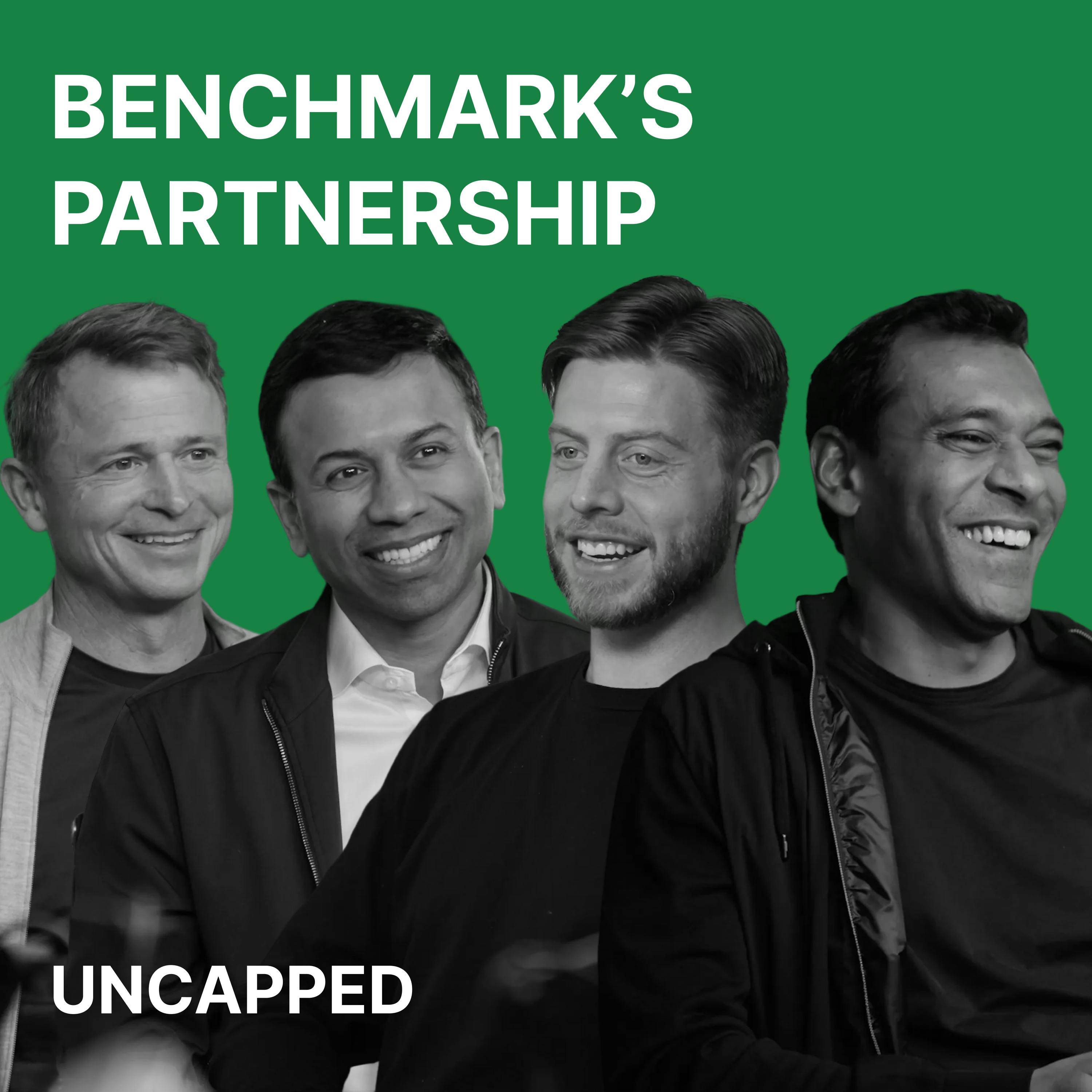
In a hyper-competitive market, a VC's role isn't just to be supportive. Being an enabler who offers feel-good praise while ignoring competitive threats can lead to a 'death spiral.' The best board members are 'founder honest,' providing fact-based, clear-eyed analysis of the competitive landscape to force necessary action.

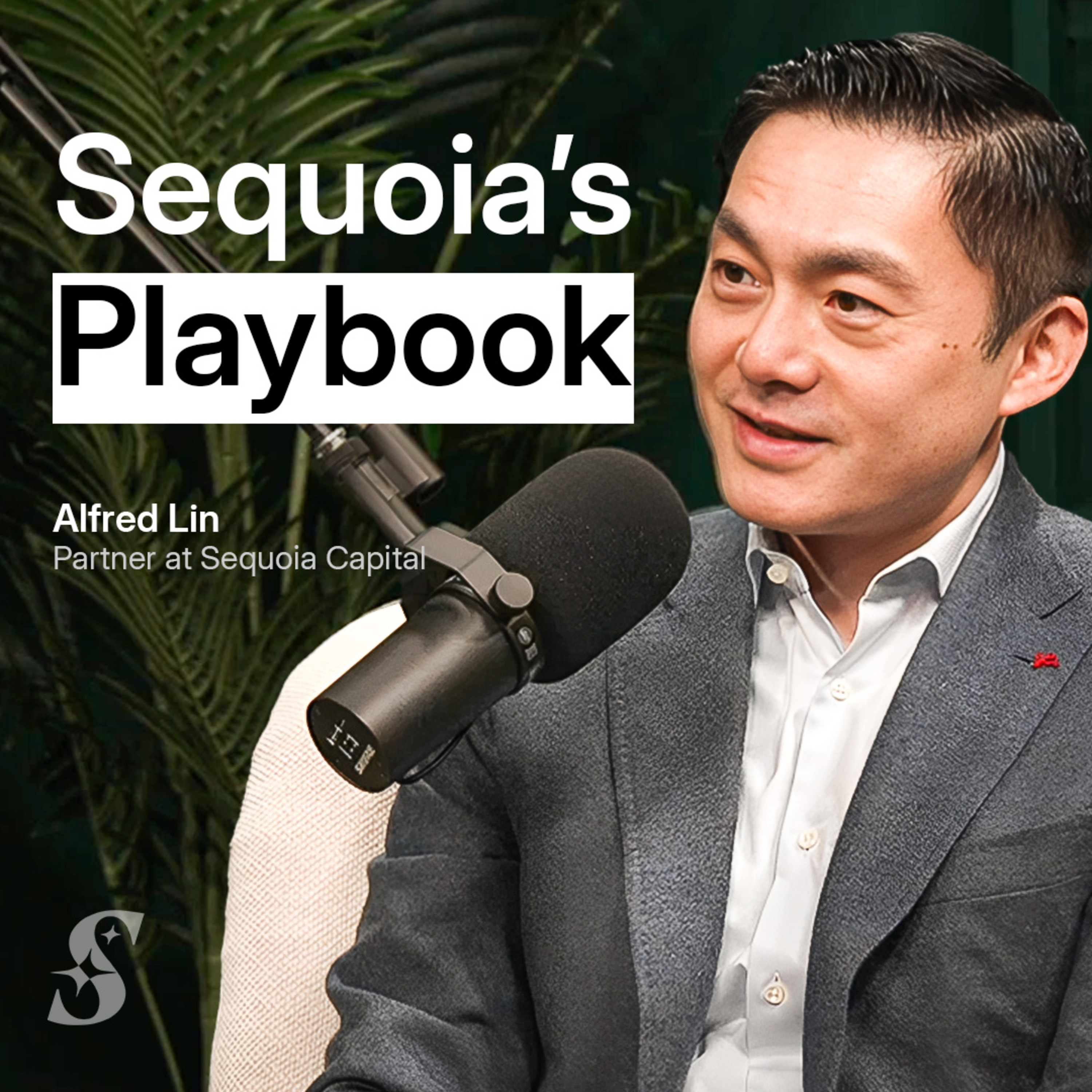
Alfred Lin's framework for board members is to be supportive 'shock absorbers' during hardships, helping founders pick up the pieces. When the company is succeeding, they become 'sparring partners' to challenge founders, prevent complacency, and push the business to the next level.
Effective private equity boards function as strategic advisory councils rather than governance bodies. Board members are expected to be co-investors who actively help with strategy, networking, and operational challenges like procurement, making them a key part of the value creation engine.

To maximize value creation, young private equity firm Teopo Capital made a strategic decision to hire a full-time operating partner dedicated to portfolio companies before building out a fundraising team. This signals a deep commitment to hands-on operational improvement as their core strategy.

Nikesh Arora credits his hiring as an outside, non-expert CEO to having risk-taking VCs on the nomination committee. He argues that typical public boards optimize for safety, leading to "market return" hires. VCs introduce a higher risk appetite, enabling transformative leadership appointments.

The most valuable role for a board member isn't giving advice, but acting as a "sparring partner." This involves asking sharp questions that help founders surface their own insights and gain clarity on ideas they already hold, especially when navigating uncharted territory.
Karri Saarinen argues that investors without direct operational experience often make better board members. They understand their role is to provide capital and high-level guidance, not dictate day-to-day strategy. This prevents them from misapplying lessons from their past company to your unique situation.
Many operators assume PE partners are always right and implement offhand suggestions as strategy. The best relationships involve a healthy give-and-take, where management uses data to validate or challenge the PE firm's ideas, preventing misguided decisions.