Get your free personalized podcast brief
We scan new podcasts and send you the top 5 insights daily.
A sophisticated foreign adversary can strategically drag out a conflict to negatively impact the US economy before midterm elections. The resulting voter frustration, for instance from high gas prices, can cripple a sitting president's party, stall their agenda, and weaken their geopolitical standing.

Related Insights
Adversaries now understand that Western financial markets are a key vulnerability. Iran is incentivized to attack energy infrastructure not just for physical disruption, but to directly target market sentiment and trigger financial instability, making economic warfare a primary strategy.

Venezuela's remaining leadership can adopt a strategy of "playing for time." By appearing cooperative while delaying substantive changes, they can wait for events like the US midterms to increase domestic political pressure on the administration, making sustained intervention unpopular and difficult to maintain. The weaker state's best defense is the superpower's internal clock.
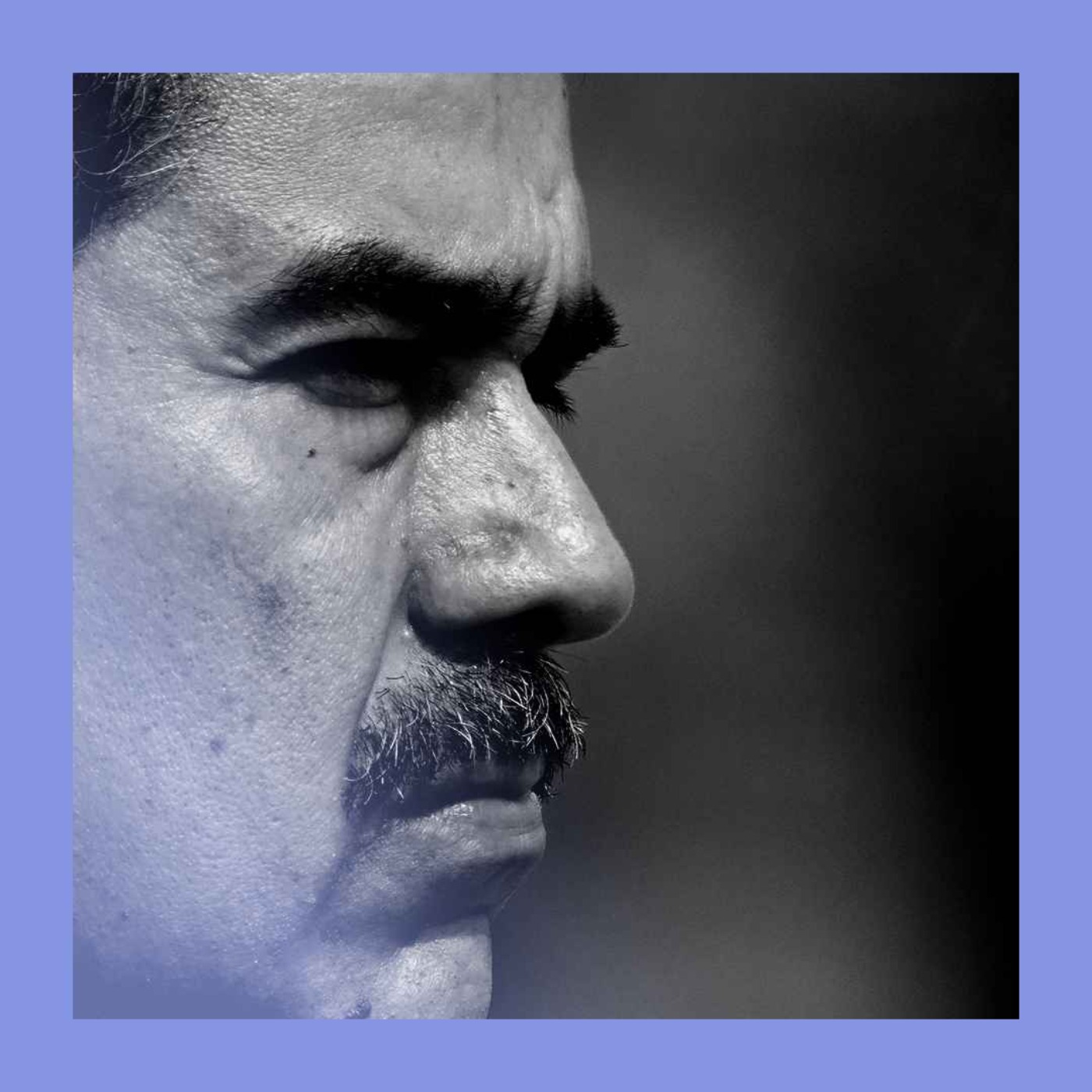
The ongoing war with Iran is undermining what the speaker calls Trump's "three political superpowers": his ability to shape reality, his use of coercive leverage, and his dominion over the Republican party. The visible negative consequences, like rising gas prices, make his narratives unbelievable and expose his weakened influence over allies and his own party.

Iran's strategy is not to win a conventional war but to play a waiting game, believing it can withstand damage until the U.S. loses its political will to continue the conflict, especially with an unpopular president facing midterms. This turns the situation into a potential "forever war" where the exit strategy is the main challenge.

When a leader consistently capitulates to market pressure (e.g., reversing tariffs when stocks drop), their "stop loss" becomes public knowledge. Adversaries can then weaponize markets, pushing them to that known pain point to force the leader's hand in geopolitical conflicts.
Iran's strategy isn't a quick military victory but a war of attrition. By accepting a long timeline and inflicting small but consistent damage, it aims to erode US domestic support for the war, especially in an election year, and outlast the current administration.

Instead of direct military intervention, a modern strategy involves crippling a nation's economy and military so severely that the regime deteriorates from internal pressure. This approach aims to force a collapse without committing ground troops, which is politically unpopular.

Iran's leadership is betting it can withstand economic pressure longer than the US president can tolerate rising gas prices and diplomatic fallout ahead of midterm elections. Having survived past sanctions, Iran believes its autocratic regime has more staying power than an American administration facing voter discontent.
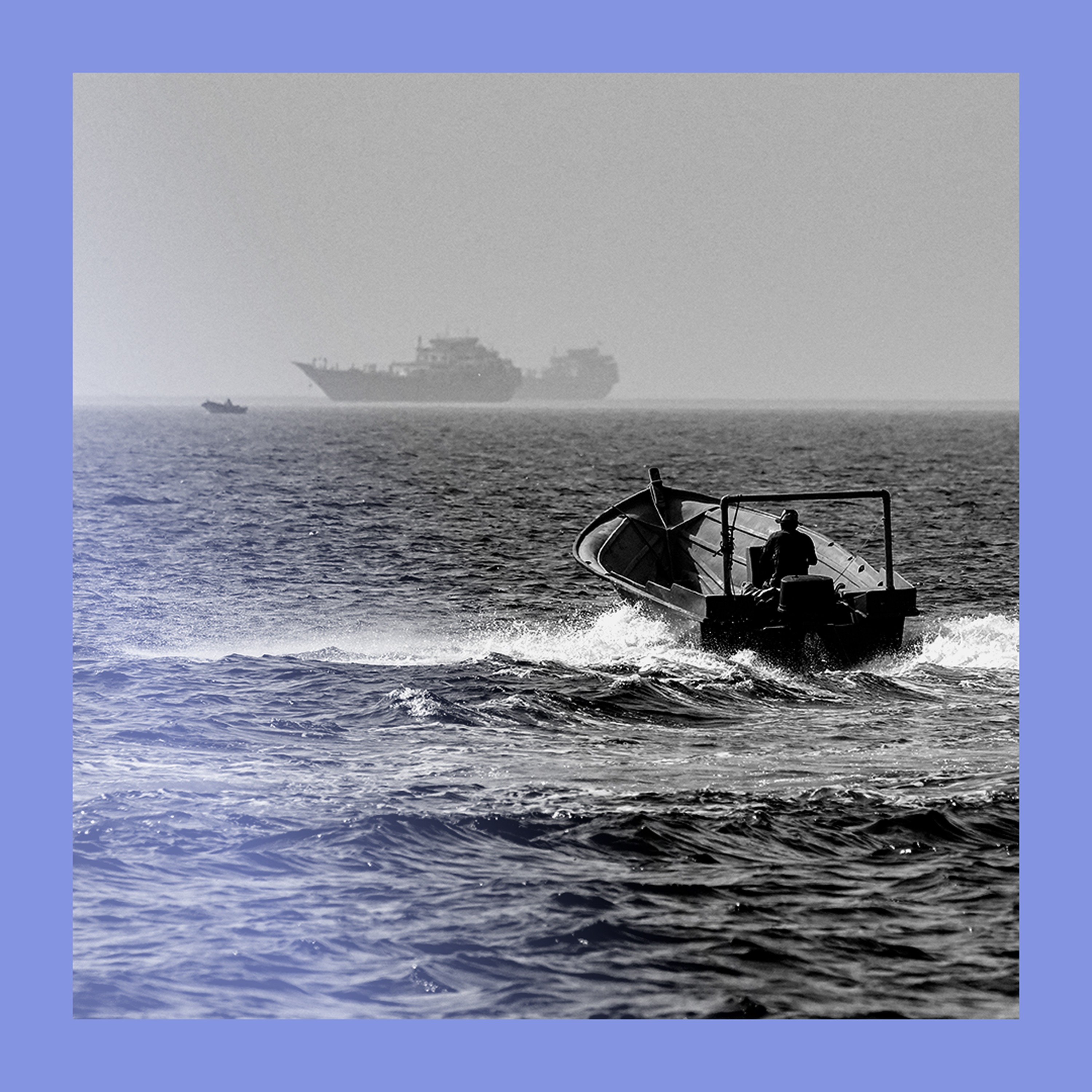
A long war with Iran would directly contradict a core promise to his voters: avoiding foreign entanglements. This betrayal, combined with economic fallout, would alienate his base and likely cause a Democratic sweep in the midterms, effectively ending his presidency.

While voters rarely prioritize foreign policy, they vote based on its economic consequences. Historical trends provide a simple political heuristic: gasoline prices around $3/gallon are tolerable for the incumbent party, but prices crossing the $4 and $5 thresholds become a major political liability by directly impacting cost of living.
