Get your free personalized podcast brief
We scan new podcasts and send you the top 5 insights daily.
The rise of Takaoichi Sanae as Japan's first female prime minister presents a paradox. Despite breaking a major glass ceiling, she is a social conservative who actively opposes female succession to the throne and other feminist causes, showing that female leadership does not inherently equate to progressive social reform.

Related Insights
Prime Minister Takeuchi's immense popularity, especially among voters under 30, stems from her relatable, plain-spoken style, which contrasts sharply with traditional politicians. This stylistic appeal has proven more potent in building a strong support base than a list of concrete policy achievements.
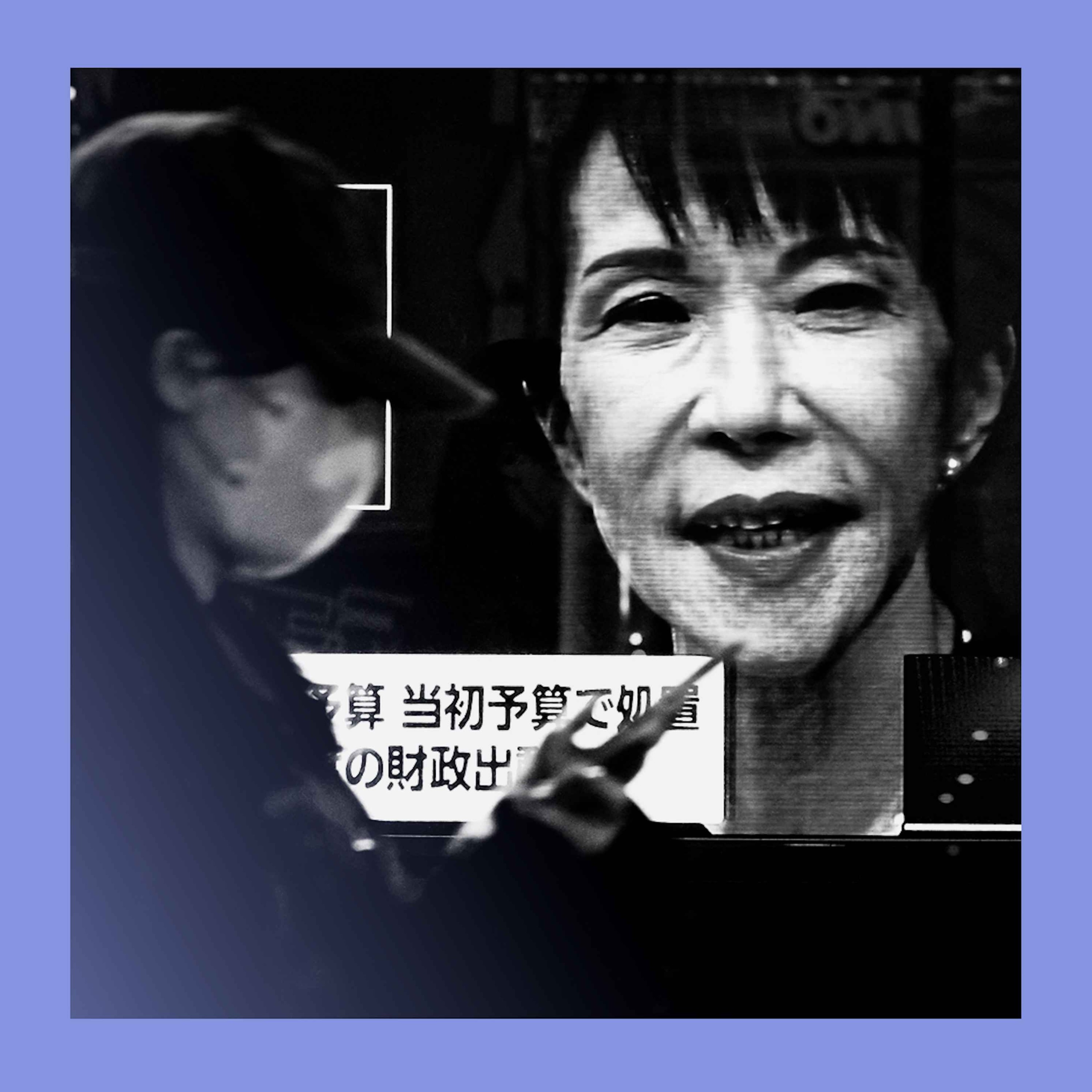
The stunning landslide victory for Japanese hawk Sanae Takaichi may be an unintended consequence of China's own actions. China's uncompromising stance on disputed territories appears to have backfired by creating a strong sense of unity among Japanese voters, propelling a leader with a hardline China policy into power.

Japanese towns are launching gender equality initiatives not purely for social progress, but as a pragmatic strategy to combat extinction. They need to attract women back to marry and have children. This creates an ironic tension: using progressive policies to encourage women to fulfill traditional roles.

Japan's ruling LDP selected Takaichi Sanae, a leader with a brash, populist aesthetic, not to upend the system but to co-opt populist appeal. This strategy aims to fend off genuine anti-establishment challengers and re-establish the party's grip on power, demonstrating a novel approach to maintaining the status quo.
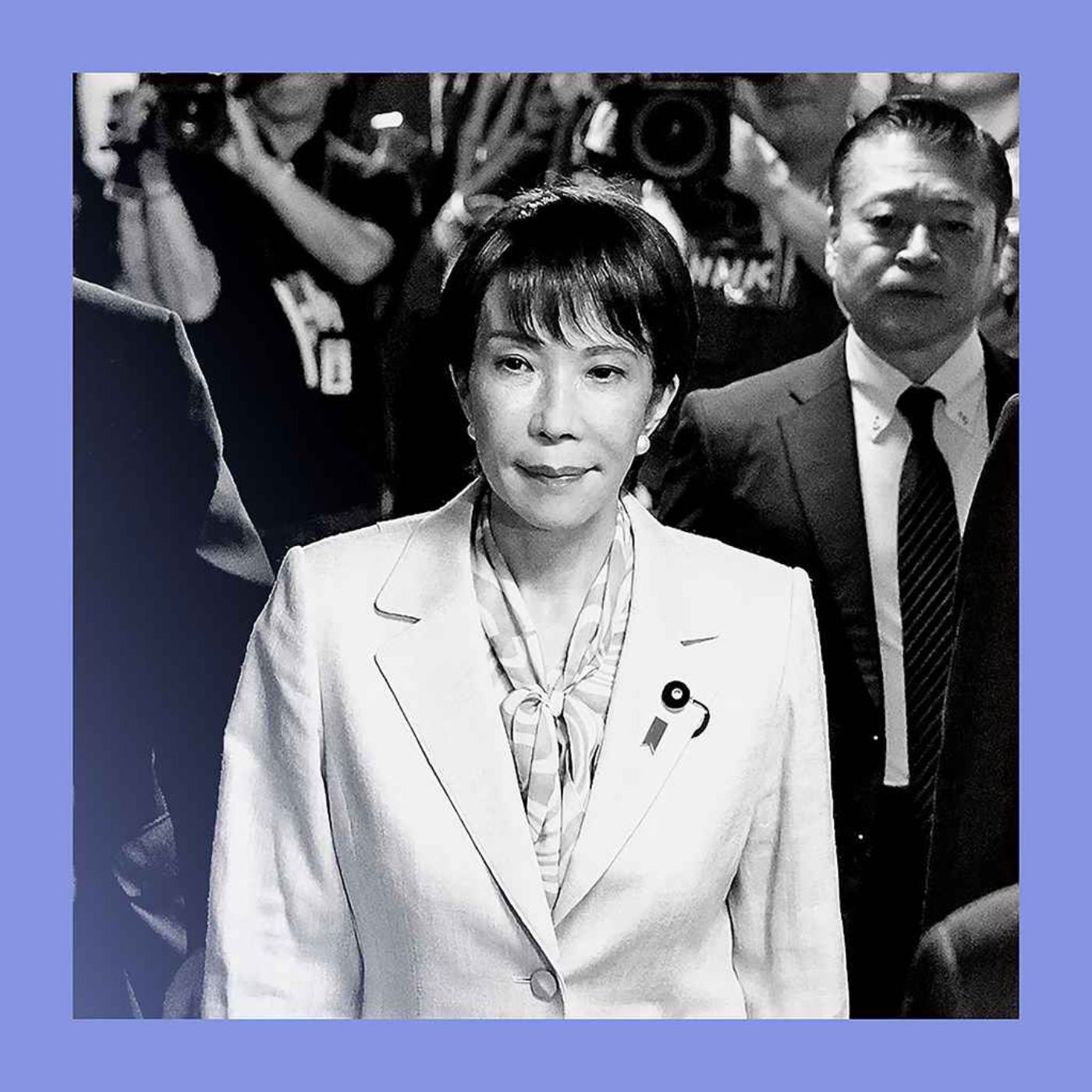
Societal applause for women excelling in male domains like CEO leadership, while downplaying nurturing roles, subtly implies that masculine pursuits are inherently more valuable. This reveals a form of patronizing sexism from within progressive circles.

Despite 90% public support for a female emperor, Japan's conservatives propose a more controversial solution to the succession crisis: recruiting men from imperial branches stripped of royal status after WWII. This shows a preference for a complex, unpopular solution over breaking the tradition of male-only succession.
Contrary to expectations, Japan's first female prime minister, a social conservative, upheld the tradition banning women from the sumo ring. By sending a male proxy to a key ceremony, she signaled that her appointment does not guarantee a challenge to entrenched patriarchal norms, showing representation isn't always reform.

The election of leaders like Japan's female prime minister, who enacts hardline policies, shows that voters are primarily driven by shared values, not identity characteristics. When a leader's ideology matches the electorate's, their gender or race becomes secondary.

Takaichi Sanae's appointment is a historic milestone for gender representation in Japan. However, her political agenda is deeply conservative. She actively opposes key feminist issues, such as allowing separate surnames for married couples, illustrating the crucial distinction between descriptive representation and substantive policy change.
Michelle Obama bluntly states that America is not yet ready for a female president, citing latent sexism and the inability of many men to be led by women. Her direct dismissal of her own candidacy ('don't waste my time') serves as a powerful indictment of the current political and cultural landscape for female leaders.