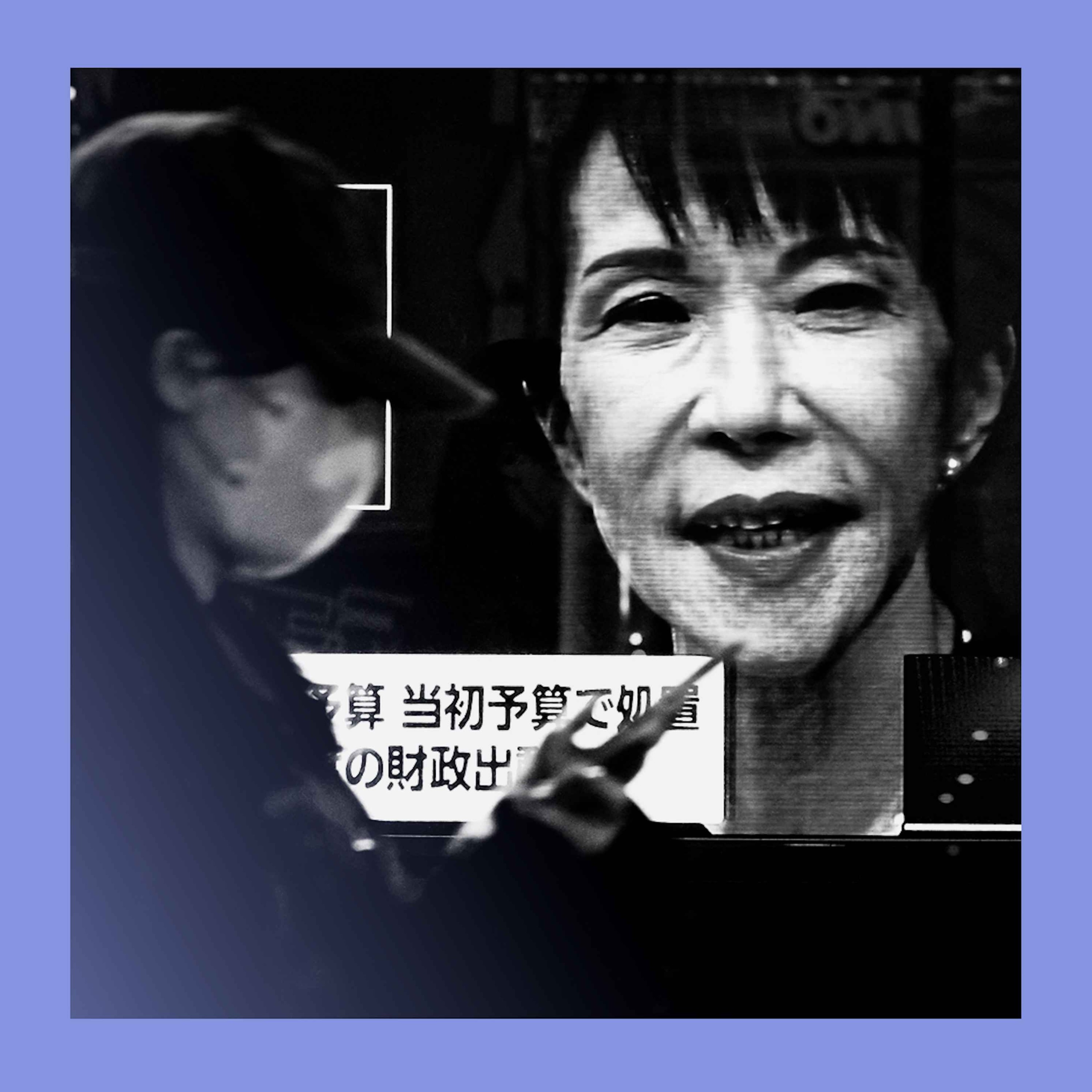
Prime Minister Takeuchi's immense popularity, especially among voters under 30, stems from her relatable, plain-spoken style, which contrasts sharply with traditional politicians. This stylistic appeal has proven more potent in building a strong support base than a list of concrete policy achievements.
The widespread use of GLP-1 drugs is forcing high-end restaurants to adapt to customers with suppressed appetites. They are creating new menus featuring tiny, high-quality portions at premium prices, catering to diners who desire the luxury experience without the volume of food.
To challenge the ruling LDP, Japan's mainstream center-left party has formed a new "centrist reform alliance" with Kometo, the LDP's former coalition partner. Kometo is a center-right party backed by a powerful lay Buddhist group, making this an unusual but potentially potent political realignment.
Research shows that while GLP-1 drug users eat less, they will pay more for high-quality ingredients. This creates a strategic opportunity for restaurants to increase profit margins by offering smaller, premium-priced dishes, tapping into the retail psychology that smaller items can carry a higher proportional markup.
The UN's High Seas Treaty is critical not just for marine life, but for the planet's oxygen supply. Often-overlooked phytoplankton, like the Prochlorococcus bacterium which produces 20% of the biosphere's oxygen, are threatened by warming seas and pollution, making their protection essential for global climate stability.