Get your free personalized podcast brief
We scan new podcasts and send you the top 5 insights daily.
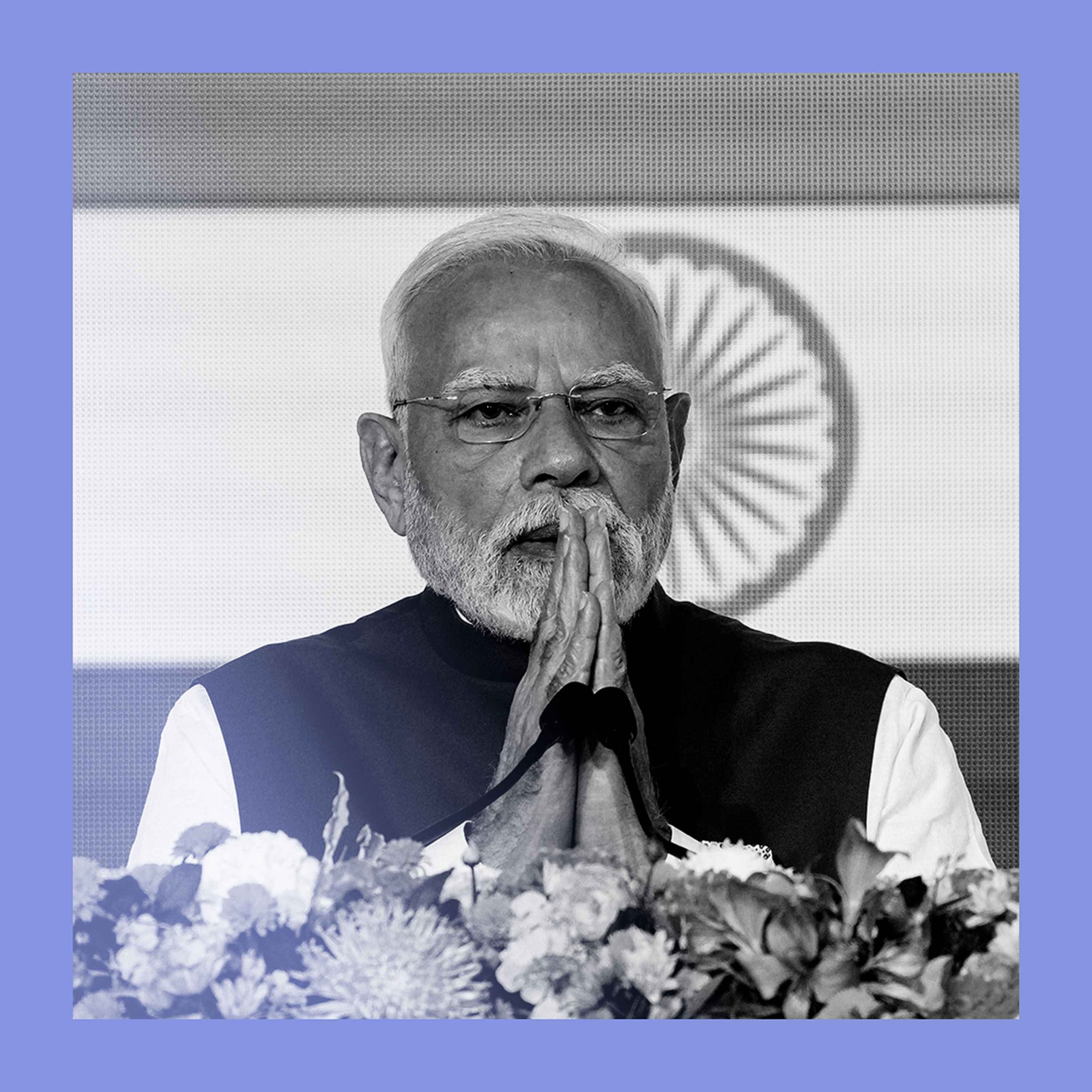
After a disappointing 2024 election where his party lost its majority, Narendra Modi shifted focus from a divisive cultural agenda to pragmatic economic reforms. This includes simplifying taxes, overhauling labor laws, and securing trade deals, a move that has helped him regain political dominance and respond to voter concerns about inflation.
Related Insights
Beyond its long-term growth benefits, rational immigration policy can be a powerful short-term tool against inflation. By addressing labor shortages in critical sectors like construction, agriculture, and elder care, an increased and targeted immigrant workforce can directly reduce cost pressures on essential goods and services.

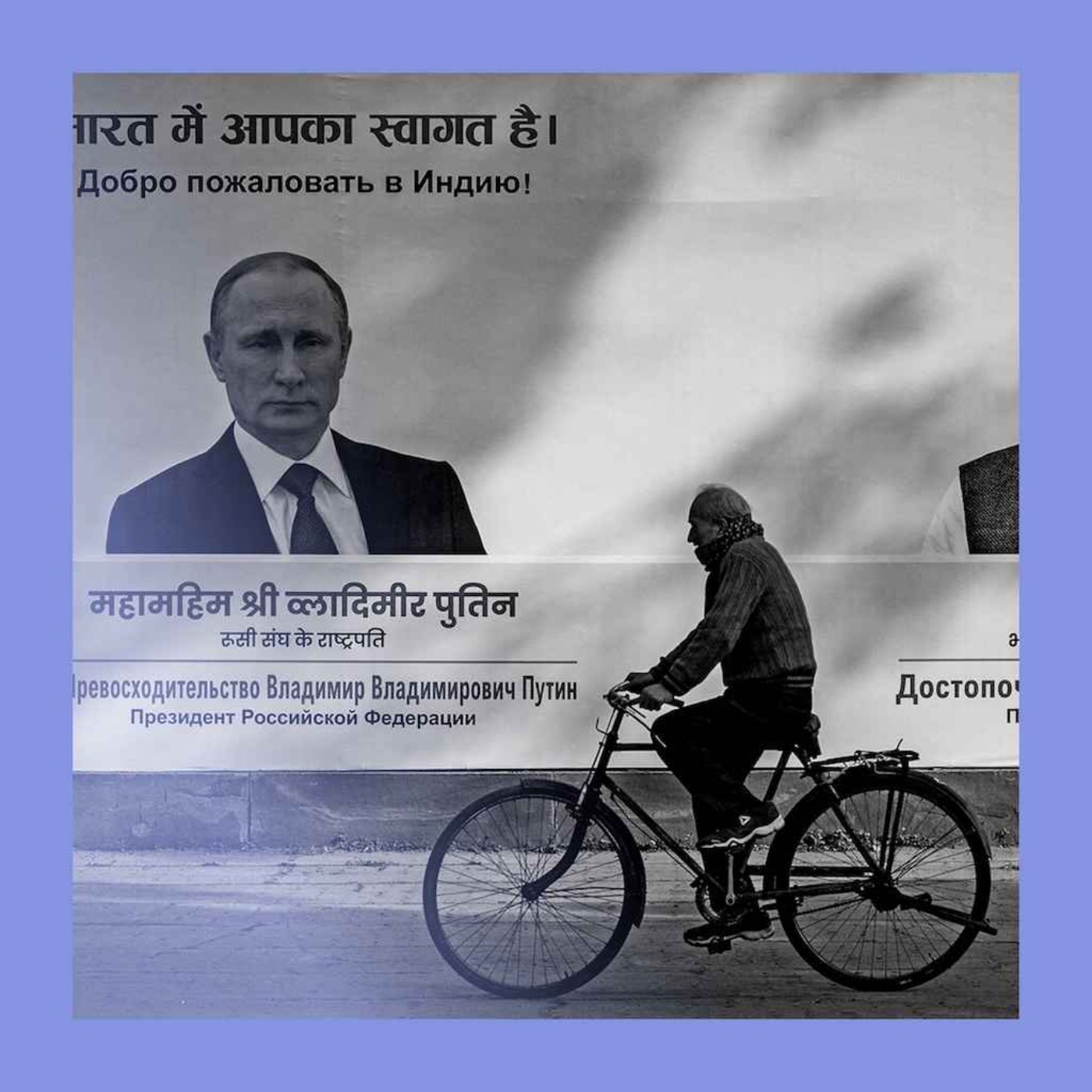
US tariffs, specifically a 50% tariff on India, have pushed Prime Minister Modi to publicly reinforce ties with Russia's Putin. This geopolitical shift is not just based on historical allegiance but is a direct strategic reaction to US economic pressure, demonstrating how "America First" policies can unintentionally benefit adversaries.
Political messaging that separates economic issues (like grocery prices) from the fight for democracy is ineffective. Leaders should instead argue that protecting democracy is the only way to ensure economic stability and prevent servitude to oligarchs, a strategy used by Lincoln and FDR.

Uttar Pradesh's leader, Yogi Adityanath, presents himself as an economic pragmatist to investors and foreign media, focusing on infrastructure and GDP. Simultaneously, for his domestic base, he amplifies Hindu nationalist rhetoric and stokes religious tensions, demonstrating a calculated political duality.
A leader known for a tough immigration stance has the unique credibility to pivot towards an open, structured policy. This can neutralize opponents, appeal to independents, and address business needs, effectively allowing them to 'declare victory' and move on.

Facing significant US tariffs and global trade headwinds, India is pivoting inward. The government is implementing a three-pronged stimulus—cutting household taxes, central bank interest rates, and consumption taxes—to boost domestic demand and insulate its economy from external shocks.

The potential Indian market comeback is built on a two-pronged approach. It combines aggressive, short-term reflationary measures like rate and tax cuts to spark immediate momentum with long-term structural economic shifts like fiscal consolidation and an export focus, which provide a stable foundation for sustained growth.
The traditional relationship where economic performance dictated political outcomes has flipped. Now, political priorities like tariff policies, reshoring, and populist movements are the primary drivers of economic trends, creating a more unpredictable environment for investors.

Despite being one of the world's fastest-growing economies, India's projected 6.5% GDP growth is insufficient. It requires 7.5% growth just to keep unemployment stable and a staggering 12% to address widespread underemployment, revealing the immense scale of its labor market challenge.
Despite expected legislative gridlock, investors should focus on the executive branch. The president's most impactful market tools, such as tariff policy and deregulation via executive agencies, do not require congressional approval. Significant policy shifts can therefore occur even when Congress is divided and inactive.