Get your free personalized podcast brief
We scan new podcasts and send you the top 5 insights daily.
Google DeepMind is recruiting a Chief AGI Economist, signaling they believe AGI is near enough to warrant building economic simulations and agent-based models. The role focuses on foundational questions about scarcity and power in a post-AGI world.
Related Insights
The most immediate AI milestone is not singularity, but "Economic AGI," where AI can perform most virtual knowledge work better than humans. This threshold, predicted to arrive within 12-18 months, will trigger massive societal and economic shifts long before a "Terminator"-style superintelligence becomes a reality.

Hassabis argues AGI isn't just about solving existing problems. True AGI must demonstrate the capacity for breakthrough creativity, like Einstein developing a new theory of physics or Picasso creating a new art genre. This sets a much higher bar than current systems.

Companies like DeepMind, Meta, and SSI are using increasingly futuristic job titles like "Post-AGI Research" and "Safe Superintelligence Researcher." This isn't just semantics; it's a branding strategy to attract elite talent by framing their work as being on the absolute cutting edge, creating distinct sub-genres within the AI research community.

Demis Hassabis suggests Universal Basic Income (UBI) is an insufficient, 'add-on' solution for a post-AGI society. He posits that we will need entirely new economic models, potentially resembling direct democracy systems where communities vote on resource allocation, to manage post-scarcity abundance.

Google DeepMind's Demis Hassabis includes physical embodiment in his 5-10 year AGI timeline, while Anthropic's Dario Amadei focuses on Nobel-level cognitive tasks in a 1-2 year timeline. This distinction is critical for understanding their predictions.
Demis Hassabis, CEO of Google DeepMind, warns that the societal transition to AGI will be immensely disruptive, happening at a scale and speed ten times greater than the Industrial Revolution. This suggests that historical parallels are inadequate for planning and preparation.
Google DeepMind CEO Demis Hassabis argues that today's large models are insufficient for AGI. He believes progress requires reintroducing algorithmic techniques from systems like AlphaGo, specifically planning and search, to enable more robust reasoning and problem-solving capabilities beyond simple pattern matching.

Sequoia's proclamation that AGI has arrived is a strategic move to energize founders. The firm argues that today's AI, particularly long-horizon agents, is already capable enough to solve major problems, urging entrepreneurs to stop waiting for a future breakthrough and start building now.

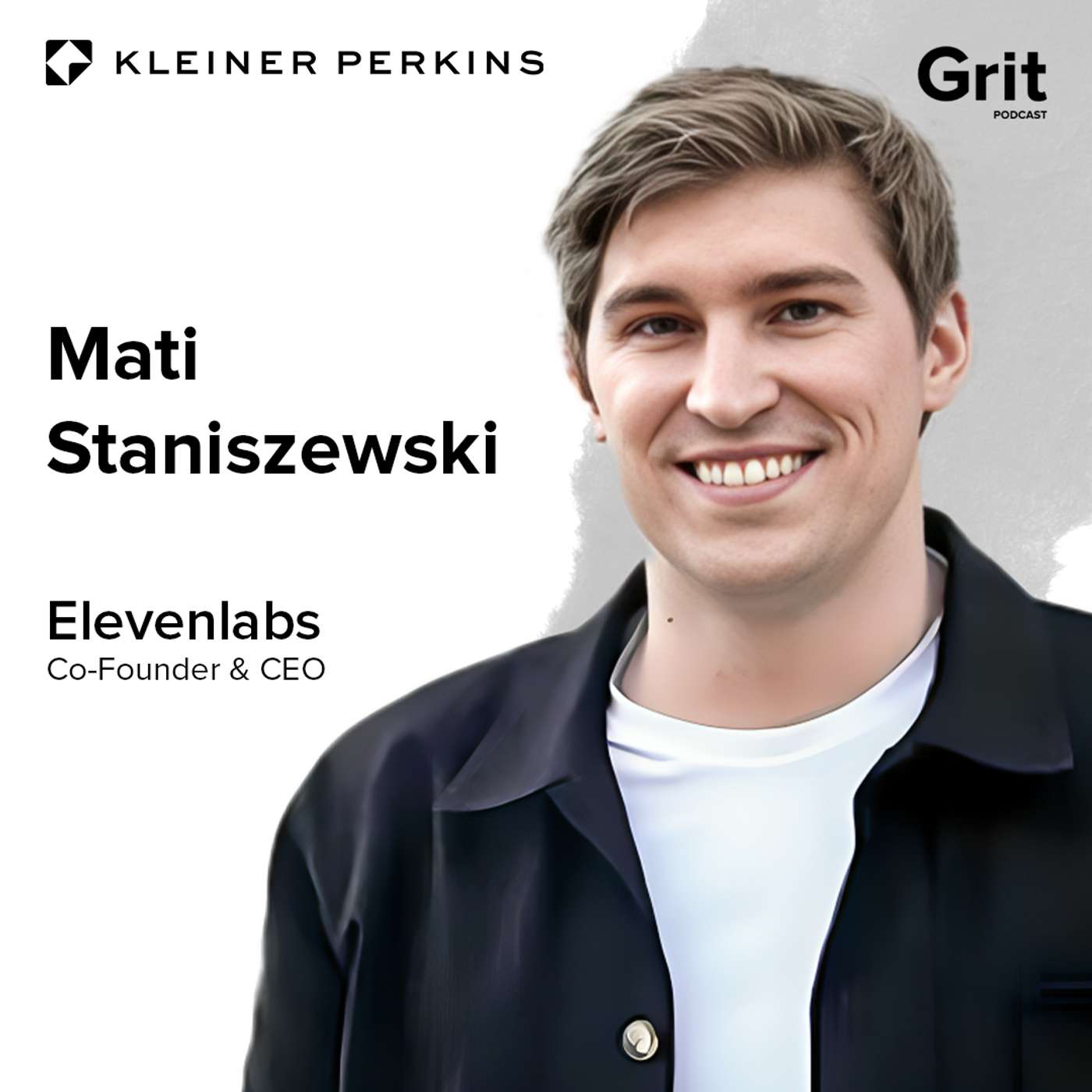
The CEO of ElevenLabs recounts a negotiation where a research candidate wanted to maximize their cash compensation over three years. Their rationale: they believed AGI would arrive within that timeframe, rendering their own highly specialized job—and potentially all human jobs—obsolete.
Shane Legg, a pioneer in the field, maintains his original 2009 prediction that there is a 50/50 probability of achieving "minimal AGI" by 2028. He defines this as an AI agent capable of performing the cognitive tasks of a typical human.