Get your free personalized podcast brief
We scan new podcasts and send you the top 5 insights daily.
Companies like DeepMind, Meta, and SSI are using increasingly futuristic job titles like "Post-AGI Research" and "Safe Superintelligence Researcher." This isn't just semantics; it's a branding strategy to attract elite talent by framing their work as being on the absolute cutting edge, creating distinct sub-genres within the AI research community.

Related Insights
To move beyond general knowledge, AI firms are creating a new role: the "AI Trainer." These are not contractors but full-time employees, typically PhDs with deep domain expertise and a computer science interest, tasked with systematically improving model competence in specific fields like physics or mathematics.

The intense talent war in AI is hyper-concentrated. All major labs are competing for the same cohort of roughly 150-200 globally-known, elite researchers who are seen as capable of making fundamental breakthroughs, creating an extremely competitive and visible talent market.
Rather than just replacing jobs, AI is fostering the emergence of new, specialized roles. The "Content Automation Strategist," for example, is a position that merges creative oversight with the technical skill to use AI for scaling content production and personalization effectively.

The winning strategy in the AI data market has evolved beyond simply finding smart people. Leading companies differentiate with research teams that anticipate the future data requirements of models, innovating on data types for reasoning and STEM before being asked.

Companies like OpenAI and Anthropic are not just building better models; their strategic goal is an "automated AI researcher." The ability for an AI to accelerate its own development is viewed as the key to getting so far ahead that no competitor can catch up.

Perplexity's talent strategy bypasses the hyper-competitive market for AI researchers who build foundational models. Instead, it focuses on recruiting "AI application engineers" who excel at implementing existing models. This approach allows startups to build valuable products without engaging in the exorbitant salary wars for pre-training specialists.

The dramatic increase in "AI PM" job listings isn't just about new roles. It's a marketing tactic. Companies use the "AI" label to attract top talent, and candidates adopt it to signal value and command higher salaries, creating a feedback loop.

AI will handle most routine tasks, reducing the number of average 'doers'. Those remaining will be either the absolute best in their craft or individuals leveraging AI for superhuman productivity. Everyone else must shift to 'director' roles, focusing on strategy, orchestration, and interpreting AI output.

The frenzied competition for the few thousand elite AI scientists has created a culture of constant job-hopping for higher pay, akin to a sports transfer season. This instability is slowing down major scientific progress, as significant breakthroughs require dedicated teams working together for extended periods, a rarity in the current environment.

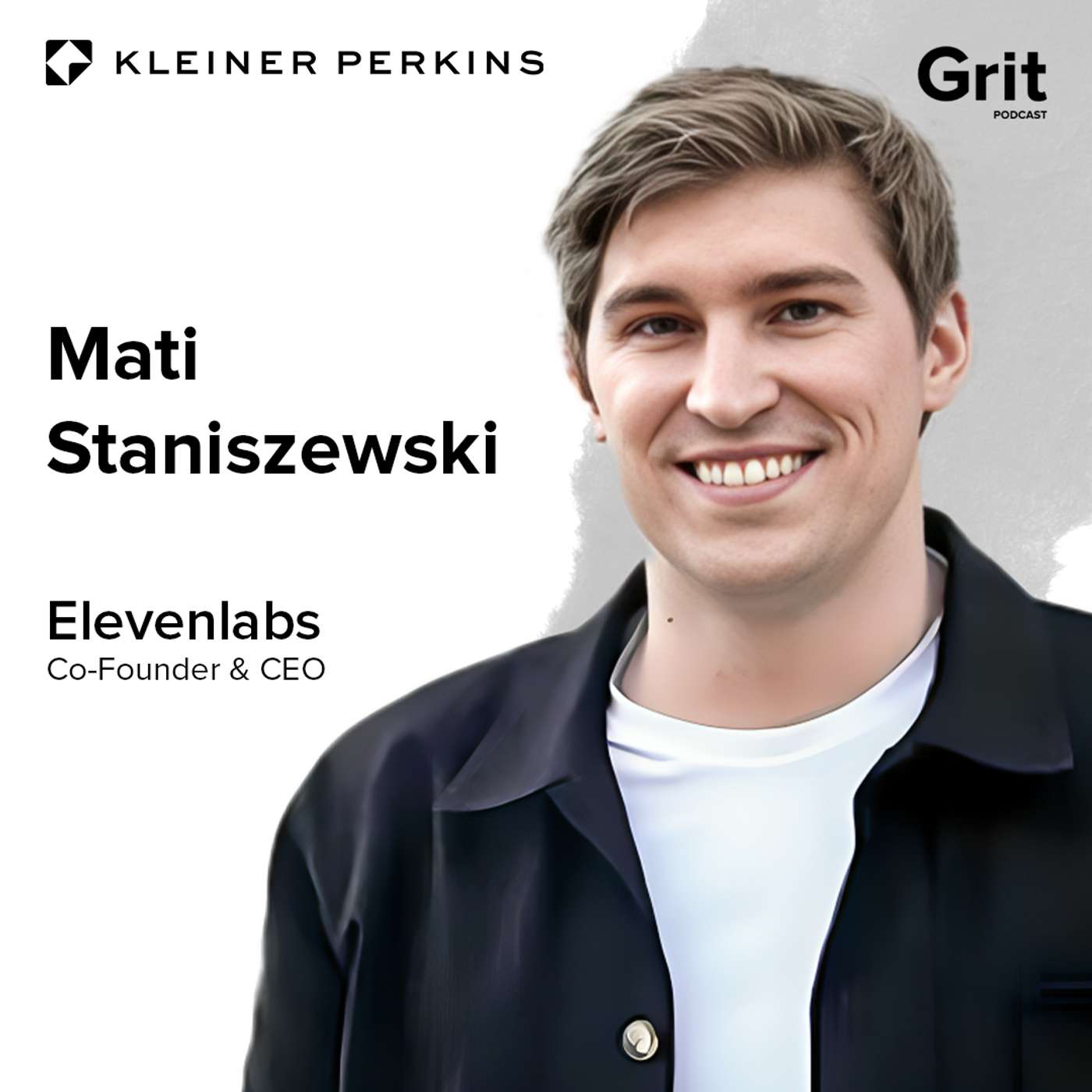
The CEO of ElevenLabs recounts a negotiation where a research candidate wanted to maximize their cash compensation over three years. Their rationale: they believed AGI would arrive within that timeframe, rendering their own highly specialized job—and potentially all human jobs—obsolete.