Get your free personalized podcast brief
We scan new podcasts and send you the top 5 insights daily.
Demis Hassabis suggests Universal Basic Income (UBI) is an insufficient, 'add-on' solution for a post-AGI society. He posits that we will need entirely new economic models, potentially resembling direct democracy systems where communities vote on resource allocation, to manage post-scarcity abundance.

Related Insights
AI will inevitably cause mass, short-term job displacement. To prevent a depression from collapsed consumer spending, Universal Basic Income (UBI) is essential. It acts as a bridge, sustaining demand and allowing society to benefit from AI's productivity gains while new industries emerge.
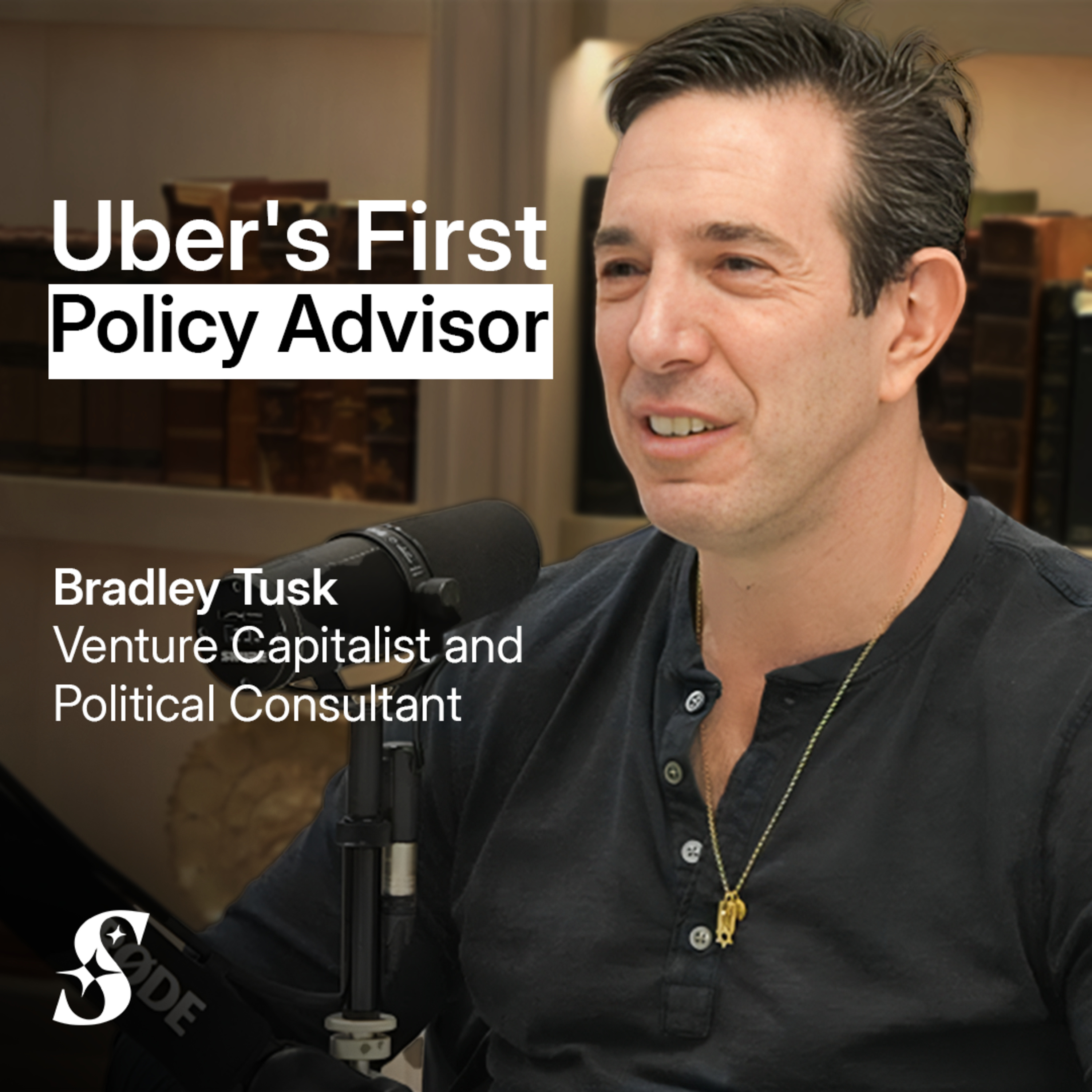
The potential for an AI-driven, post-capitalist world of abundance is real. However, the path there will likely be as destructive as a world war, as the rapid upending of the economic order will throw society into chaos before stability is achieved.

The common narrative for a post-labor future is Universal Basic Income (UBI). However, Elon Musk's perspective is "Universal High Income." This vision is not about wealth redistribution but about radical technological deflation, where the costs of energy, labor, and transportation approach zero, creating massive abundance and purchasing power for everyone.

When AI handles material needs, the traditional status game of wealth accumulation will lose its meaning. Humans will instead compete for status in non-productive domains like athletics, video games, or curating collections. These niche communities will become the new arenas for finding meaning and social hierarchy.

Emad Mostaque argues that the math for a tax-funded Universal Basic Income (UBI) doesn't work. Providing even a poverty-level UBI in the U.S. would cost $5 trillion, the entire federal tax base. Corporate taxes from AI giants wouldn't come close, necessitating a fundamental rethinking of how money is created and distributed.
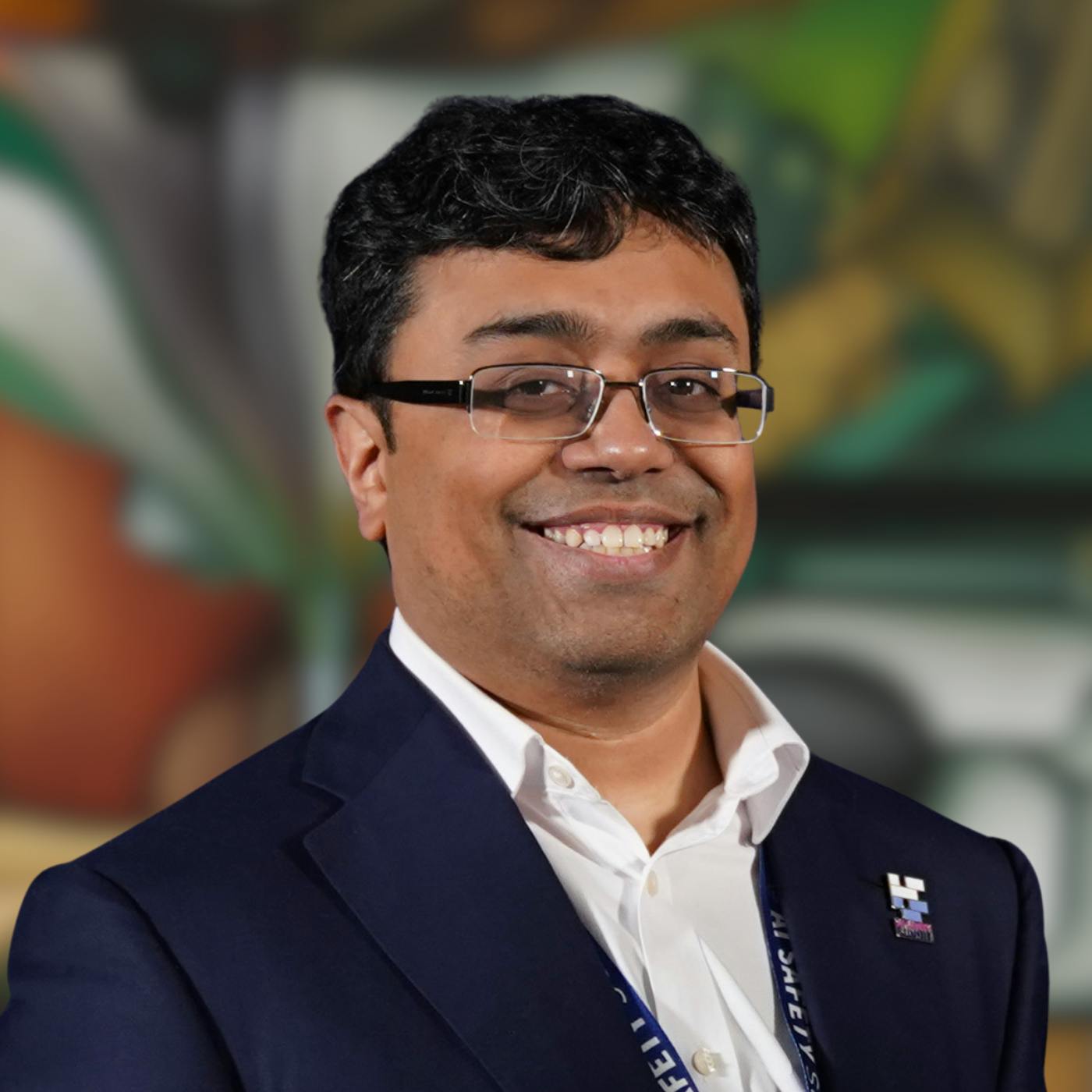
Emad Mostaque argues that as AI makes intelligence abundant (e.g., free expert medical advice), our economic system, which is built on scarcity, interprets the resulting job displacement and disruption as poverty, even if overall well-being improves.
Rather than UBI, Vinod Khosla suggests governments should use AI to offer essential services like healthcare and education for free. This drastically reduces living costs and improves quality of life, offering an alternative path to social equity.

Financial support (UBI) is insufficient for a thriving populace. The real safety net in an AI-driven world is a 'Universal Basic AI'—a personal, sovereign AI agent that acts in the user's best interest. This provides capability and access to resources, ensuring individuals are empowered, not just subsidized.

Capitalism values scarcity. AI's core disruption is not just automating tasks, but making human-like intellectual labor so abundant that its market value approaches zero. This breaks the fundamental economic loop of trading scarce labor for wages.

Since taxing profitless AI companies is impossible, a new system is needed. Instead of redistribution, money creation itself must be re-engineered. Capital could be generated and injected directly to individuals for simply existing and participating in the economy, fundamentally changing how money enters circulation.