Get your free personalized podcast brief
We scan new podcasts and send you the top 5 insights daily.
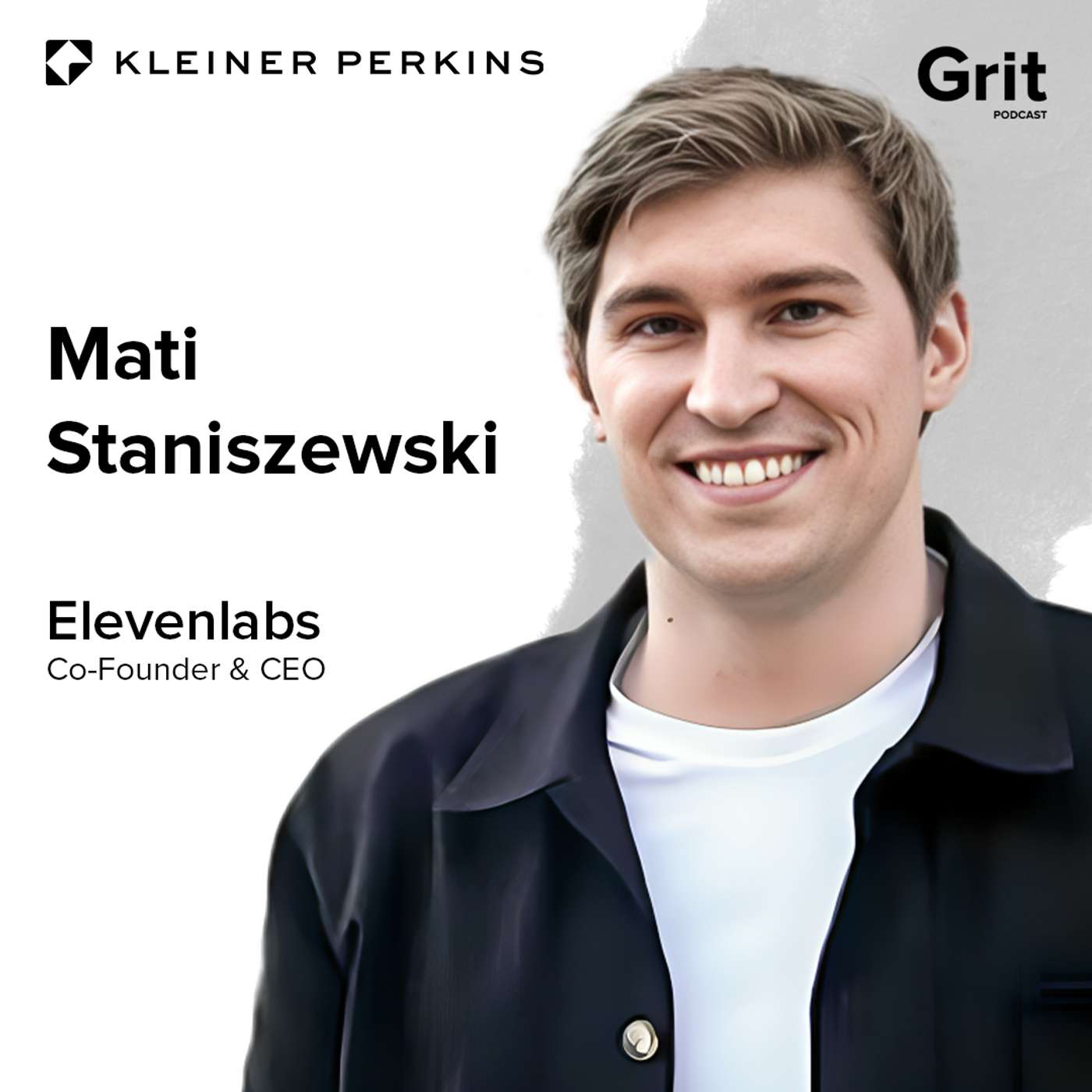
The CEO of ElevenLabs recounts a negotiation where a research candidate wanted to maximize their cash compensation over three years. Their rationale: they believed AGI would arrive within that timeframe, rendering their own highly specialized job—and potentially all human jobs—obsolete.
Related Insights
The most immediate AI milestone is not singularity, but "Economic AGI," where AI can perform most virtual knowledge work better than humans. This threshold, predicted to arrive within 12-18 months, will trigger massive societal and economic shifts long before a "Terminator"-style superintelligence becomes a reality.

Julian Schrittwieser, a key researcher from Anthropic and formerly Google DeepMind, forecasts that extrapolating current AI progress suggests models will achieve full-day autonomy and match human experts across many industries by mid-2026. This timeline is much shorter than many anticipate.
Silicon Valley insiders, including former Google CEO Eric Schmidt, believe AI capable of improving itself without human instruction is just 2-4 years away. This shift in focus from the abstract concept of superintelligence to a specific research goal signals an imminent acceleration in AI capabilities and associated risks.
Multi-million dollar salaries for top AI researchers seem absurd, but they may be underpaid. These individuals aren't just employees; they are capital allocators. A single architectural decision can tie up or waste months of capacity on billion-dollar AI clusters, making their judgment incredibly valuable.
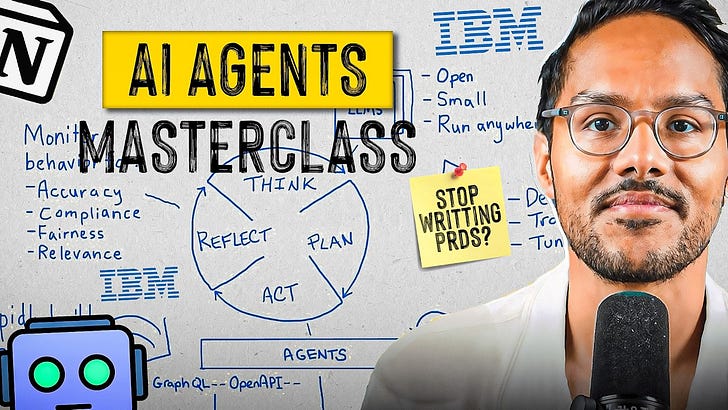
OpenAI is launching initiatives to certify millions of workers for an AI-driven economy. However, their core mission is to build artificial general intelligence (AGI) designed to outperform humans, creating a paradox where they are both the cause of and a proposed solution to job displacement.
In a significant shift, Elon Musk stated he now believes xAI has a chance to achieve AGI with its fifth-generation model, Grok 5. Coming from a key player who is rapidly scaling compute, this suggests the timeline for world-changing AI could be within the next few years.

For current AI valuations to be realized, AI must deliver unprecedented efficiency, likely causing mass job displacement. This would disrupt the consumer economy that supports these companies, creating a fundamental contradiction where the condition for success undermines the system itself.

Companies are preemptively slowing hiring for roles they anticipate AI will automate within two years. This "quiet hiring freeze" avoids the cost of hiring, training, and then laying off staff. It is a subtle but powerful leading indicator of labor market disruption, happening long before official unemployment figures reflect the shift.

The ultimate goal for leading labs isn't just creating AGI, but automating the process of AI research itself. By replacing human researchers with millions of "AI researchers," they aim to trigger a "fast takeoff" or recursive self-improvement. This makes automating high-level programming a key strategic milestone.

The enormous market caps of leading AI companies can only be justified by finding trillions of dollars in efficiencies. This translates directly into a required labor destruction of roughly 10 million jobs, or 12.5% of the vulnerable workforce, suggesting market turmoil or mass unemployment is inevitable.
