Get your free personalized podcast brief
We scan new podcasts and send you the top 5 insights daily.
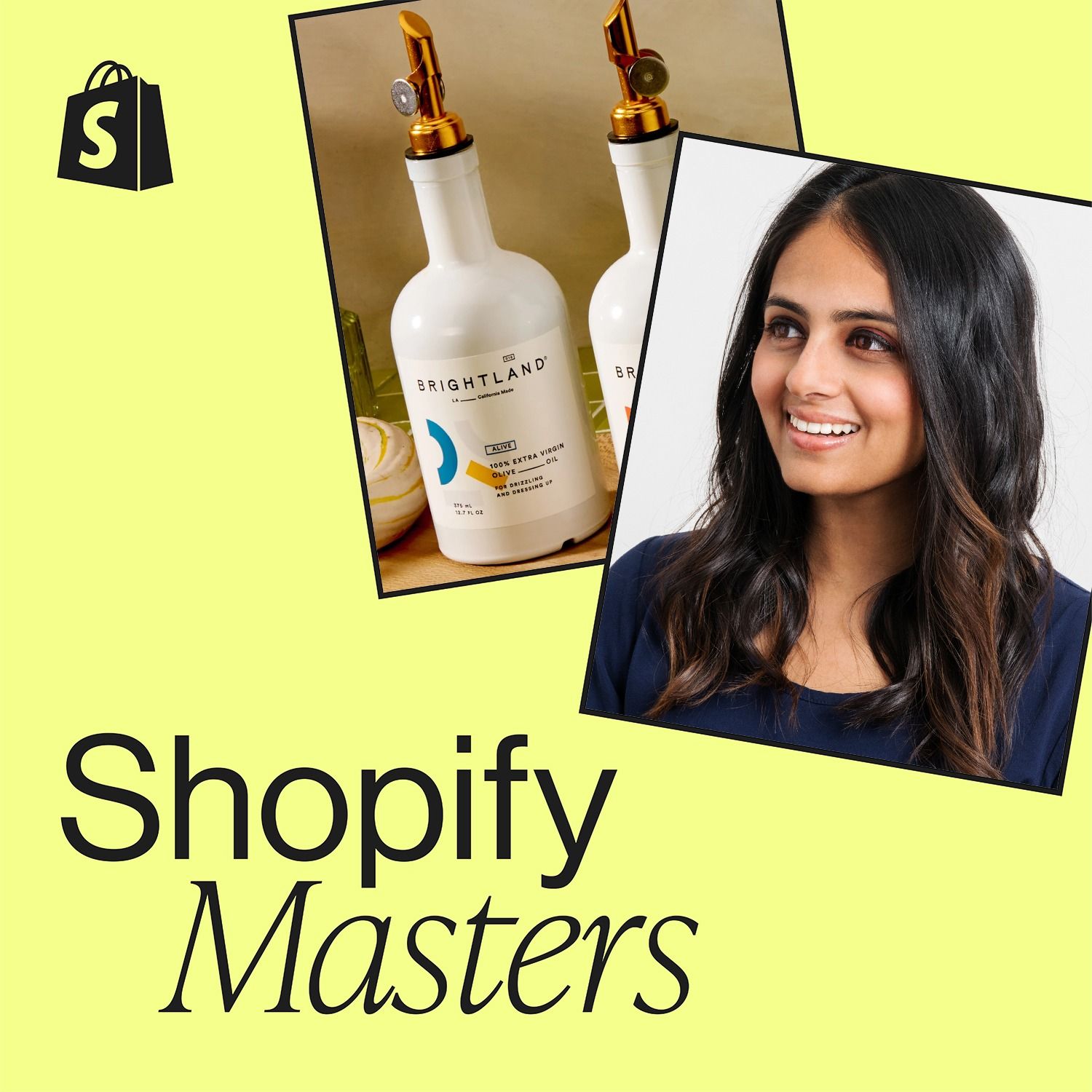
Early-stage success is built on hands-on, unglamorous work. Brightland's founder validated her product not with expensive focus groups, but by personally hosting olive oil tastings for 50 friends in her apartment. This direct, scrappy feedback is irreplaceable.
Related Insights
The job of an early founder isn't to be right, but to discover the truth about the market. This requires shipping imperfect products quickly to test assumptions, gathering harsh feedback, and being humble enough to accept when you are wrong.

Early-stage founders, especially those who are analytically minded, must resist the comfort of spreadsheets and data. The most crucial activity is direct engagement and selling, even if it feels uncomfortable. No amount of analysis can replace the impact of the founder personally championing the product.

Lancer Skincare's founder, a practicing dermatologist, provides a unique feedback channel. Daily patient interactions offer direct insights into product performance and identify market gaps for new products, a method more authentic and effective than traditional focus groups.

Don't start with a rigid belief in your solution. Begin with a problem hypothesis and use customer feedback to discover the right answer. Getting your product out quickly and being humble enough to accept harsh feedback is critical to finding the truth before you run out of time.
The strongest companies are built by founders who have personally and painfully experienced the problem they're solving. This visceral understanding is non-negotiable. Without it, founders can't know what to build or how to achieve third-party validation, wasting immense time and resources.

Activities like discovery interviews and seeking design partners often feel productive and validating. However, they are frequently designed to make founders feel comfortable and avoid the difficulty of real selling and deep immersion. True progress comes from uncomfortable, direct actions, not feel-good processes.
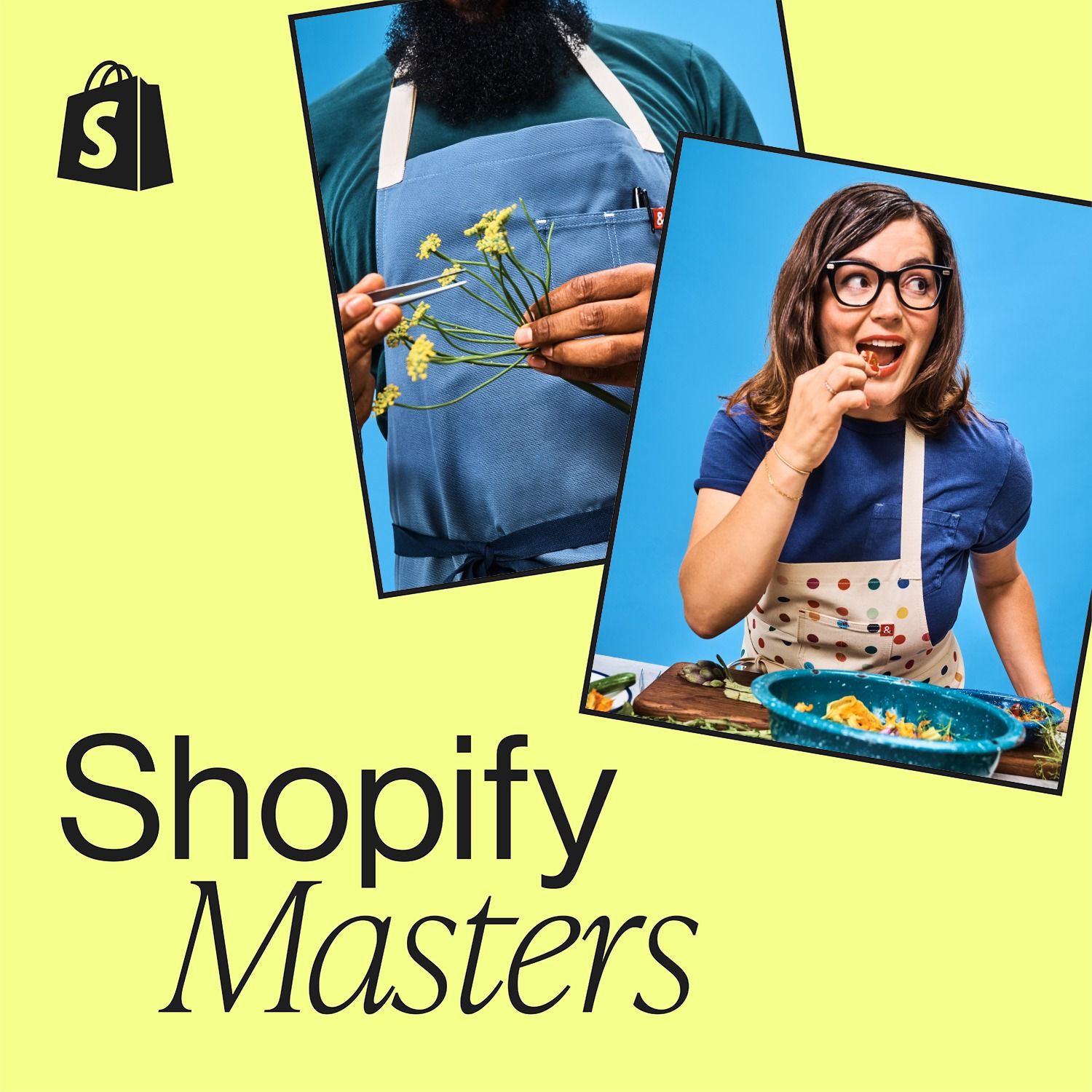
Hedley & Bennett founder Ellen Bennett, a line cook herself, used top chefs as a real-time focus group. By asking her target audience directly what was wrong with existing products and what they needed, she gathered all the building blocks to create a superior product without formal R&D.
Bianca Gates argues against hiding your idea. Success comes from execution, which is impossible in isolation. By "begging" friends and early supporters for help, you build an invested community that becomes part of the product's iteration and success from day one.

During its long, pre-revenue build, Runway couldn't rely on constant market feedback. Instead, they depended on the founder's "taste"—defined as knowing what's good without external validation. This internal conviction is crucial for ambitious products that aren't a "random walk" of testing.

Bette Bentley compares early entrepreneurship to motherhood: much of the work is invisible and lacks immediate validation. Learning to operate on gut instinct without constant praise as a mom directly prepared her for the isolated, thankless grind of a pre-traction startup.
