Get your free personalized podcast brief
We scan new podcasts and send you the top 5 insights daily.
To maintain a culture of innovation and prevent stagnation, Palantir institutionalizes rebellion. Twice a year, they hold 'weeks of revolt' where employees can build whatever they want, with the explicit goal of proving the current strategy is wrong. This creates a perpetual motor of self-disruption driven by truth-seeking.
![Shyam Sankar - Celebrating Heretics - [Invest Like the Best, EP.462] thumbnail](https://megaphone.imgix.net/podcasts/9dee904c-1bbf-11f1-a1a6-0b200fdaa525/image/57910f03f82ede99259c53f5e5404f6a.jpg?ixlib=rails-4.3.1&max-w=3000&max-h=3000&fit=crop&auto=format,compress)
Related Insights
To avoid incrementalism when setting goals, organizations should use zero-based budgeting to define 'moonshots' from scratch. Additionally, internal innovation tournaments empower teams to set their own goals; passionate employees often set more ambitious targets for themselves than leadership would have imposed from the top down.

Large corporations can avoid stagnation by intentionally preserving the "scrappy" entrepreneurial spirit of their early days. This means empowering local teams and market leaders to operate with an owner's mindset, which fosters accountability and keeps the entire organization agile and innovative.

Palantir's success stems from its "anti-playbook" culture. It maintains a flat, meritocratic structure that feels like a startup despite its size. This environment fosters original thinking and rewards those who excel outside of rigid, conventional frameworks, turning traditionally undervalued traits into strengths.
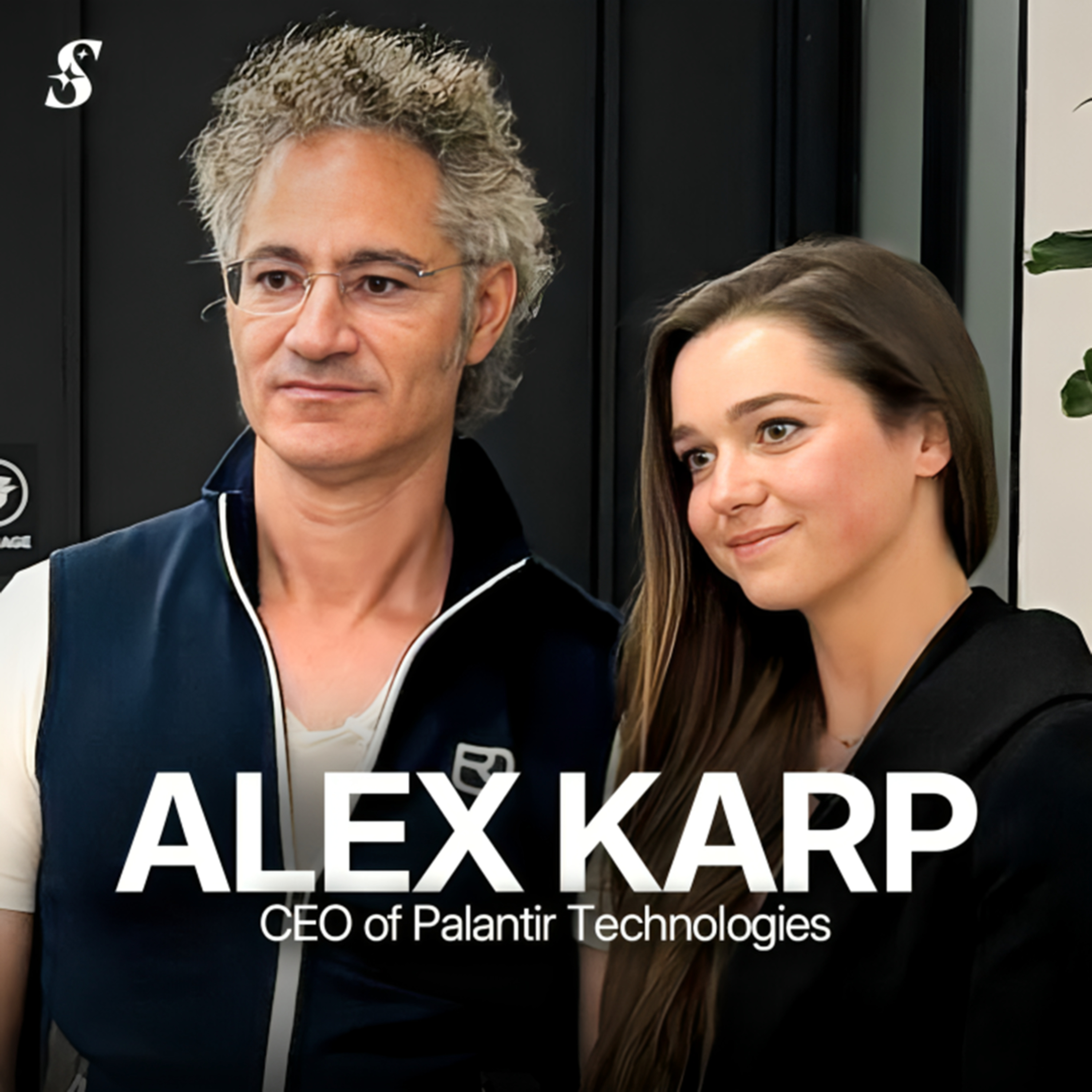
As part of their annual strategy refresh, a top CEO leads her team in a "blank sheet" exercise: designing a new company from scratch to compete with them. This proactive self-disruption forces them to identify their own weaknesses and market gaps, generating fresh ideas to incorporate into their actual business strategy.

The company's leadership philosophy, borrowed from Palantir, is to hire highly opinionated and sometimes difficult talent. While this feels chaotic, these individuals are essential for innovation and adaptation, unlike talent that merely optimizes existing, stable systems.
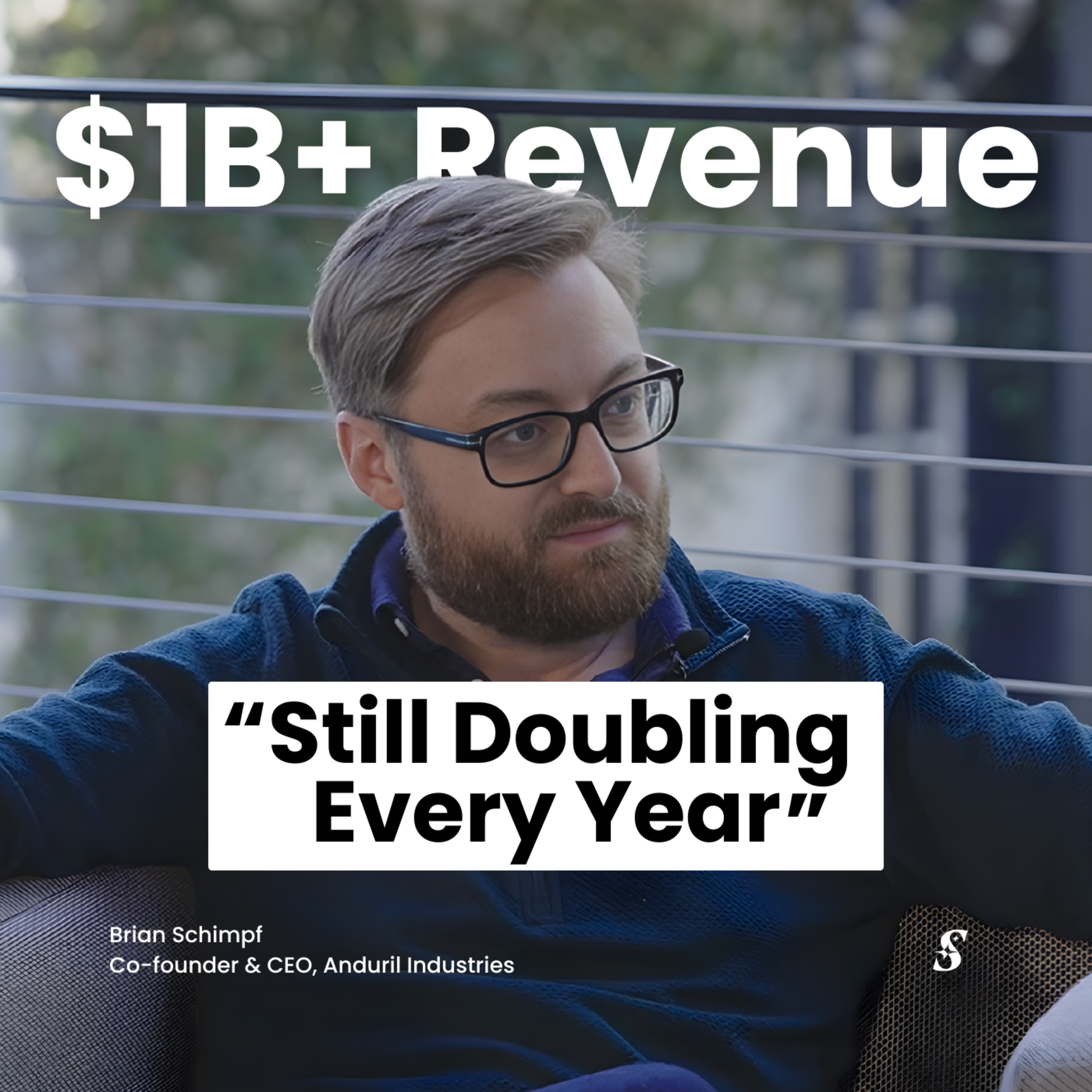
The common practice of hiring for "culture fit" creates homogenous teams that stifle creativity and produce the same results. To innovate, actively recruit people who challenge the status quo and think differently. A "culture mismatch" introduces the friction necessary for breakthrough ideas.

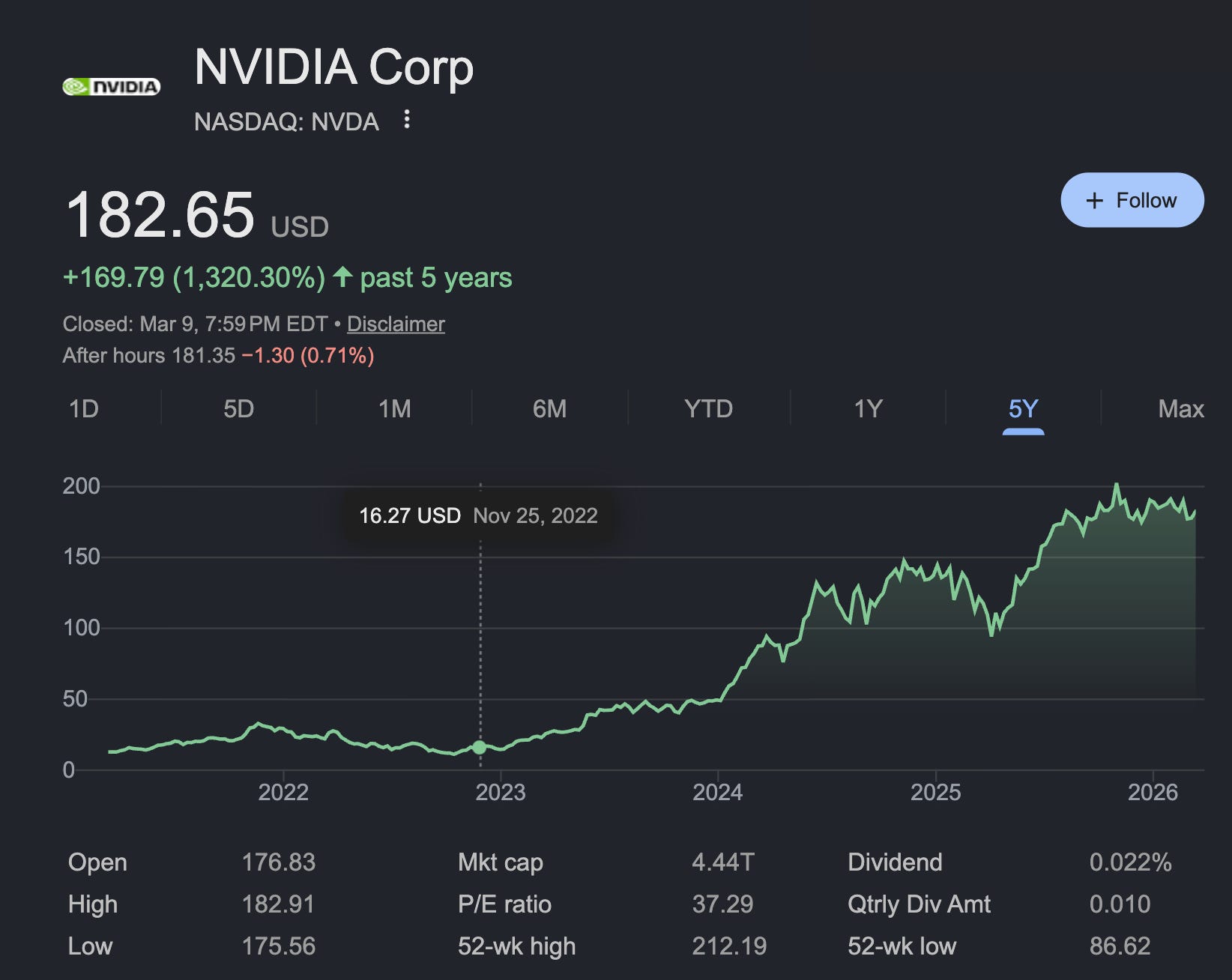
Unlike typical large corporations with rigid roles, NVIDIA encourages a fluid structure where employees can pursue their interests and propose new initiatives. This "pickup basketball" culture allows talent to self-organize around compelling projects, leading to state-of-the-art work across many domains.
To avoid corporate stagnation, every meeting should have a metaphorical empty "founder chair." This represents the voice that challenges consensus, calls bullshit, and pushes for extraordinary, non-linear outcomes, ensuring the founder's disruptive mentality persists even in their absence.
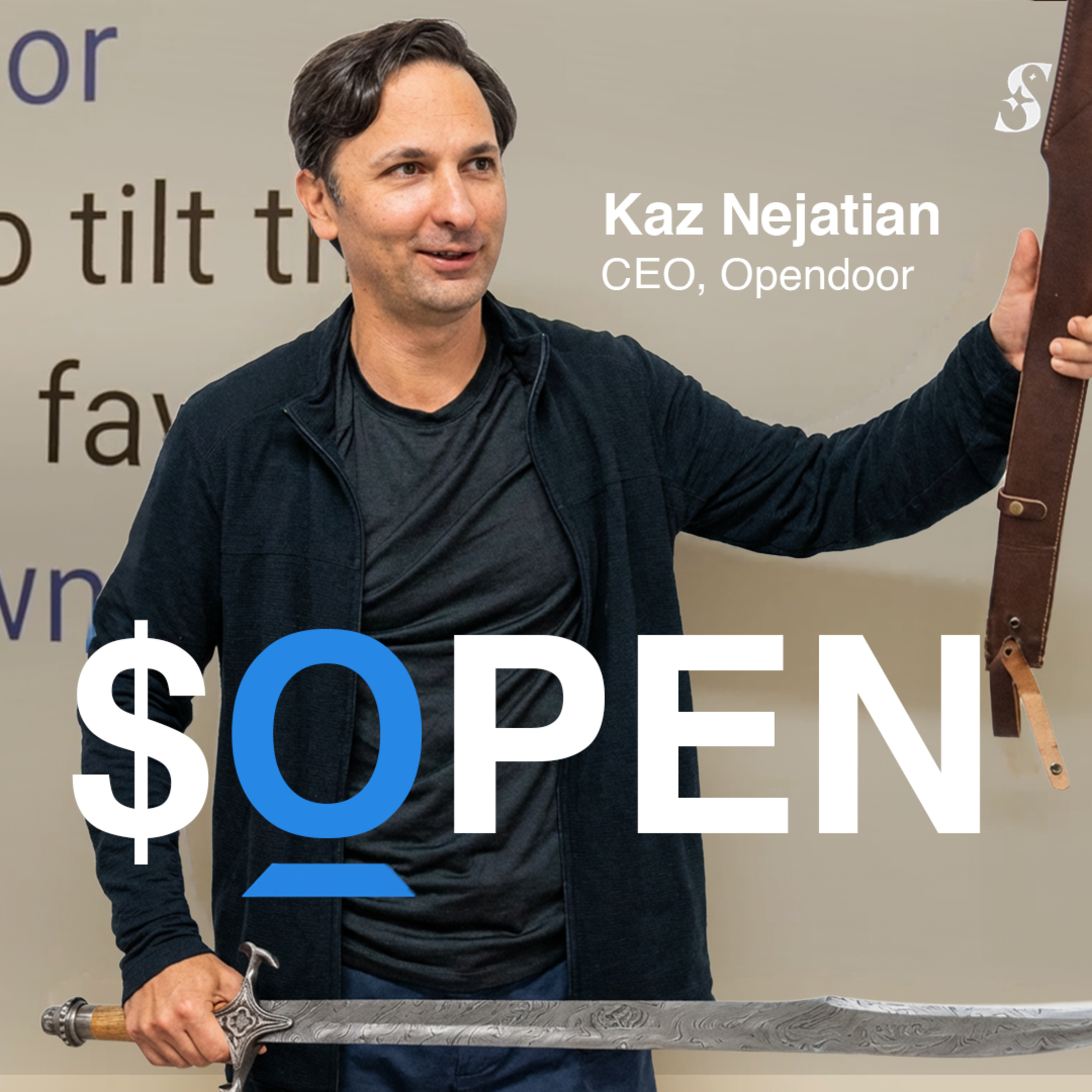
Brex formed a small, centralized AI team by asking, "What would a company founded today to disrupt Brex look like?" This team operates with the speed and focus of a startup, separate from the main engineering org to avoid corporate inertia.

To foster psychological safety for innovation, leaders must publicly celebrate the effort and learning from failed projects, not just successful outcomes. Putting a team on a pedestal for a six-month project that didn't ship sends a stronger signal than any monetary award.
