Get your free personalized podcast brief
We scan new podcasts and send you the top 5 insights daily.
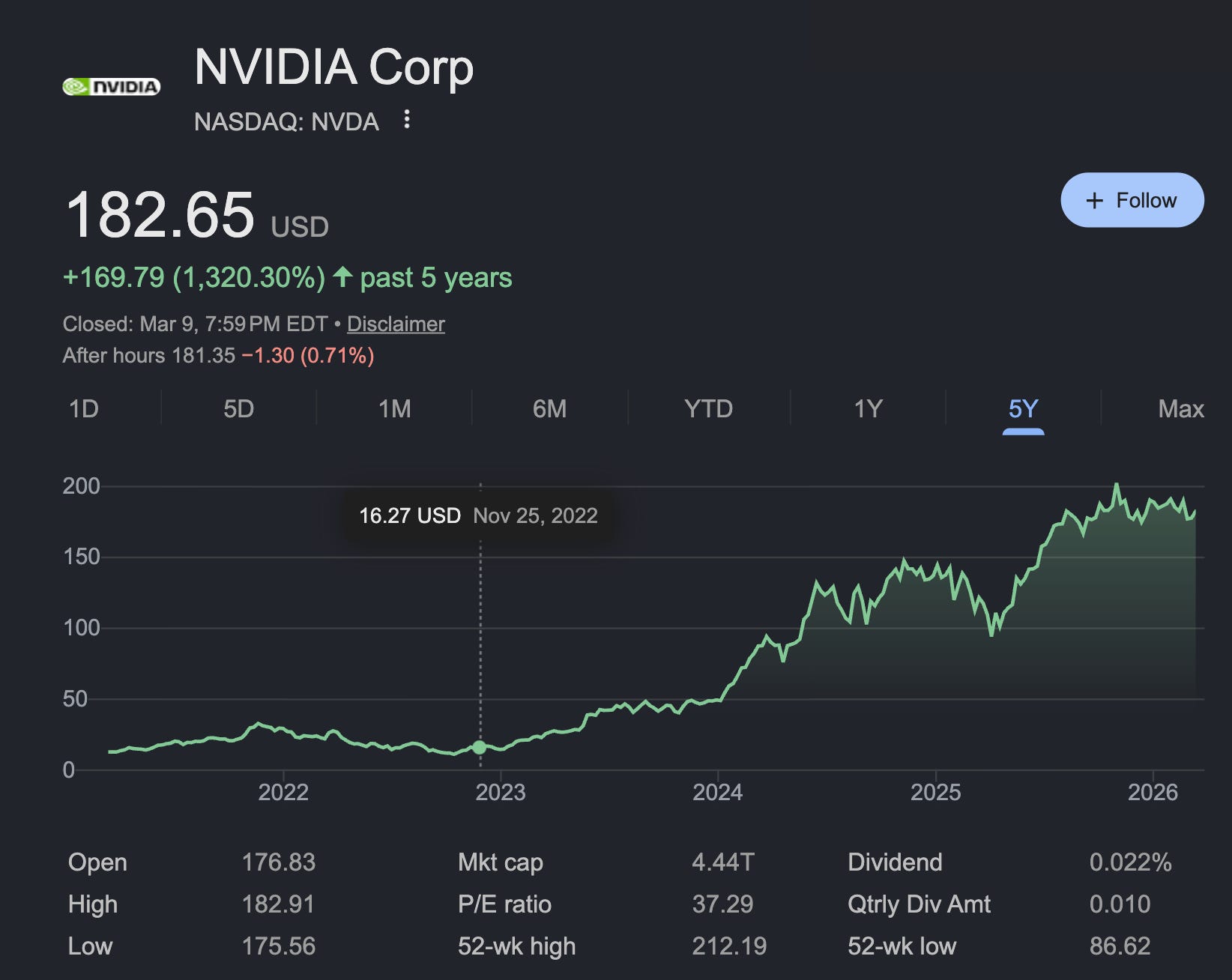
Unlike typical large corporations with rigid roles, NVIDIA encourages a fluid structure where employees can pursue their interests and propose new initiatives. This "pickup basketball" culture allows talent to self-organize around compelling projects, leading to state-of-the-art work across many domains.
Related Insights
Beyond a certain salary, top engineers are driven by creative purpose, not just compensation. Excel Data retains talent by encouraging engineer-led initiatives, such as building their own open-source data platform (ODP) or AI vulnerability-fixing agents, which fosters a culture of meaningful innovation.

The most successful companies deploying AI use a "leadership lab and crowd" model. Leadership provides clear direction, while the entire organization is given access to tools to experiment and discover novel use cases. An internal team then harvests these grassroots ideas for strategic implementation.

Huang eschews traditional hierarchy, engaging directly with employees at all levels and delivering feedback publicly. This "parallel processing" management style ensures rapid, simultaneous learning across the organization, mirroring the architecture of the GPUs his company builds and creating a uniquely flat structure for a company of its size.

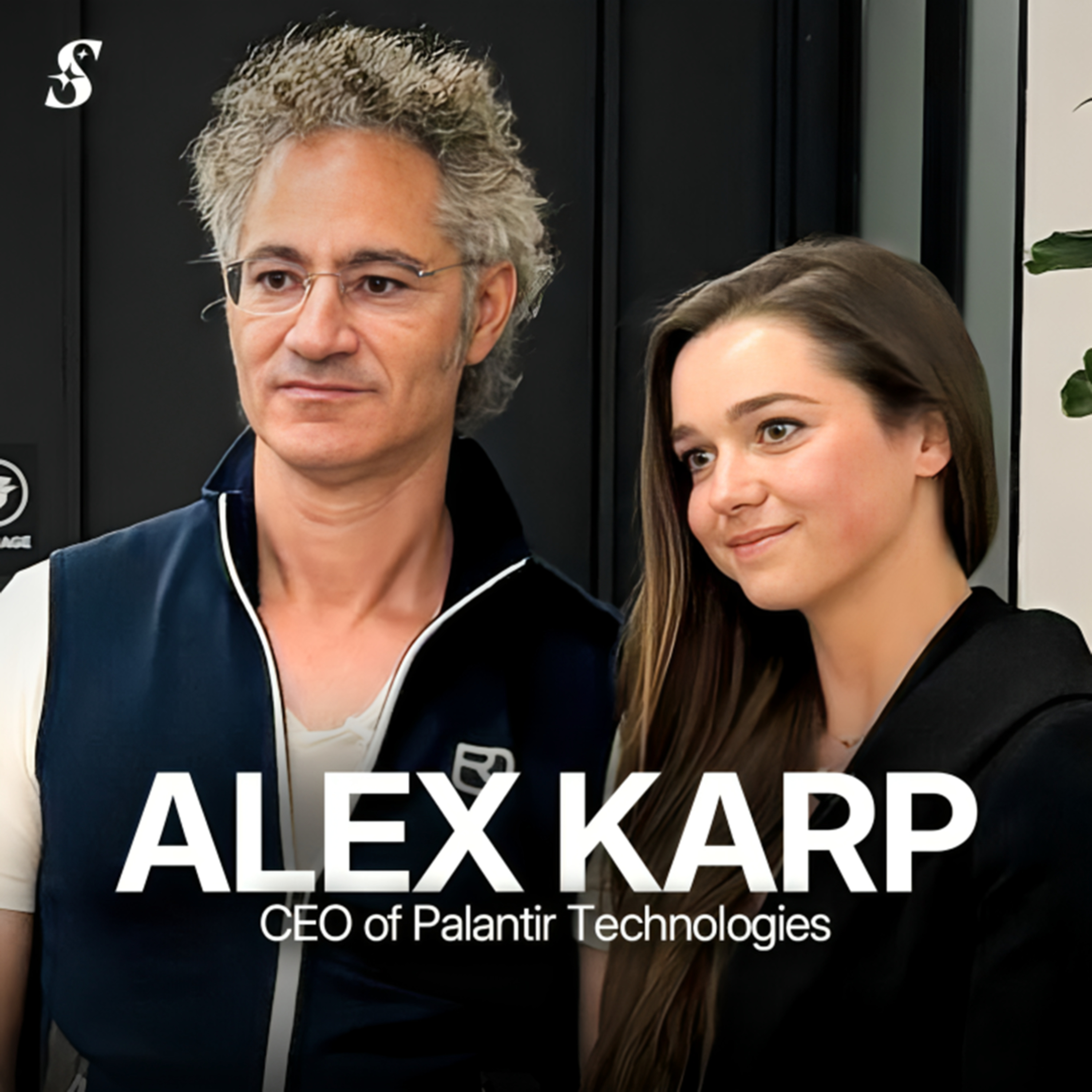
Palantir's success stems from its "anti-playbook" culture. It maintains a flat, meritocratic structure that feels like a startup despite its size. This environment fosters original thinking and rewards those who excel outside of rigid, conventional frameworks, turning traditionally undervalued traits into strengths.
Contrary to the belief that it has faded, Google's culture of employee-driven innovation persists. Roughly 20% of projects in the experimental Google Labs, such as the 'Learn Your Way' educational tool, originate from employees' '20% time' outside their core roles and teams.

Siphoning off cutting-edge work to a separate 'labs' group demotivates core teams and disconnects innovation from those who own the customer. Instead, foster 'innovating teams' by making innovation the responsibility of the core product teams themselves.

Jensen Huang maintains an extremely flat organization with around 60 direct reports and no one-on-one meetings. This unconventional structure is designed to accelerate information travel, empower senior leaders, and weed out those who can't operate without direct guidance.

At the AI-native company Cursor, roles are "really muddy." Team members contribute based on individual strengths—like visual design or systems architecture—and use AI agents to bridge skill gaps and tie work together. This creates a more fluid and efficient team structure.

DeepMind sets ambitious, top-down research agendas but grants interdisciplinary teams (e.g., bioethicists and neuroscientists) the autonomy to explore solutions. This model, inspired by Bell Labs, the Apollo program, and Pixar, fosters a culture of both directed research and creative freedom.
To foster a culture of innovation, leaders should openly encourage employees to replace their current roles with AI. This is achieved by guaranteeing them a new, higher-value position within the company and even exploring novel incentives like forward-vesting their equity, effectively rewarding them for reducing operational costs.
