Get your free personalized podcast brief
We scan new podcasts and send you the top 5 insights daily.
Brands perceived as "corny" or "outdated" can be highly successful. They cater to a massive, loyal market that tastemakers and the "chattering class" often ignore, proving that broad appeal can be more profitable than being "cool."

Related Insights
A brand's history is a valuable asset. The most powerful ideas for future growth are often rooted in the brand's 'archaeology.' Reviving timeless concepts, like the Pepsi Taste Challenge, and making them culturally relevant today is often more effective than chasing novelty.

Aldi transformed its low-price, no-name-brand image into a cultural phenomenon. By leaning into the 'fun of frugality' and creating experiences like the 'Aldi Aisle of Shame,' they built a powerful fandom and brand identity around the very absence of traditional brands, turning a weakness into a core strength.
Nutter Butter, a 55-year-old brand, successfully engaged a younger audience by embracing absurdist, meme-style humor. This risky strategy, while potentially alienating some, is effective for generating deep brand love because it requires taking a bold, creative stand.
Enduring 'stay-up' brands don't need to fundamentally reinvent their core product. Instead, they should focus on creating opportunities for consumers to 'reappraise' the brand in a current context. The goal is to make the familiar feel fresh and relevant again, connecting it to modern culture.
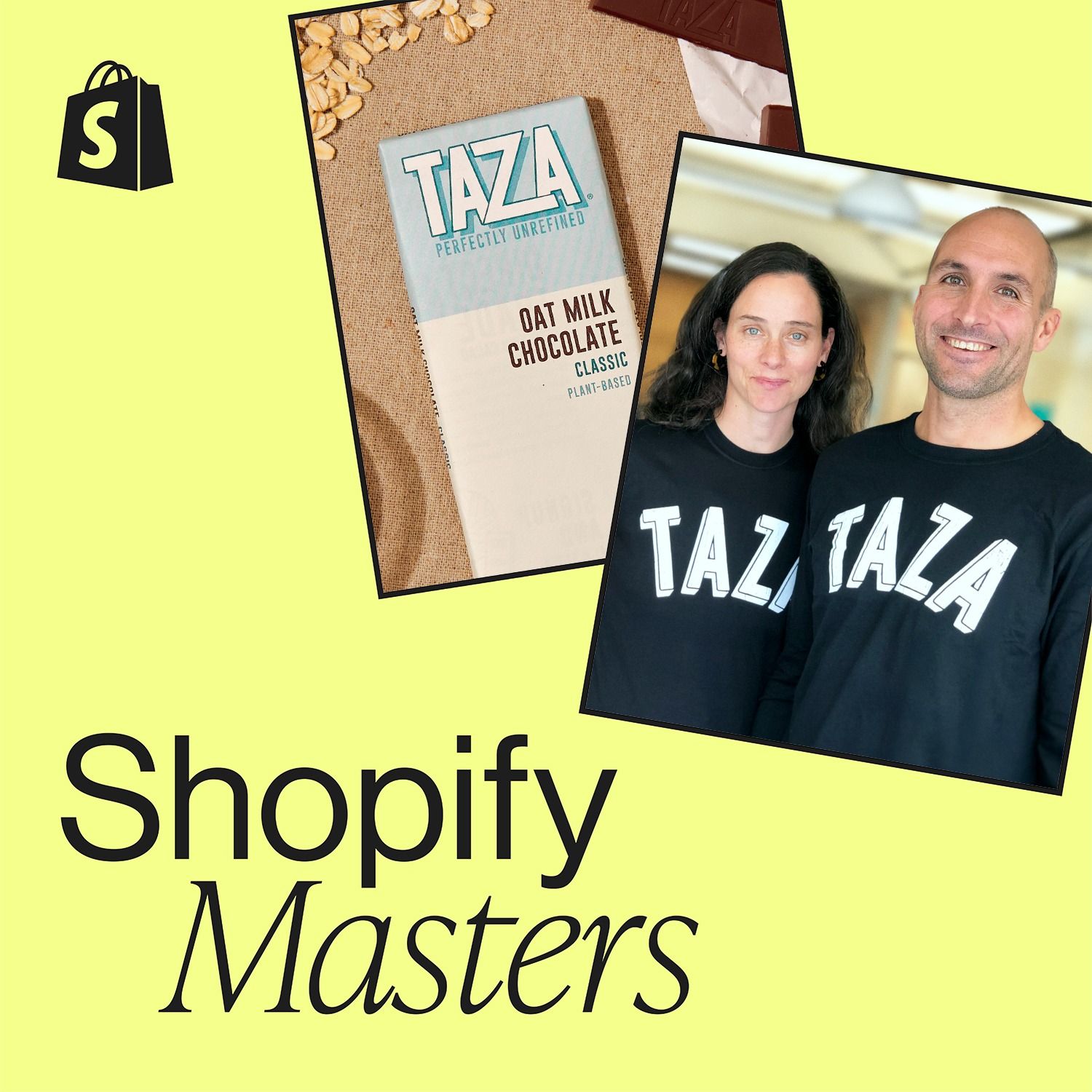
In a market dominated by corporations, Taza found a defensible niche by making a "polarizing" stone-ground chocolate. This strategy of appealing intensely to a core group, rather than pleasing the mass market, was key to their survival and success as a small business.
Chick-fil-A spent millions trying to replace its long-running cow campaign, but research always confirmed "the market likes it." Effective marketing sticks with what demonstrably works, even if it feels repetitive or uncreative to the internal team. Don't change for the sake of change.

The company was almost named "Delicious Designs," a generic name. The breakthrough came when they realized their simple, descriptive tagline, "The Edible Arrangement," was the most powerful and memorable name because it clearly communicated the product's value proposition.
While brands can create products with a sophisticated, coastal aesthetic (NY, LA), true scale comes from marketing that appeals to the "center of America." Tactics like cash-back raffles or product giveaways resonate strongly with this demographic and drive mass adoption.

The founder realized her premium honey sold better in gift and souvenir shops where brand story matters more than price. This was more profitable and a better brand fit than traditional grocery stores with their high margins and unfavorable terms.

Bold Bean Co. found that creating a premium product in a "forgotten, dull" category like beans was a strategic advantage. The novelty makes consumers talk. People find it entertaining to become obsessed with beans, generating more word-of-mouth than launching yet another premium chocolate brand.