Get your free personalized podcast brief
We scan new podcasts and send you the top 5 insights daily.
A brand's history is a valuable asset. The most powerful ideas for future growth are often rooted in the brand's 'archaeology.' Reviving timeless concepts, like the Pepsi Taste Challenge, and making them culturally relevant today is often more effective than chasing novelty.

Related Insights
Enduring 'stay-up' brands don't need to fundamentally reinvent their core product. Instead, they should focus on creating opportunities for consumers to 'reappraise' the brand in a current context. The goal is to make the familiar feel fresh and relevant again, connecting it to modern culture.
As businesses scale, they often abandon the scrappy, creative tactics that sparked their initial growth. To combat rising ad costs and channel fatigue, intentionally revisit these early, 'unscalable' activities. Re-injecting that fun, different energy can generate the 'free memories' and reach needed for the next growth phase.
"Culture" is often used too broadly. Brands should focus on "Little C" culture by tapping into existing pillars like music or sports. "Big C" culture—macro societal shifts—is a rare feat achievable only by platform-level brands like TikTok.

To grow an established product, introduce new formats (e.g., Instagram Stories, Google AI Mode) as separate but integrated experiences. This allows you to tap into new user behaviors without disrupting the expectations and mental models users have for the core product, avoiding confusion and accelerating adoption.

The most effective CMOs see themselves as 'architects of growth.' Their core function is to bridge consumer/human growth opportunities with commercial goals, blending the science of data and the art of creativity to design a holistic, company-wide vision for expansion.
Framing content creation through a "legacy lens"—asking if a piece of work would matter if it were your last—fundamentally shifts the focus. It moves beyond tactical strategy ('what works') to core beliefs ('what's worth saying'), resulting in more meaningful and impactful communication.

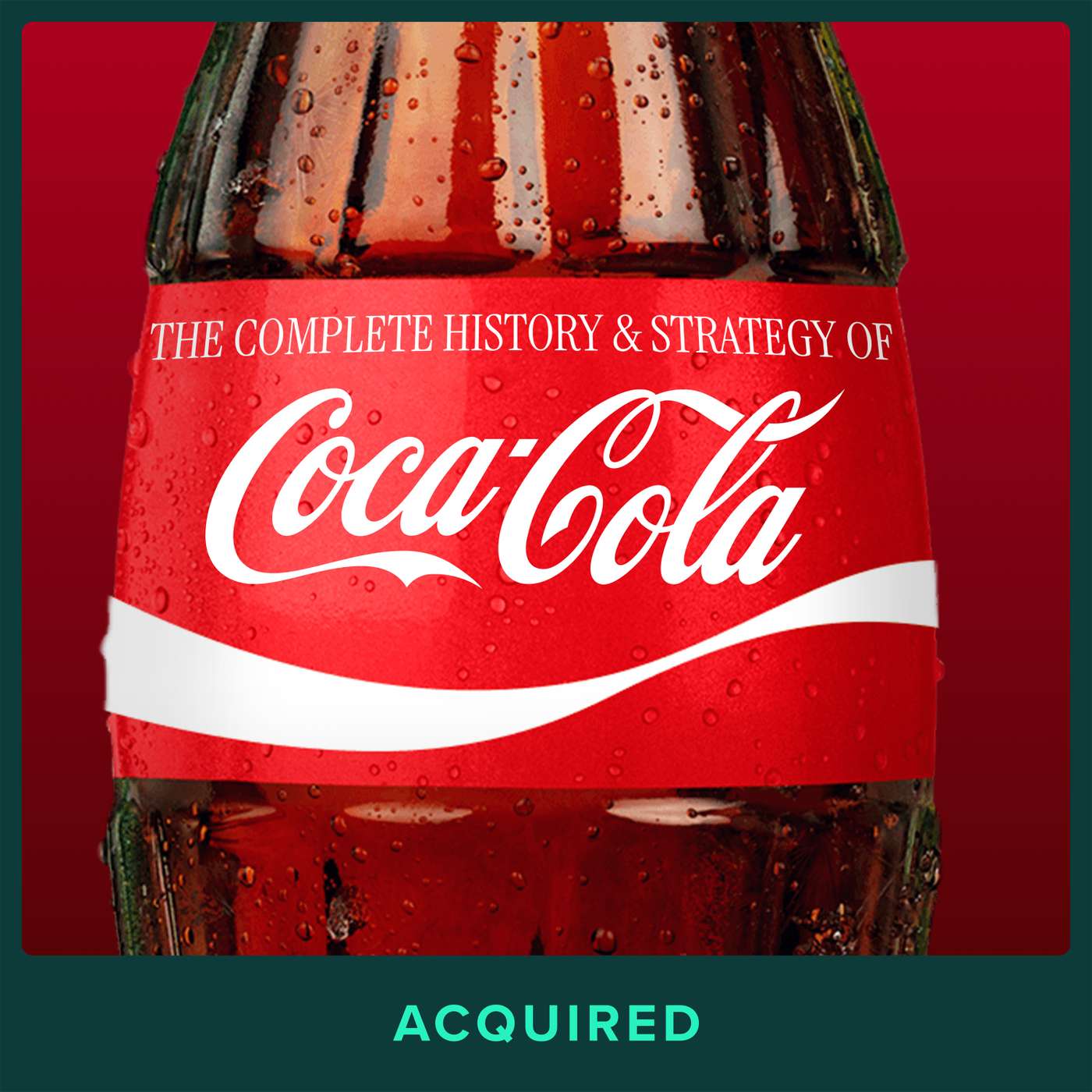
The disastrous "New Coke" launch, intended to win taste tests, triggered a massive public outcry that demonstrated the brand's deep cultural power. By bringing back "Coca-Cola Classic," the company inadvertently created the most effective marketing campaign imaginable, reminding consumers of their love for the original and halting Pepsi's momentum.
Simply adding a celebrity to an ad provides no average lift in effectiveness. Instead, marketers should treat the brand’s own distinctive assets—like logos, sounds, or product truths—as the true 'celebrities' of the campaign. This builds stronger, more memorable brand linkage and long-term equity.
The rapid pace of change, accelerated by AI, demands brands become more fluid. Rigid, static brand guidelines are obsolete, replaced by generative systems that can evolve with user needs and market trends while retaining a core identity.

LoveSack operated successfully for years based on product instinct alone. However, transformational growth occurred only after the company intentionally defined its core brand philosophy—'Designed for Life'—and then amplified that clear message with advertising. This shows that a well-defined brand story is a powerful, distinct growth lever, separate from initial product-market fit.