Get your free personalized podcast brief
We scan new podcasts and send you the top 5 insights daily.
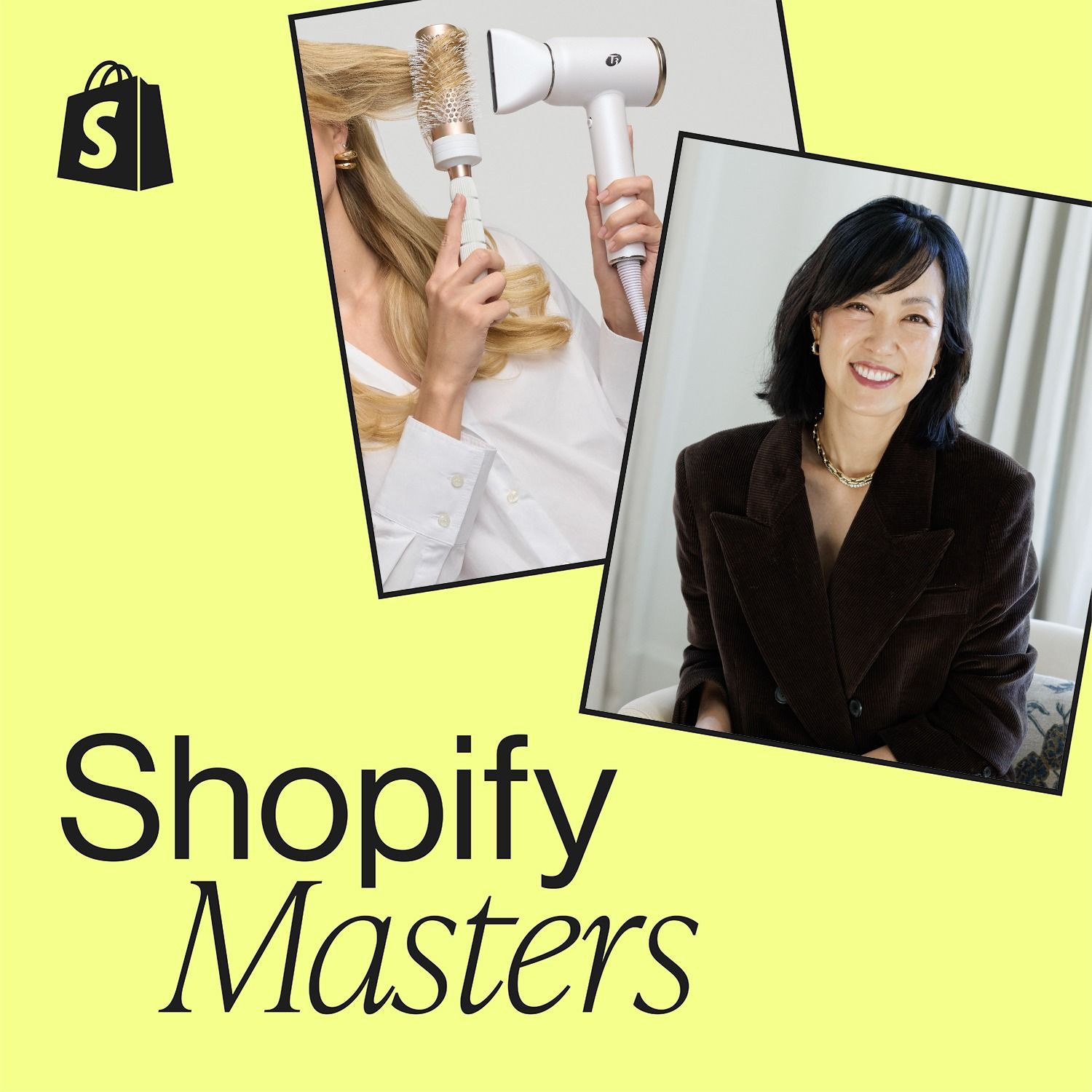
T3 successfully launched in Sephora without VC funding by first building a profitable business in the salon channel. They generated $4 million in sales, creating the cash flow necessary to meet Sephora's inventory demands and payment terms. This allowed them to scale into major retail by spending what they had already earned.
Related Insights
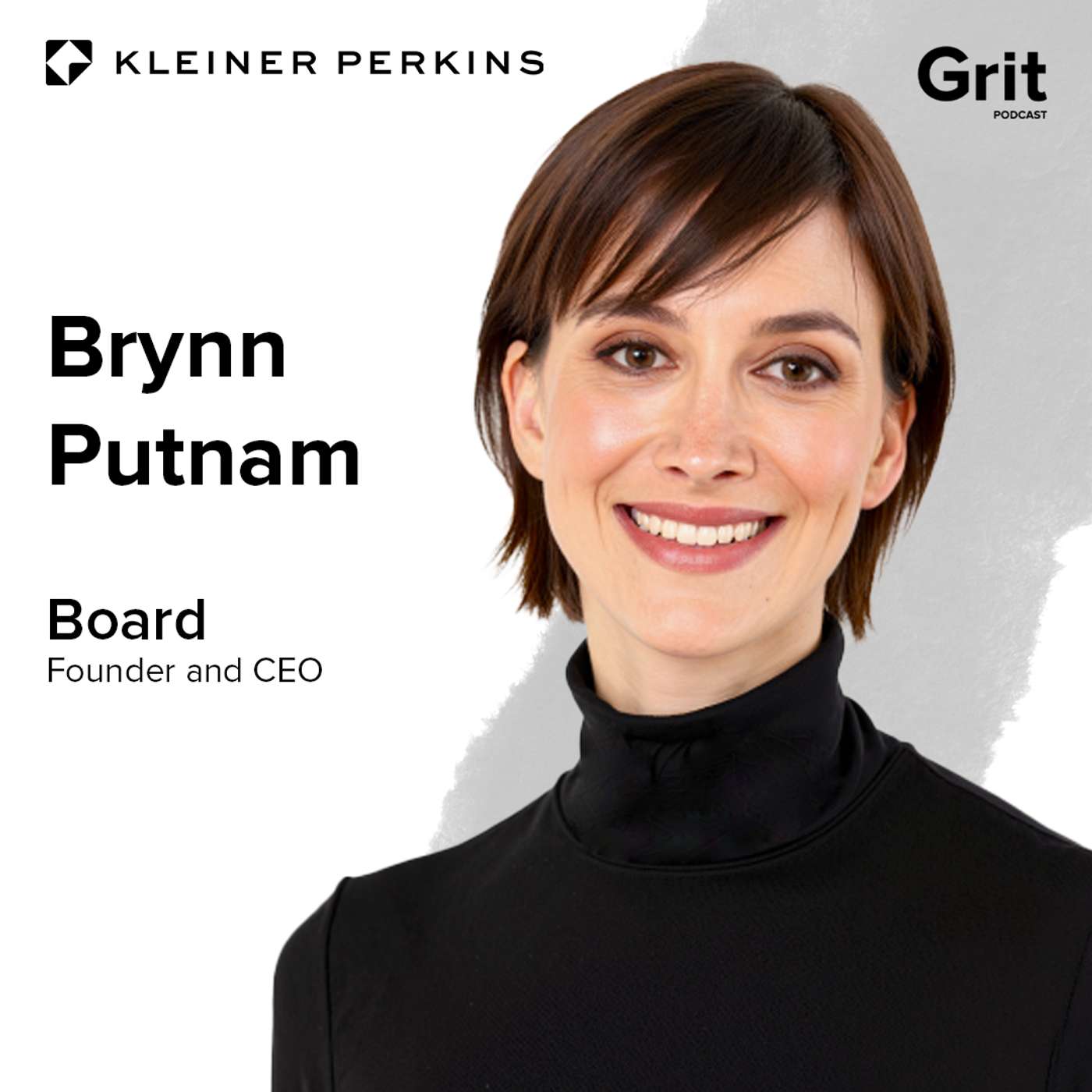
Before raising venture capital for Mirror, founder Bryn Putnam bootstrapped the initial year of R&D using profits from her four successful fitness studios. This provided non-dilutive capital and a safety net, allowing her to explore the high-risk hardware concept without immediate investor pressure.
While VCs pushed direct-to-consumer, Faherty's founders blended wholesale, retail, and online sales. This diversified revenue, managed cash flow via wholesale factoring, and built brand presence in a way a pure-play DTC model couldn't.

T3's journey with Sephora shows that retail relationships are dynamic. After a successful launch, they were removed from brick-and-mortar stores for nearly a decade, surviving on online sales. They later returned to shelves by introducing new, innovative products. This illustrates that losing shelf space isn't final and can be regained with fresh offerings.
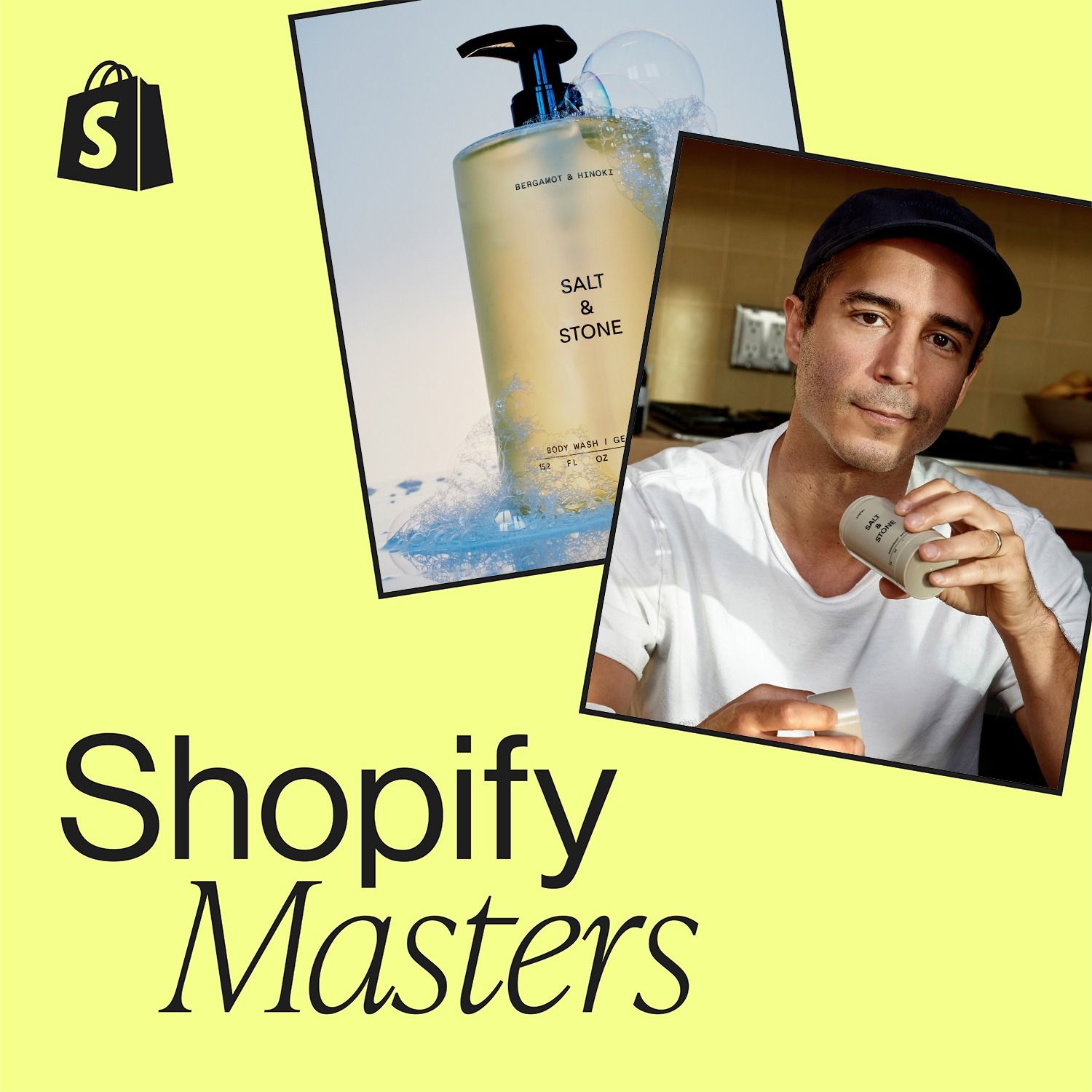
The company never proactively pitched major retailers. Instead, they focused on creating a powerful digital presence and a superior product. This strategy made the brand so desirable that major players like Sephora initiated the partnership, flipping the traditional wholesale sales dynamic.
Despite beverages being a category people rarely buy online, Breeze generated tens of millions in DTC sales. This built a huge base of customers who preferred to buy in-store, creating a powerful demand flywheel. When Breeze launched in retail, it sold four months of inventory in two weeks.

Facing limited capital, Faherty leaned on wholesale. They used factoring—getting advances on purchase orders from established retailers like Nordstrom—to manage cash flow and fund production, a capital-efficient alternative to dilutive venture rounds.
Avoid the classic bootstrap vs. raise dilemma by using customer financing. Pre-sell your product or service to a group of early customers. This strategy not only provides the necessary starting capital without giving up equity but also serves as the ultimate form of market validation.

The company's survival without investors hinged on a simple principle: collect customer deposits and full payments well before a trip, but pay vendors (like hotels) after the trip concludes. This created a positive cash flow cycle that funded operations and growth from day one.
The founder considered raising a round to fund a new product channel. However, organic revenue growth accelerated faster than investment opportunities materialized. This allowed him to hire an engineer and build the feature without dilution, proving customer revenue can be the fastest and best source of capital.

Without VC funding, Free Soul couldn't afford to acquire customers at a loss. Their core financial rule was that customer acquisition costs must be lower than the gross margin on the very first purchase, a strict focus on unit economics that fueled their sustainable growth.