Get your free personalized podcast brief
We scan new podcasts and send you the top 5 insights daily.
The company's survival without investors hinged on a simple principle: collect customer deposits and full payments well before a trip, but pay vendors (like hotels) after the trip concludes. This created a positive cash flow cycle that funded operations and growth from day one.

Related Insights
Before launching, Tom Hale embarked on a 5,000-mile solo bike trip around the Western US. This immersive experience served as deep market research and product development, directly shaping the company's initial focus on tours through national parks.
Avoid the classic bootstrap vs. raise dilemma by using customer financing. Pre-sell your product or service to a group of early customers. This strategy not only provides the necessary starting capital without giving up equity but also serves as the ultimate form of market validation.

By ensuring customers pay back their acquisition cost quickly, you eliminate cash as a growth bottleneck. This self-sufficiency means you aren't forced to take loans or investment prematurely, allowing you to negotiate from a position of strength and on your own terms if and when you decide to raise capital.

By engineering your model so that the gross profit from a new customer in their first 30 days exceeds your acquisition cost (CAC), you can fund marketing on an interest-free credit card. The customer's own payment repays the debt before interest accrues, creating a self-funding growth loop.

Instead of chasing massive, immediate growth, Chomps' founders focused on a sustainable, self-funded model. This gradual scaling allowed them to control their destiny, prove their model, and avoid the pressures of early-stage investors, which had burned one founder before.

Despite a $50 million exit from their previous company, the Everflow founders intentionally limited their initial investment to a few hundred thousand dollars and didn't take salaries for two years. They believed capital scarcity forces focus and efficiency, preventing wasteful spending while they were still figuring out the product.

Venture capital can create a "treadmill" of raising rounds based on specific metrics, not building a sustainable business. Avoiding VC funding allowed Donald Spann to maintain control, focus on long-term viability, and build a company he could sustain without external pressures or risks.

This model focuses on rapid cash conversion by making gross profit from a new customer in the first 30 days exceed twice the cost of acquiring and serving them. This self-funding loop eliminates cash flow as a growth constraint, allowing for aggressive scaling.

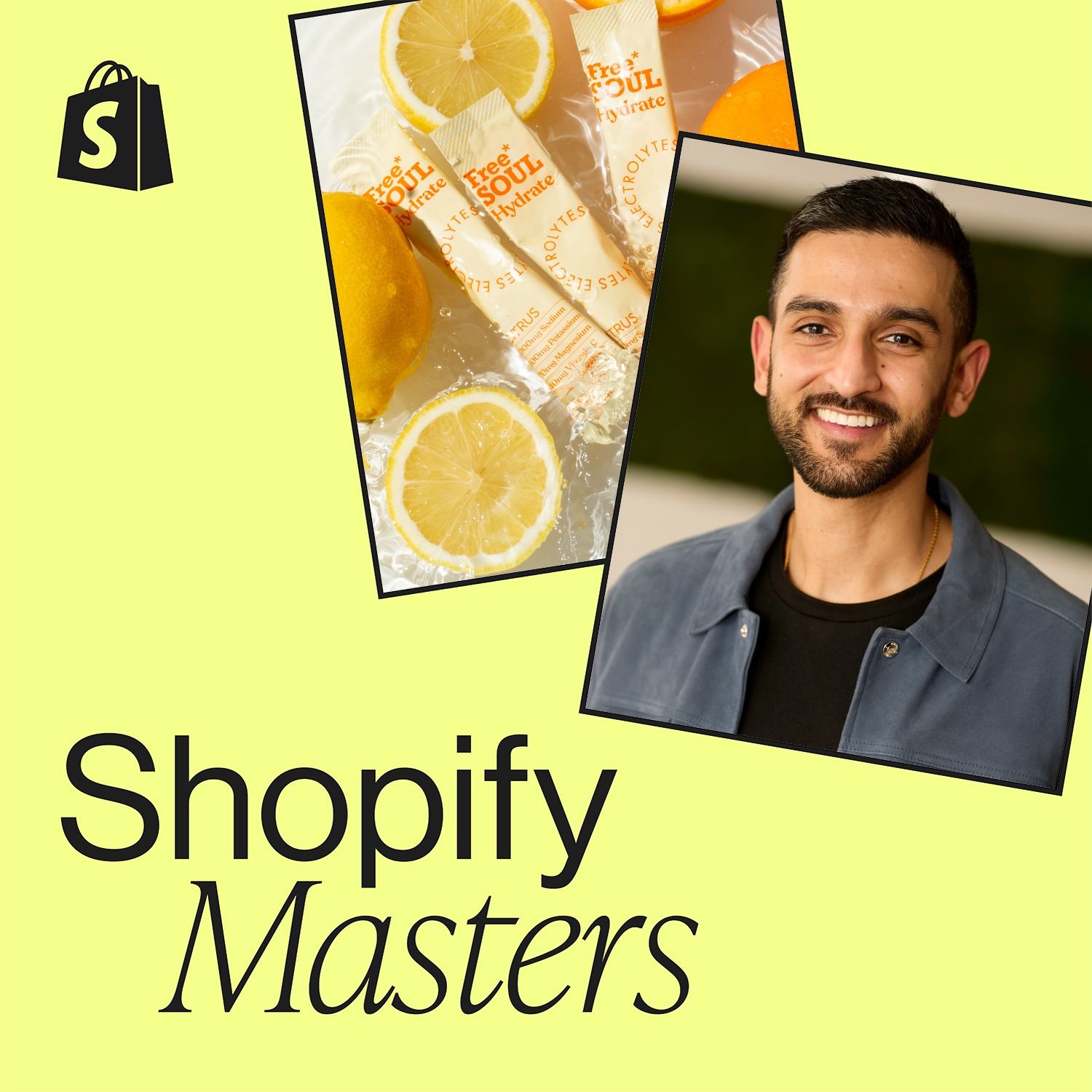
Without VC funding, Free Soul couldn't afford to acquire customers at a loss. Their core financial rule was that customer acquisition costs must be lower than the gross margin on the very first purchase, a strict focus on unit economics that fueled their sustainable growth.
To overcome cash flow issues for large purchases, small businesses can offer a 'Special Purpose Vehicle' (SPV) to loyal customers. A customer fronts the capital, gets repaid first from the sales, and then splits the remaining profit with the business, turning patrons into financial partners.
