Get your free personalized podcast brief
We scan new podcasts and send you the top 5 insights daily.
The company never proactively pitched major retailers. Instead, they focused on creating a powerful digital presence and a superior product. This strategy made the brand so desirable that major players like Sephora initiated the partnership, flipping the traditional wholesale sales dynamic.
Related Insights
Getting into one local Whole Foods wasn't just a sale; it was a key. Travis immediately leveraged that single, high-credibility placement to persuade other local retailers to carry his product. He understood that one prestigious "yes" acts as powerful social proof, creating a domino effect for distribution.

Despite beverages being a category people rarely buy online, Breeze generated tens of millions in DTC sales. This built a huge base of customers who preferred to buy in-store, creating a powerful demand flywheel. When Breeze launched in retail, it sold four months of inventory in two weeks.

Numi initially used a wholesale model but found it ineffective. They were relying on third-party retail staff to explain a new product category and address the social stigma around sweating. Shifting to direct-to-consumer (DTC) allowed them to control the narrative, educate customers directly, and grow 300%.
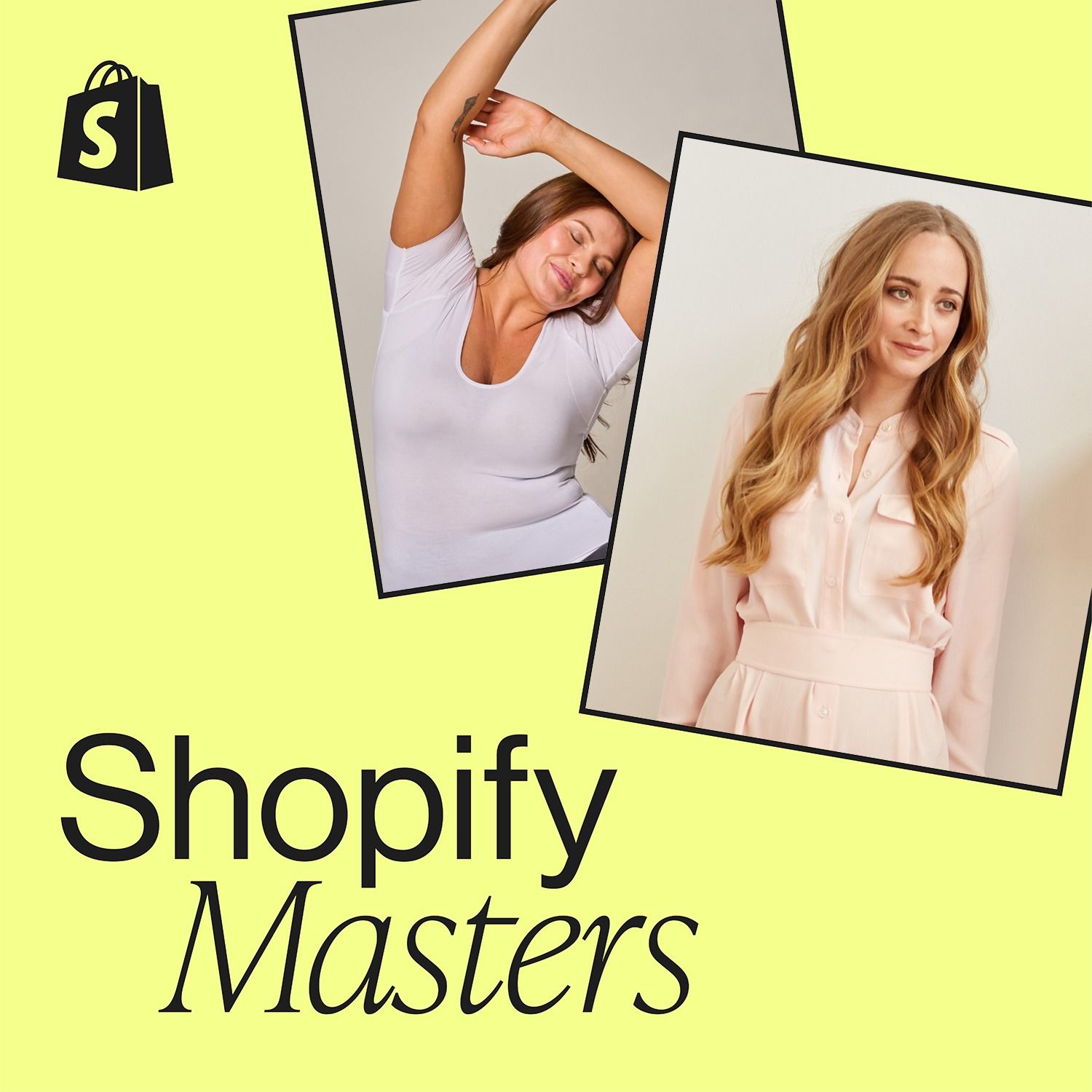
Rather than viewing retail partners as mere buyers, Beekman 1802 treated them as strategic consultants. They actively asked for guidance on scaling production, finding labs, and co-manufacturers, leveraging the retailer's expertise and vested interest in their success.
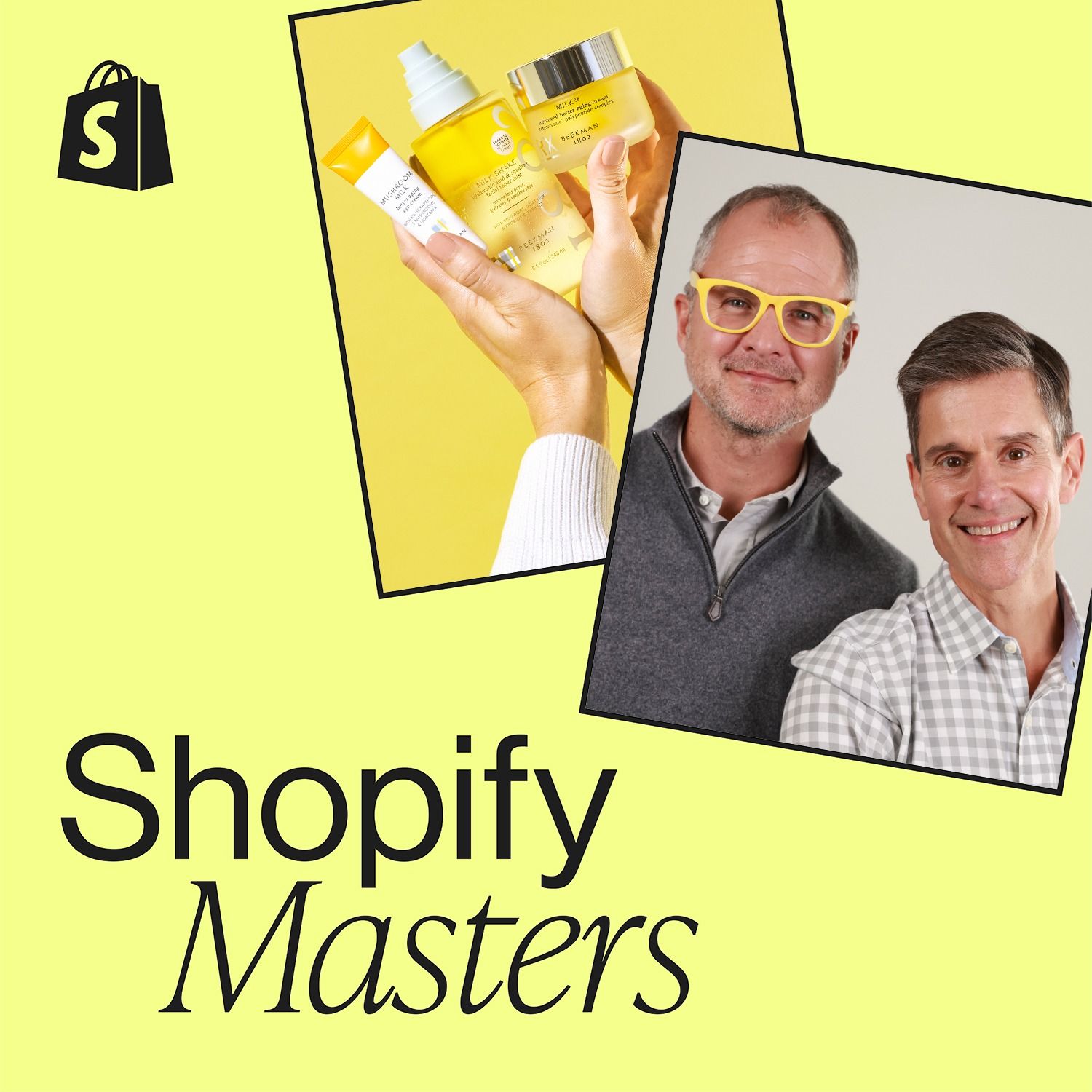
Malk, a retail-focused brand, built a Shopify site not for direct sales but to control messaging, connect with consumers, and gather data. Their site uses technology allowing users to add products to a local retailer's online cart. This creates a valuable, albeit incomplete, data point on purchase intent for a channel that traditionally offers none.
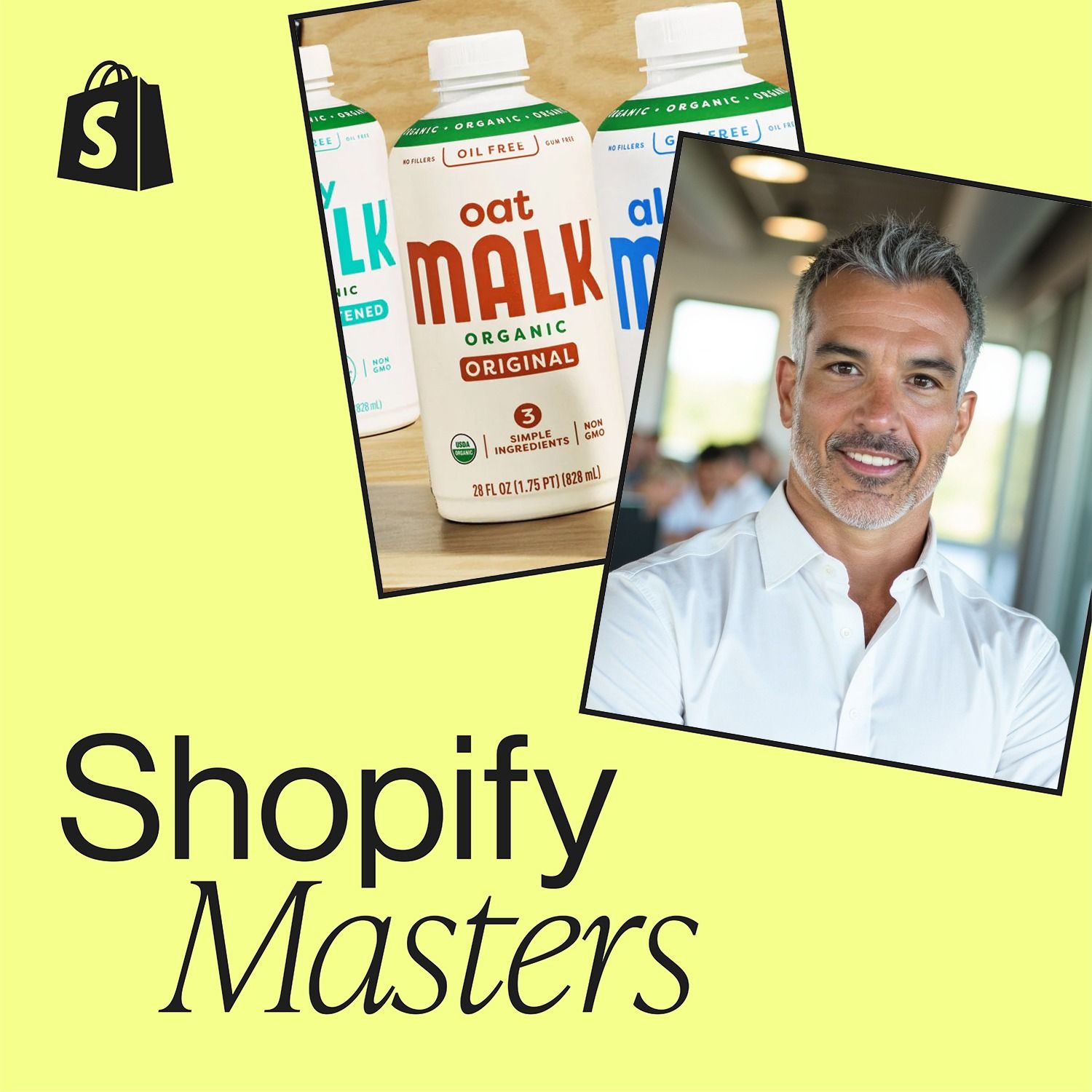
To create a brand that outlasts any individual, founder Nima Jalali avoids making his pro-snowboarder background the central marketing story. He believes a brand’s narrative should be bigger than one person's story to achieve true longevity, comparing it to how Apple markets the iPhone, not Steve Jobs.
Co-founder Brent Ridge personally staffed a small table at luxury retailer Henri Bendel for six straight weeks. This high-touch, in-person effort allowed him to tell his story directly, which attracted a buyer from Anthropologie and an editor from Vanity Fair, catapulting the brand's growth.
Coterie treats its physical retail presence not just as a sales channel, but as a marketing tool. A well-placed product block acts like a billboard, driving discovery and funneling 10-12% of new customers back to their primary D2C subscription business.

For premium brands like Coterie, the choice of retail partner is a branding decision. A retailer's reputation for quality reinforces the product's own values, while a poor retail environment like a messy shelf can actively dilute brand equity.
Founder Nima Jalali intentionally designed packaging, branding, and content to feel large and established from day one. This strategy attracted customers and premium retailers by projecting success long before the company achieved scale, bucking the trend of appearing like a scrappy startup.