Get your free personalized podcast brief
We scan new podcasts and send you the top 5 insights daily.
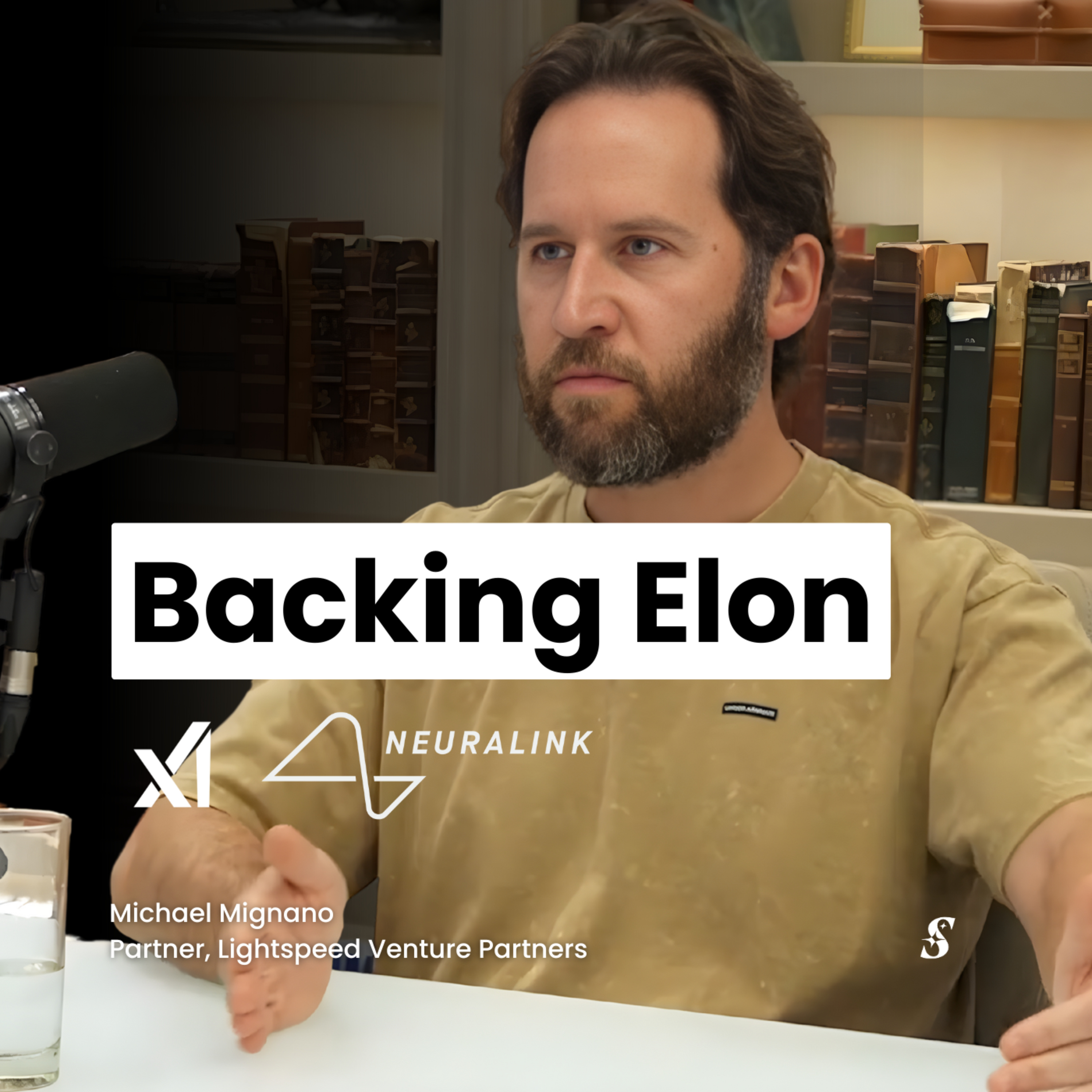
Contrary to expectations, the flood of AI-generated content doesn't dilute the success of top artists. In a sea of infinite choice, users rely more on algorithms, which tend to amplify the reach of already popular stars, making the biggest names more dominant than ever.
Related Insights
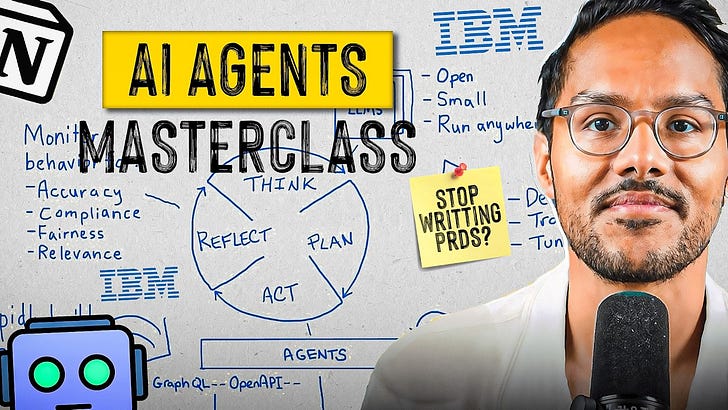
While AI tools once gave creators an edge, they now risk producing democratized, undifferentiated output. IBM's AI VP, who grew to 200k followers, now uses AI less. The new edge is spending more time on unique human thinking and using AI only for initial ideation, not final writing.
As AI tools enable millions of amateur creators to produce professional-quality content, platforms like YouTube and Spotify become less reliant on a small number of mainstream media giants. This diffusion of content creation shifts bargaining power away from traditional studios and labels to the platforms themselves.
The fear of AI in music isn't that it will replace human artists, but that it will drown them out. The real danger is AI-generated music flooding streaming playlists, making genuine discovery impossible. The ultimate risk is platforms like Spotify creating their own AI music and feeding it directly into their algorithms, effectively cutting human artists out of the ecosystem entirely.

As AI drives the cost of content creation to zero, the world floods with 'average' material. In this environment, the most valuable and scarce skill becomes 'taste'—the ability to identify, curate, and champion high-quality, commercially viable work. This elevates the role of human curators over pure creators.
![Ari Emanuel - The Anti-AI Bet - [Invest Like the Best, EP.448] thumbnail](https://megaphone.imgix.net/podcasts/c5910280-c4dd-11f0-94be-ab6a7a5865b0/image/1e5a2263eb62fcde200846919e24419a.jpg?ixlib=rails-4.3.1&max-w=3000&max-h=3000&fit=crop&auto=format,compress)
The value of a large, pre-existing audience is decreasing. Powerful platform algorithms are becoming so effective at identifying and distributing high-quality content that a new creator with great material can get significant reach without an established following. This levels the playing field and reduces the incumbent advantage.
The success of "Breaking Rust," an AI-generated artist, on a Billboard chart suggests market acceptance of non-human creativity. This indicates that for many listeners, enjoyment is decoupled from the creator's identity, challenging traditional notions of artistry and revealing that audiences may not care about a song's origin as long as they like it.
The influencer economy is facing its own disruption from AI. Brands will soon leverage completely fictional, AI-generated personalities for marketing, which is a natural evolution from human influencers taking brand deals away from traditional Hollywood celebrities.

Generative AI allows any marketer to quickly produce mediocre content. This saturation makes buyers more discerning and creates a significant opportunity for brands that invest in genuinely excellent, insightful content to stand out and build trust. Quality, not quantity, becomes the key differentiator.

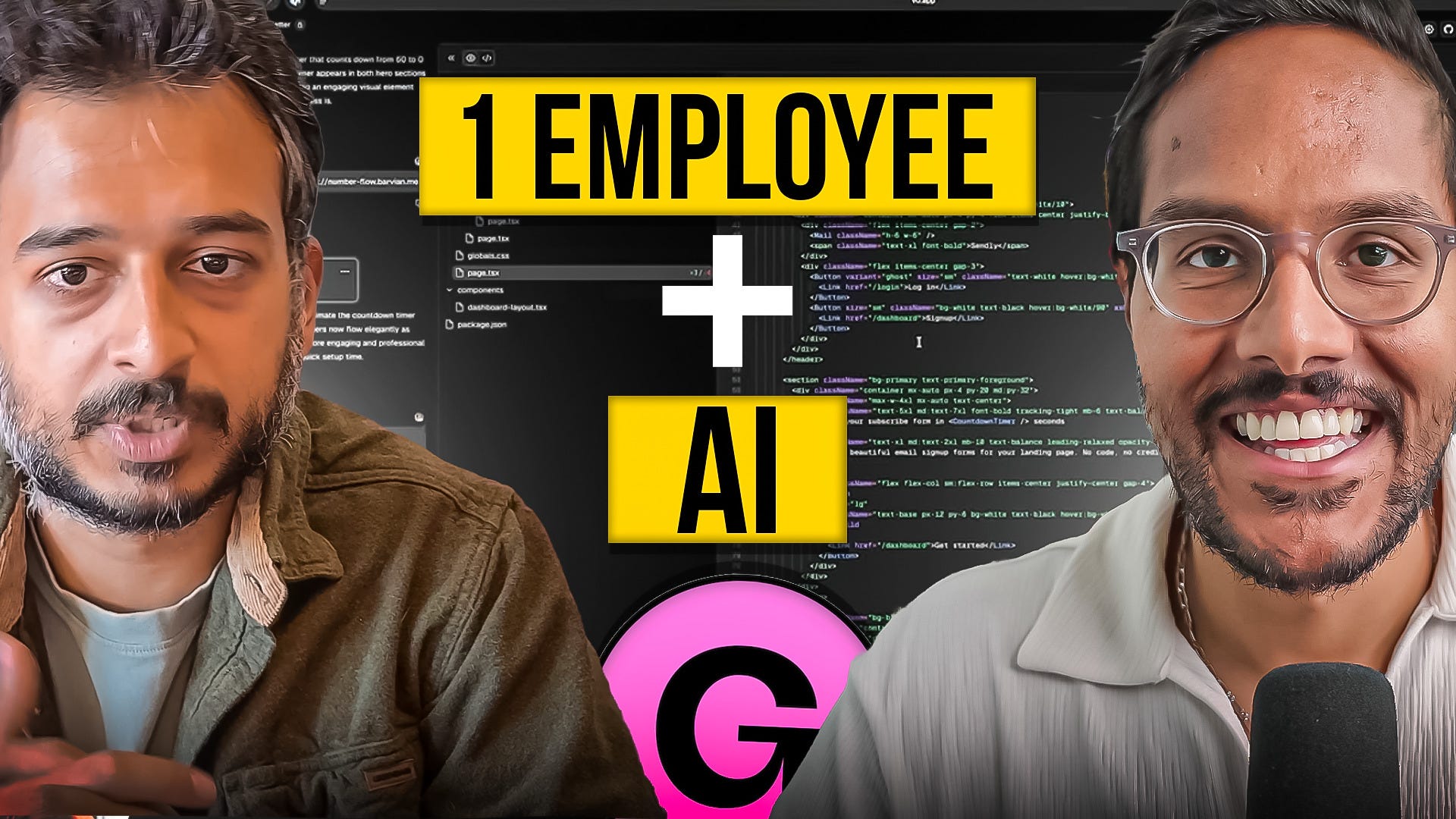
The founder of Stormy AI argues large influencers are in trouble because social algorithms no longer guarantee reach based on follower count. Viral potential is now decoupled from follower count, meaning a nano-influencer can achieve massive views. This makes them a more cost-effective and potent marketing channel for brands than established stars.

Platforms like Sora represent a new phase where content is generated on the fly, tailored to maximize individual user attention. This devalues the role of human creators, as platforms no longer depend on them to fill their content catalogs, fundamentally altering the media landscape.