Get your free personalized podcast brief
We scan new podcasts and send you the top 5 insights daily.
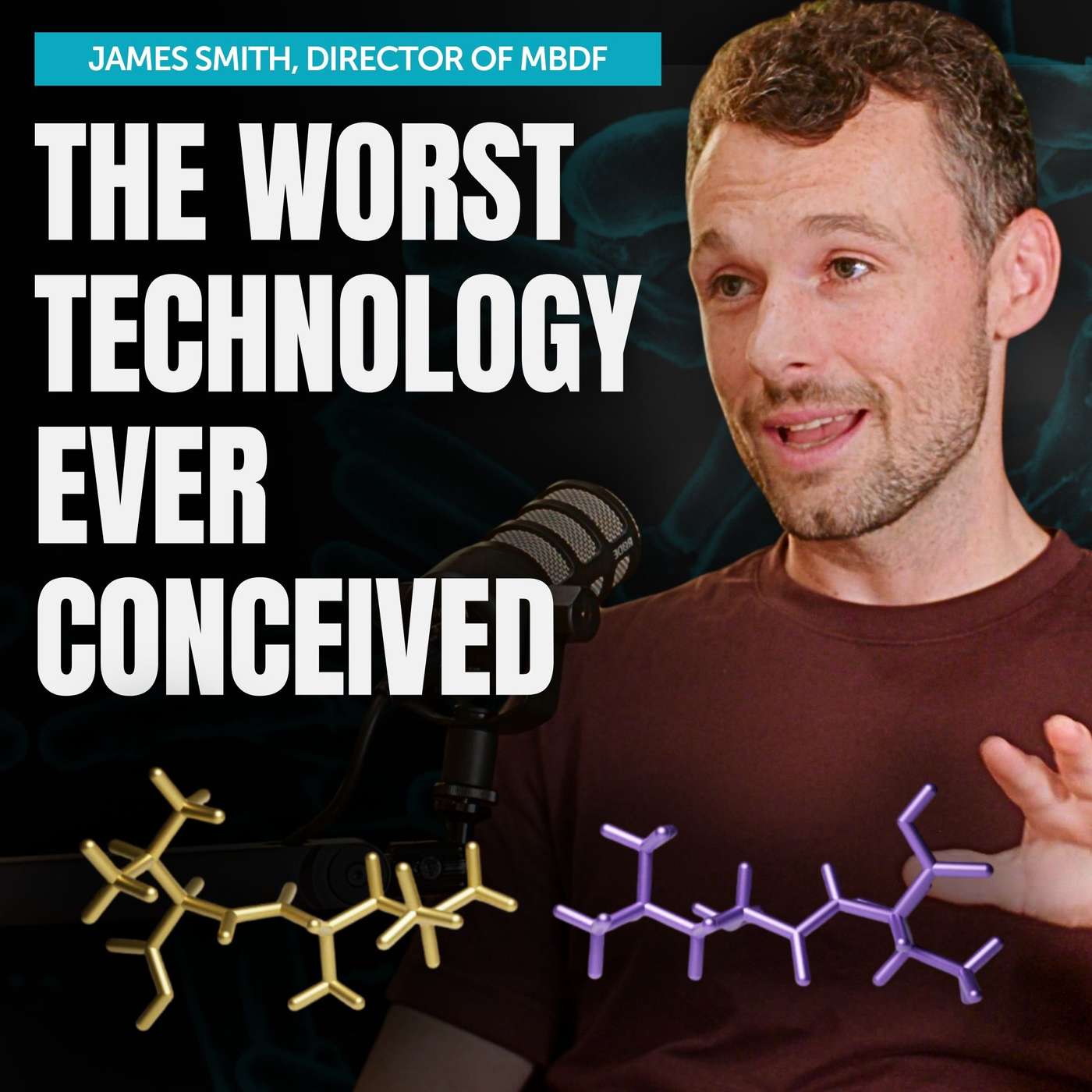
The very researchers who saw creating mirror life as a grand scientific challenge are now its staunchest opponents after analyzing the risks. This powerful example of scientific self-regulation saw pioneers of the field pivot from creation to prevention, forming an interdisciplinary group to warn the world.
Related Insights
The Environmental Modification Treaty successfully prohibited the weaponization of environmental forces before the technology was mature. This serves as a key historical precedent, demonstrating that global consensus can be reached to foreclose on dangerous technological paths well in advance of their creation.
The risk of mirror life is so new and neglected that an individual could plausibly become their country's leading policy expert on the topic within weeks or months. This presents a massive opportunity for outsized impact for those willing to enter a nascent but critically important field.
Society rarely bans powerful new technologies, no matter how dangerous. Instead, like with fire, we develop systems to manage risk (e.g., fire departments, alarms). This provides a historical lens for current debates around transformative technologies like AI, suggesting adaptation over prohibition.
Unlike typical pathogens, mirror bacteria would be immune to their natural predators like viruses (bacteriophages). This advantage could allow them to proliferate uncontrollably in soil and oceans, creating a permanent environmental reservoir for infection and potentially outcompeting essential natural microbes.
Initial public fear over new technologies like AI therapy, while seemingly negative, is actually productive. It creates the social and political pressure needed to establish essential safety guardrails and regulations, ultimately leading to safer long-term adoption.
Facing immense ethical questions about technologies like artificial wombs, Colossal doesn't wait for regulation. It establishes its own clear, public guardrails—such as refusing to work on humans or primates and tying every project back to conserving an existing endangered species.
Researchers can avoid the immense risk of creating mirror life for study. Instead, they can develop mirror-image countermeasures (like mirror antibodies) and test them against normal bacteria. If effective, the 'normal' version of that countermeasure would work against mirror life, allowing for safe R&D.
The belief that AI development is unstoppable ignores history. Global treaties successfully limited nuclear proliferation, phased out ozone-depleting CFCs, and banned blinding lasers. These precedents prove that coordinated international action can steer powerful technologies away from the worst outcomes.
Unlike AI or nuclear power, mirror life offers minimal foreseeable benefits but poses catastrophic risks. This lack of a strong commercial or economic driver makes it politically easier to build a global consensus for a moratorium or ban, as there are few powerful interests advocating for its development.
Other scientific fields operate under a "precautionary principle," avoiding experiments with even a small chance of catastrophic outcomes (e.g., creating dangerous new lifeforms). The AI industry, however, proceeds with what Bengio calls "crazy risks," ignoring this fundamental safety doctrine.
