Get your free personalized podcast brief
We scan new podcasts and send you the top 5 insights daily.
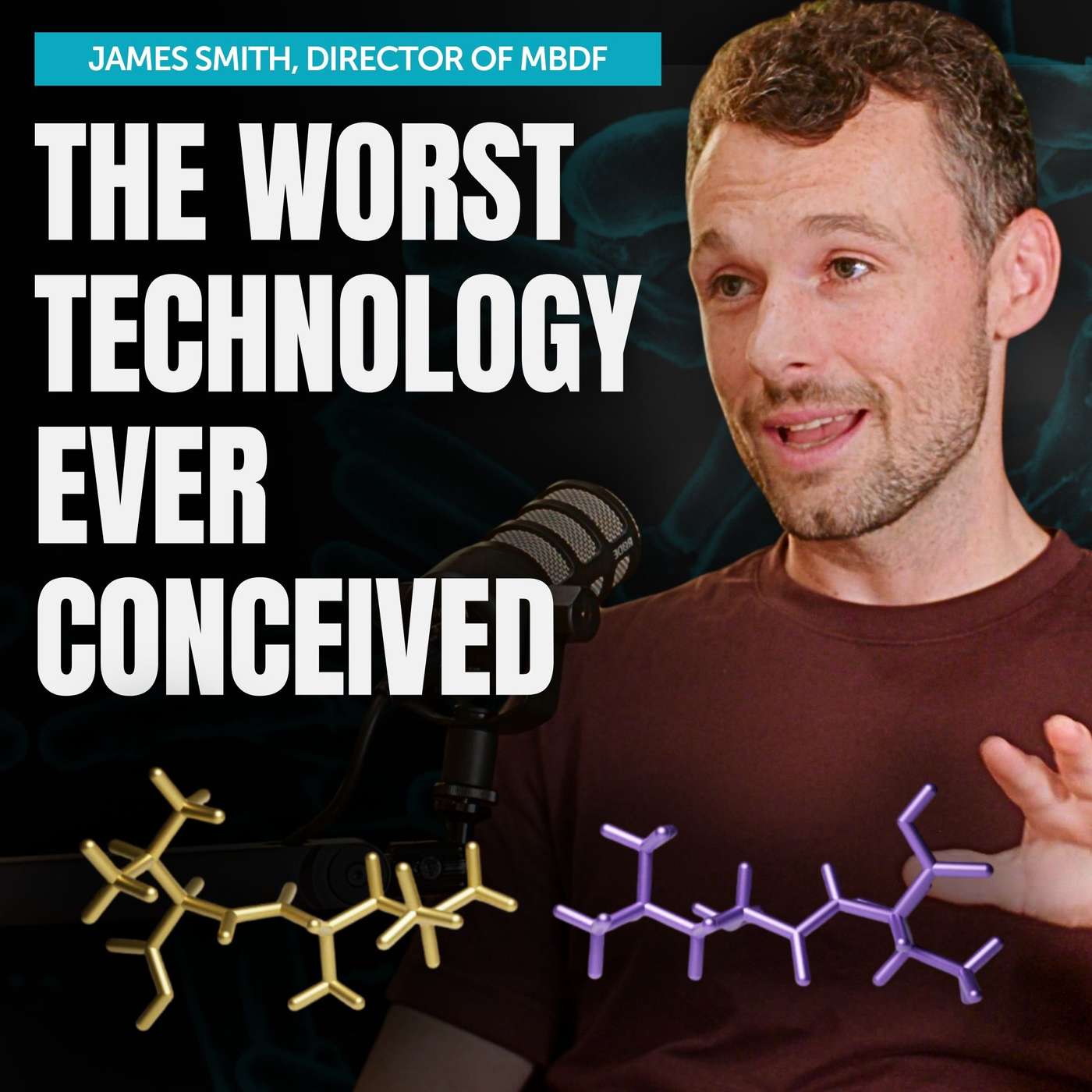
Unlike AI or nuclear power, mirror life offers minimal foreseeable benefits but poses catastrophic risks. This lack of a strong commercial or economic driver makes it politically easier to build a global consensus for a moratorium or ban, as there are few powerful interests advocating for its development.
Related Insights
The Environmental Modification Treaty successfully prohibited the weaponization of environmental forces before the technology was mature. This serves as a key historical precedent, demonstrating that global consensus can be reached to foreclose on dangerous technological paths well in advance of their creation.
The path to surviving superintelligence is political: a global pact to halt its development, mirroring Cold War nuclear strategy. Success hinges on all leaders understanding that anyone building it ensures their own personal destruction, removing any incentive to cheat.

The very researchers who saw creating mirror life as a grand scientific challenge are now its staunchest opponents after analyzing the risks. This powerful example of scientific self-regulation saw pioneers of the field pivot from creation to prevention, forming an interdisciplinary group to warn the world.
The discourse around AI risk has matured beyond sci-fi scenarios like Terminator. The focus is now on immediate, real-world problems such as AI-induced psychosis, the impact of AI romantic companions on birth rates, and the spread of misinformation, requiring a different approach from builders and policymakers.

Society rarely bans powerful new technologies, no matter how dangerous. Instead, like with fire, we develop systems to manage risk (e.g., fire departments, alarms). This provides a historical lens for current debates around transformative technologies like AI, suggesting adaptation over prohibition.
A ban on superintelligence is self-defeating because enforcement would require a sanctioned, global government body to build the very technology it prohibits in order to "prove it's safe." This paradoxically creates a state-controlled monopoly on the most powerful technology ever conceived, posing a greater risk than a competitive landscape.
Instead of trying to legally define and ban 'superintelligence,' a more practical approach is to prohibit specific, catastrophic outcomes like overthrowing the government. This shifts the burden of proof to AI developers, forcing them to demonstrate their systems cannot cause these predefined harms, sidestepping definitional debates.

The belief that AI development is unstoppable ignores history. Global treaties successfully limited nuclear proliferation, phased out ozone-depleting CFCs, and banned blinding lasers. These precedents prove that coordinated international action can steer powerful technologies away from the worst outcomes.

Other scientific fields operate under a "precautionary principle," avoiding experiments with even a small chance of catastrophic outcomes (e.g., creating dangerous new lifeforms). The AI industry, however, proceeds with what Bengio calls "crazy risks," ignoring this fundamental safety doctrine.

Creating mirror life from scratch is estimated to cost between $500 million and $1 billion. This high barrier to entry places it beyond the reach of small groups, meaning prevention and monitoring efforts can be focused on well-funded state-level programs or large corporations.